«
Central Coast
,
California

Sta. Rita Hills
Foggy Pinot Paradise
Prepare your windbreakers because this east-west transverse valley acts like a gigantic funnel for Pacific breezes. It creates an almost impossibly cool growing season where Pinot Noir and Chardonnay turn into concentrated, acidic masterpieces.
Prepare your windbreakers because this east-west transverse valley acts like a gigantic funnel for Pacific breezes. It creates an almost impossibly cool growing season where Pinot Noir and Chardonnay turn into concentrated, acidic masterpieces.
Prepare your windbreakers because this east-west transverse valley acts like a gigantic funnel for Pacific breezes. It creates an almost impossibly cool growing season where Pinot Noir and Chardonnay turn into concentrated, acidic masterpieces.





Taste profile
Electric Acidity
Saline Kick
Dark Cherry
Get ready for electric shocks to your palate. Salinity and razor-sharp acidity are the signatures here, thanks to that marine influence. Pinot Noir delivers intense dark cherry, cola, and blood orange notes with a structural grip that screams age-ability. Chardonnay leans towards lemon curd, crushed seashells, and a flinty backbone rather than the butter bombs found further inland. It is pure tension in a glass.
Get ready for electric shocks to your palate. Salinity and razor-sharp acidity are the signatures here, thanks to that marine influence. Pinot Noir delivers intense dark cherry, cola, and blood orange notes with a structural grip that screams age-ability. Chardonnay leans towards lemon curd, crushed seashells, and a flinty backbone rather than the butter bombs found further inland. It is pure tension in a glass.
Get ready for electric shocks to your palate. Salinity and razor-sharp acidity are the signatures here, thanks to that marine influence. Pinot Noir delivers intense dark cherry, cola, and blood orange notes with a structural grip that screams age-ability. Chardonnay leans towards lemon curd, crushed seashells, and a flinty backbone rather than the butter bombs found further inland. It is pure tension in a glass.
The vibe
Industrial Grit
Windy Hills
Pacific Chill
Don't expect a tropical vacation. This area is chilly, often gray, and ruthlessly windy. While the vineyards are scenic rolling hills covered in white diatomaceous earth, much of the actual winemaking happens in the Lompoc Wine Ghetto - a collection of industrial warehouses that house some of the world's most exciting brands. It is gritty, authentic, and entirely focused on what ends up in the bottle.
Don't expect a tropical vacation. This area is chilly, often gray, and ruthlessly windy. While the vineyards are scenic rolling hills covered in white diatomaceous earth, much of the actual winemaking happens in the Lompoc Wine Ghetto - a collection of industrial warehouses that house some of the world's most exciting brands. It is gritty, authentic, and entirely focused on what ends up in the bottle.
Don't expect a tropical vacation. This area is chilly, often gray, and ruthlessly windy. While the vineyards are scenic rolling hills covered in white diatomaceous earth, much of the actual winemaking happens in the Lompoc Wine Ghetto - a collection of industrial warehouses that house some of the world's most exciting brands. It is gritty, authentic, and entirely focused on what ends up in the bottle.
Who's who
Cult Icons
Warehouse Rebels
Historic Pioneers
Sanford and Benedict started the revolution, but the roster now reads like a hall of fame. Cult labels like Sea Smoke and Domaine de la Côte demand high prices and waitlists. Brewer-Clifton and Melville define the textural style of the region. Keep an eye on the warehouse warriors in Lompoc who are scraping by to buy fruit from prestigious sites like Sanford & Benedict to make their name.
Sanford and Benedict started the revolution, but the roster now reads like a hall of fame. Cult labels like Sea Smoke and Domaine de la Côte demand high prices and waitlists. Brewer-Clifton and Melville define the textural style of the region. Keep an eye on the warehouse warriors in Lompoc who are scraping by to buy fruit from prestigious sites like Sanford & Benedict to make their name.
Sanford and Benedict started the revolution, but the roster now reads like a hall of fame. Cult labels like Sea Smoke and Domaine de la Côte demand high prices and waitlists. Brewer-Clifton and Melville define the textural style of the region. Keep an eye on the warehouse warriors in Lompoc who are scraping by to buy fruit from prestigious sites like Sanford & Benedict to make their name.
LOCAL TALES
The Men Who Saw Sideways
The Men Who Saw Sideways
The Men Who Saw Sideways
Back in 1971, Vietnam vet Richard Sanford and botanist Michael Benedict were looking for the perfect place to grow Burgundy varieties. They found a weird spot where the hills ran sideways. Conventional wisdom said it was too cold for farming, but the duo ignored the naysayers. They planted the Sanford & Benedict vineyard, and the first vintage shocked the establishment. It wasn't just good—it was world-class. Their gamble proved California could produce Pinot Noir with elegance and nerve, kicking off a land rush that transformed these windy hills into a prestigious American wine zip code.
Back in 1971, Vietnam vet Richard Sanford and botanist Michael Benedict were looking for the perfect place to grow Burgundy varieties. They found a weird spot where the hills ran sideways. Conventional wisdom said it was too cold for farming, but the duo ignored the naysayers. They planted the Sanford & Benedict vineyard, and the first vintage shocked the establishment. It wasn't just good—it was world-class. Their gamble proved California could produce Pinot Noir with elegance and nerve, kicking off a land rush that transformed these windy hills into a prestigious American wine zip code.
Geological Tantrums
Geological Tantrums
Geological Tantrums
Most mountain ranges on the West Coast run north to south, acting like a wall against the ocean. But here, a geological tantrum millions of years ago twisted the mountains to run east to west. This creates a literal vacuum effect. Every day, fog and cold air get sucked in from the Pacific Ocean, rushing through the vines like natural air conditioning. It essentially refrigerates the fruit, allowing it to ripen slowly while keeping acidity sky-high. If you visit, bring a jacket in July. The vines might love the shivering cold mornings and constant gale-force winds, but tourists in shorts usually end up buying expensive sweatshirts just to survive the tasting room patio.
Most mountain ranges on the West Coast run north to south, acting like a wall against the ocean. But here, a geological tantrum millions of years ago twisted the mountains to run east to west. This creates a literal vacuum effect. Every day, fog and cold air get sucked in from the Pacific Ocean, rushing through the vines like natural air conditioning. It essentially refrigerates the fruit, allowing it to ripen slowly while keeping acidity sky-high. If you visit, bring a jacket in July. The vines might love the shivering cold mornings and constant gale-force winds, but tourists in shorts usually end up buying expensive sweatshirts just to survive the tasting room patio.
Ghetto Greatness
Ghetto Greatness
Ghetto Greatness
While the vineyards look like pastoral dreams, the beating heart of the local production scene is surprisingly gritty. Locals call it the Lompoc Wine Ghetto, and it is exactly what it sounds like - a cluster of nondescript metal industrial sheds behind a Home Depot. It lacks chateaus, fountains, or ivy-covered walls. Instead, you find roll-up garage doors and forklifts driven by guys with purple-stained hands. This is where the magic happens for many small producers who can't afford a ten-million-dollar estate. It is the ultimate incubator for talent, where the lack of pretension forces the wine to speak for itself. Some of the highest-scoring bottles in the country come out of these tin sheds.
While the vineyards look like pastoral dreams, the beating heart of the local production scene is surprisingly gritty. Locals call it the Lompoc Wine Ghetto, and it is exactly what it sounds like - a cluster of nondescript metal industrial sheds behind a Home Depot. It lacks chateaus, fountains, or ivy-covered walls. Instead, you find roll-up garage doors and forklifts driven by guys with purple-stained hands. This is where the magic happens for many small producers who can't afford a ten-million-dollar estate. It is the ultimate incubator for talent, where the lack of pretension forces the wine to speak for itself. Some of the highest-scoring bottles in the country come out of these tin sheds.
LOCAL WINE STYLES
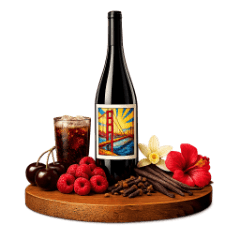
Californian Pinot Noir
Imagine a high-maintenance movie star who actually delivers an Oscar-winning performance every time. Pinot Noir thrives in the cool pockets of the Golden State, offering a luscious mix of ripe berries and cola spice that is completely irresistible.
Imagine a high-maintenance movie star who actually delivers an Oscar-winning performance every time. Pinot Noir thrives in the cool pockets of the Golden State, offering a luscious mix of ripe berries and cola spice that is completely irresistible.
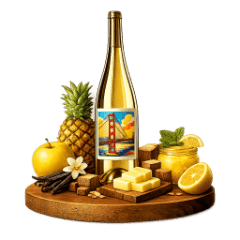
Californian Chardonnay
Imagine movie theater popcorn met a tropical fruit salad in a very expensive barrel. This style is rich, creamy, and unapologetically bold, practically demanding you sit down and pay attention to its voluptuous texture.
Imagine movie theater popcorn met a tropical fruit salad in a very expensive barrel. This style is rich, creamy, and unapologetically bold, practically demanding you sit down and pay attention to its voluptuous texture.
LATEST REVIEWS