«
Columbia Valley
,
Washington State

Snipes Mountain
Washington's Old Soul
This tiny viticultural gem might be small in stature, but it punches way above its weight class with some of the state's oldest plantings. It is basically a living museum of viticultural history hiding in plain sight.
This tiny viticultural gem might be small in stature, but it punches way above its weight class with some of the state's oldest plantings. It is basically a living museum of viticultural history hiding in plain sight.
This tiny viticultural gem might be small in stature, but it punches way above its weight class with some of the state's oldest plantings. It is basically a living museum of viticultural history hiding in plain sight.
Taste profile
Concentrated fruit
Earthy muscle
Old depth
You are diving into a world of intense concentration here. Thanks to those rugged, ancient river rocks, Cabernet Sauvignon comes out swinging with dark cherry muscle and earthy swagger. Muscat offers a surprisingly floral and complex sip that defies the sugary stereotypes. It is all about structural integrity and concentrated fruit that feels like it has been lifting weights in the hot desert sun.
You are diving into a world of intense concentration here. Thanks to those rugged, ancient river rocks, Cabernet Sauvignon comes out swinging with dark cherry muscle and earthy swagger. Muscat offers a surprisingly floral and complex sip that defies the sugary stereotypes. It is all about structural integrity and concentrated fruit that feels like it has been lifting weights in the hot desert sun.
You are diving into a world of intense concentration here. Thanks to those rugged, ancient river rocks, Cabernet Sauvignon comes out swinging with dark cherry muscle and earthy swagger. Muscat offers a surprisingly floral and complex sip that defies the sugary stereotypes. It is all about structural integrity and concentrated fruit that feels like it has been lifting weights in the hot desert sun.
The vibe
Ancient geology
Quietly rugged
Flood survivor
Imagine a geological island that survived massive prehistoric floods. It feels rugged, slightly isolated, and incredibly authentic. You won't find flashy tasting rooms on every corner here - instead, you get a sense of deep agricultural roots and a landscape that looks like a gravel pit designed by Mother Nature. It is quiet, sun-drenched, and feels significantly older than the dirt surrounding it.
Imagine a geological island that survived massive prehistoric floods. It feels rugged, slightly isolated, and incredibly authentic. You won't find flashy tasting rooms on every corner here - instead, you get a sense of deep agricultural roots and a landscape that looks like a gravel pit designed by Mother Nature. It is quiet, sun-drenched, and feels significantly older than the dirt surrounding it.
Imagine a geological island that survived massive prehistoric floods. It feels rugged, slightly isolated, and incredibly authentic. You won't find flashy tasting rooms on every corner here - instead, you get a sense of deep agricultural roots and a landscape that looks like a gravel pit designed by Mother Nature. It is quiet, sun-drenched, and feels significantly older than the dirt surrounding it.
Who's who
Upland Vineyards
Fruit growers
Historic farmers
Upland Vineyards is the undisputed king of this hill, controlling the vast majority of the acreage and farming plants that date back to 1917. Many other prestigious producers across the state source fruit from here to add backbone to their blends. It is less about a laundry list of wineries and more about one major guardian of the harvest keeping the legacy alive.
Upland Vineyards is the undisputed king of this hill, controlling the vast majority of the acreage and farming plants that date back to 1917. Many other prestigious producers across the state source fruit from here to add backbone to their blends. It is less about a laundry list of wineries and more about one major guardian of the harvest keeping the legacy alive.
Upland Vineyards is the undisputed king of this hill, controlling the vast majority of the acreage and farming plants that date back to 1917. Many other prestigious producers across the state source fruit from here to add backbone to their blends. It is less about a laundry list of wineries and more about one major guardian of the harvest keeping the legacy alive.
LOCAL TALES
The Cattle King's Castle
The Cattle King's Castle
The Cattle King's Castle
Before viticulture ever touched this soil, a fellow named Ben Snipes used this elevated ridge for a very different purpose. Starting in the late 1850s, the future Northwest Cattle King needed a safe spot to keep his growing herds during cattle drives. He built a house right at the base of the mountain and used the elevation to spot strays and keep an eye on his empire. He eventually moved on to banking - and lost his shirt in a robbery - but his name stuck to the mountain. While Ben was wrangling cows, he probably didn't guess that these rocky slopes would eventually be more famous for fermentation than livestock.
Before viticulture ever touched this soil, a fellow named Ben Snipes used this elevated ridge for a very different purpose. Starting in the late 1850s, the future Northwest Cattle King needed a safe spot to keep his growing herds during cattle drives. He built a house right at the base of the mountain and used the elevation to spot strays and keep an eye on his empire. He eventually moved on to banking - and lost his shirt in a robbery - but his name stuck to the mountain. While Ben was wrangling cows, he probably didn't guess that these rocky slopes would eventually be more famous for fermentation than livestock.
Survivors of the Century
Survivors of the Century
Survivors of the Century
Most people think Washington wine history started in the 1970s, but Snipes Mountain laughs at that timeline. Way back in 1917, a visionary named W.B. Bridgman planted Muscat of Alexandria on these slopes. Here is the kicker - those gnarly, thick-trunked legends are still producing fruit today. They are officially the oldest commercially producing plantings in the entire state. While Prohibition wiped out most other vineyards, these survivors kept clinging to the rocky soil. Drinking a glass from this fruit isn't just a beverage choice - it is literally sipping on a liquid time capsule that predates the roaring twenties. It is history you can actually taste.
Most people think Washington wine history started in the 1970s, but Snipes Mountain laughs at that timeline. Way back in 1917, a visionary named W.B. Bridgman planted Muscat of Alexandria on these slopes. Here is the kicker - those gnarly, thick-trunked legends are still producing fruit today. They are officially the oldest commercially producing plantings in the entire state. While Prohibition wiped out most other vineyards, these survivors kept clinging to the rocky soil. Drinking a glass from this fruit isn't just a beverage choice - it is literally sipping on a liquid time capsule that predates the roaring twenties. It is history you can actually taste.
The Island That Stood Still
The Island That Stood Still
The Island That Stood Still
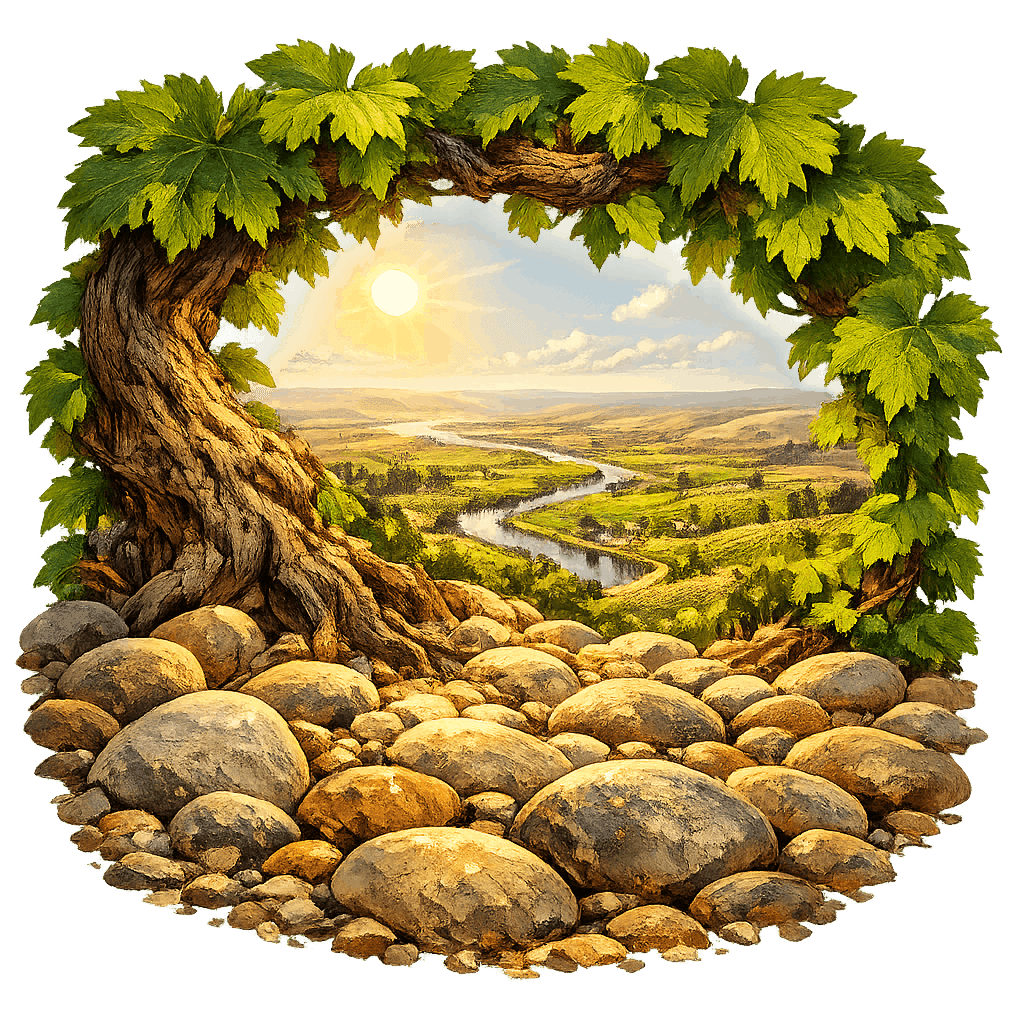
Geography nerds, gather round. This sub-region is basically a geological miracle that stood its ground against the apocalypse. During the last Ice Age, the Missoula Floods unleashed a wall of water - we are talking 400 feet high - tearing through the valley. While everything else got scoured or buried in silt, Snipes Mountain stood tall as an island in the chaos. This elevation saved its ancient conglomerate soils, which are basically river rocks cemented together from the ancestral Columbia River. That creates a stress-inducing environment for Cabernet Sauvignon, forcing roots to dig deep for survival. The result is wine with a distinctive mineral backbone that flatland areas just can't replicate.
Geography nerds, gather round. This sub-region is basically a geological miracle that stood its ground against the apocalypse. During the last Ice Age, the Missoula Floods unleashed a wall of water - we are talking 400 feet high - tearing through the valley. While everything else got scoured or buried in silt, Snipes Mountain stood tall as an island in the chaos. This elevation saved its ancient conglomerate soils, which are basically river rocks cemented together from the ancestral Columbia River. That creates a stress-inducing environment for Cabernet Sauvignon, forcing roots to dig deep for survival. The result is wine with a distinctive mineral backbone that flatland areas just can't replicate.
LOCAL WINE STYLES
Washington Merlot
While California made Merlot famous (and then infamous), the Pacific Northwest perfected the balance. Think of this as the goldilocks zone where massive fruit meets serious structure, proving that Sideways got it completely wrong about this noble contender.
While California made Merlot famous (and then infamous), the Pacific Northwest perfected the balance. Think of this as the goldilocks zone where massive fruit meets serious structure, proving that Sideways got it completely wrong about this noble contender.
Washington Syrah
Sitting right between the jamminess of California and the meaty funk of the Northern Rhône, these wines offer a stunning balance. Expect dark fruit layers mixed with unexpected savory notes that will absolutely knock your socks off.
Sitting right between the jamminess of California and the meaty funk of the Northern Rhône, these wines offer a stunning balance. Expect dark fruit layers mixed with unexpected savory notes that will absolutely knock your socks off.
LATEST REVIEWS