«
Nahe
,
Germany

Schlossböckelheim
Volcanic Rock Royalty
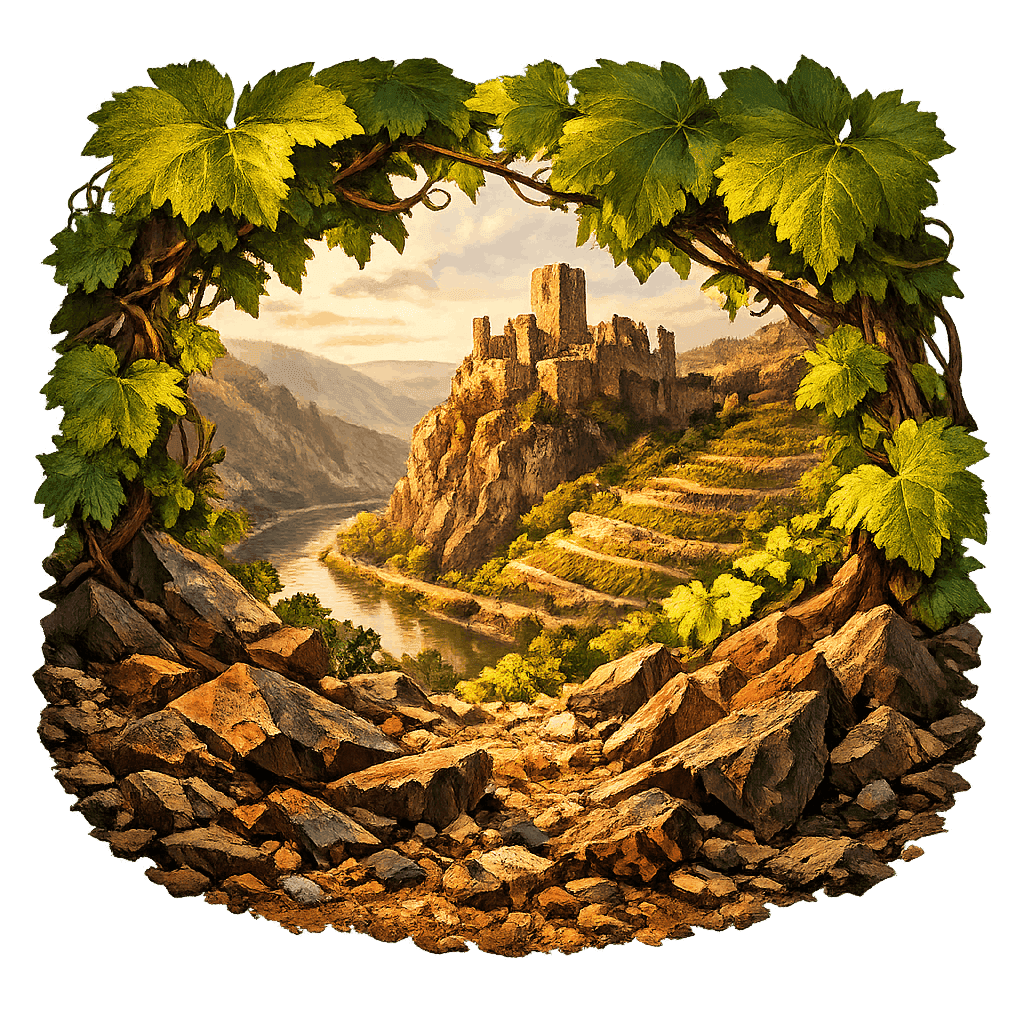
If wine had a heavy metal phase, this would be it. Deep in the Nahe valley, ancient volcanic activity created a playground where vines cling to steep, jagged cliffs to produce intense, smoky perfection.
If wine had a heavy metal phase, this would be it. Deep in the Nahe valley, ancient volcanic activity created a playground where vines cling to steep, jagged cliffs to produce intense, smoky perfection.
If wine had a heavy metal phase, this would be it. Deep in the Nahe valley, ancient volcanic activity created a playground where vines cling to steep, jagged cliffs to produce intense, smoky perfection.
LEADERS


Taste profile
Smoky citrus
Crushed rocks
High tension
Prepare your palate for a geology lesson you can actually drink. Because these slopes are basically solidified lava, the wines taste like crushed stones dipped in lime juice. You get distinct smokiness mixed with wild herbs and piercing citrus. It is intense stuff that often needs a few years in the cellar to calm down, but once it mellows, you are drinking liquid gold with a flinty kick.
Prepare your palate for a geology lesson you can actually drink. Because these slopes are basically solidified lava, the wines taste like crushed stones dipped in lime juice. You get distinct smokiness mixed with wild herbs and piercing citrus. It is intense stuff that often needs a few years in the cellar to calm down, but once it mellows, you are drinking liquid gold with a flinty kick.
Prepare your palate for a geology lesson you can actually drink. Because these slopes are basically solidified lava, the wines taste like crushed stones dipped in lime juice. You get distinct smokiness mixed with wild herbs and piercing citrus. It is intense stuff that often needs a few years in the cellar to calm down, but once it mellows, you are drinking liquid gold with a flinty kick.
The vibe
Vertigo inducing
Volcanic drama
Steep slopes
Standing here feels a bit like teetering on the edge of the world. The Kupfergrube vineyard looks more like a grand canyon wall than a farm, complete with terraced rows that make vertigo a real possibility. It is quiet, dramatic, and majestic. Winemakers here are part mountaineer, scrambling up porphyry rock faces to tend their precious crop. This isn't a casual stroll - it is extreme viticulture.
Standing here feels a bit like teetering on the edge of the world. The Kupfergrube vineyard looks more like a grand canyon wall than a farm, complete with terraced rows that make vertigo a real possibility. It is quiet, dramatic, and majestic. Winemakers here are part mountaineer, scrambling up porphyry rock faces to tend their precious crop. This isn't a casual stroll - it is extreme viticulture.
Standing here feels a bit like teetering on the edge of the world. The Kupfergrube vineyard looks more like a grand canyon wall than a farm, complete with terraced rows that make vertigo a real possibility. It is quiet, dramatic, and majestic. Winemakers here are part mountaineer, scrambling up porphyry rock faces to tend their precious crop. This isn't a casual stroll - it is extreme viticulture.
Who's who
Gut Hermannsberg
Schäfer-Fröhlich
Dönnhoff legend
Gut Hermannsberg is the big historic player, owning massive chunks of the top sites and making wines that last forever. Then you have the rockstar Schäfer-Fröhlich, whose "Felsenberg" bottlings are cult favorites. Of course, the legendary Dönnhoff family has plots here too, crafting elegance from the brute stone. Keep an eye on younger talents rediscovering old parcels, as this village is prime real estate for ambitious vintners.
Gut Hermannsberg is the big historic player, owning massive chunks of the top sites and making wines that last forever. Then you have the rockstar Schäfer-Fröhlich, whose "Felsenberg" bottlings are cult favorites. Of course, the legendary Dönnhoff family has plots here too, crafting elegance from the brute stone. Keep an eye on younger talents rediscovering old parcels, as this village is prime real estate for ambitious vintners.
Gut Hermannsberg is the big historic player, owning massive chunks of the top sites and making wines that last forever. Then you have the rockstar Schäfer-Fröhlich, whose "Felsenberg" bottlings are cult favorites. Of course, the legendary Dönnhoff family has plots here too, crafting elegance from the brute stone. Keep an eye on younger talents rediscovering old parcels, as this village is prime real estate for ambitious vintners.
LOCAL TALES
Convicts and Copper Mines
Convicts and Copper Mines
Convicts and Copper Mines
Back in the early 1900s, the Prussian state decided they needed a model vineyard to show off German engineering and viticulture. They looked at a steep, rocky heap of volcanic rubble that used to be a copper mine and said, "Perfect." There was just one problem - it wasn't exactly farmable. So, they utilized convict labor to literally carve terraces out of the mountain. These prisoners moved tons of earth and stone by hand to create the Kupfergrube. It took nearly two decades of backbreaking work to transform a pile of mining slag into one of the most prestigious Riesling sites on the planet. Today, that blood, sweat, and stone yield wines of incredible longevity.
Back in the early 1900s, the Prussian state decided they needed a model vineyard to show off German engineering and viticulture. They looked at a steep, rocky heap of volcanic rubble that used to be a copper mine and said, "Perfect." There was just one problem - it wasn't exactly farmable. So, they utilized convict labor to literally carve terraces out of the mountain. These prisoners moved tons of earth and stone by hand to create the Kupfergrube. It took nearly two decades of backbreaking work to transform a pile of mining slag into one of the most prestigious Riesling sites on the planet. Today, that blood, sweat, and stone yield wines of incredible longevity.
Nature's Central Heating
Nature's Central Heating
Nature's Central Heating
You might hear locals tossing around the word "porphyry" like it is common slang. It is actually the secret sauce of this village. This dark, reddish volcanic rock absorbs heat during the day like a sponge. When the sun goes down and the valley gets chilly, those rocks act like little radiators, keeping the vines cozy through the cold nights. This thermal regulation is crucial for ripening Riesling in such a cool northern climate. It is nature's own central heating system. The result is a wine that balances ripe fruit flavors with that razor-sharp acidity everyone craves. It proves that sometimes, being a little hot-headed is actually a good thing for quality.
You might hear locals tossing around the word "porphyry" like it is common slang. It is actually the secret sauce of this village. This dark, reddish volcanic rock absorbs heat during the day like a sponge. When the sun goes down and the valley gets chilly, those rocks act like little radiators, keeping the vines cozy through the cold nights. This thermal regulation is crucial for ripening Riesling in such a cool northern climate. It is nature's own central heating system. The result is a wine that balances ripe fruit flavors with that razor-sharp acidity everyone craves. It proves that sometimes, being a little hot-headed is actually a good thing for quality.
The Tiny Tower
The Tiny Tower
The Tiny Tower
If you look up at the famous Felsenberg vineyard, you will spot a tiny little tower perched among the vines. It looks like a miniature castle turret. Known as the Felsentürmchen, this little structure has become the unofficial mascot of the region. It was originally built just for shelter and perhaps a scenic lunch spot for the workers, but now it graces the labels of some very expensive bottles. It serves as a reminder that this wild, rugged landscape has been tamed by human hands for centuries. Hiking up to it offers a view that explains exactly why the wines taste so grand. Just don't drop your glass - it is a long way down.
If you look up at the famous Felsenberg vineyard, you will spot a tiny little tower perched among the vines. It looks like a miniature castle turret. Known as the Felsentürmchen, this little structure has become the unofficial mascot of the region. It was originally built just for shelter and perhaps a scenic lunch spot for the workers, but now it graces the labels of some very expensive bottles. It serves as a reminder that this wild, rugged landscape has been tamed by human hands for centuries. Hiking up to it offers a view that explains exactly why the wines taste so grand. Just don't drop your glass - it is a long way down.
LOCAL WINE STYLES
German Riesling
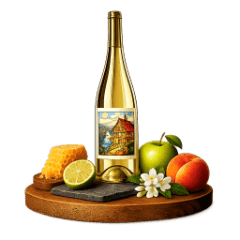
Imagine biting into a crisp green apple while sliding down a slate mountain. This style balances razor-sharp acidity with varying levels of sweetness, creating a tension that vibrates on your tongue like a plucked guitar string.
Imagine biting into a crisp green apple while sliding down a slate mountain. This style balances razor-sharp acidity with varying levels of sweetness, creating a tension that vibrates on your tongue like a plucked guitar string.
German Dornfelder
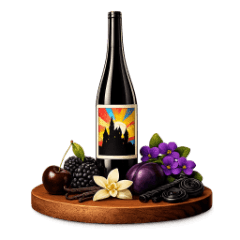
Created to add color to pale reds, Dornfelder accidentally became a superstar solo act. It is deep, dark, and incredibly fruity, offering a velvety texture that feels like a hug in a glass without the heavy tannin bite.
Created to add color to pale reds, Dornfelder accidentally became a superstar solo act. It is deep, dark, and incredibly fruity, offering a velvety texture that feels like a hug in a glass without the heavy tannin bite.
LATEST REVIEWS