«
Loire Valley
,
France
Saumur-Champigny
Fiery Franc Fields
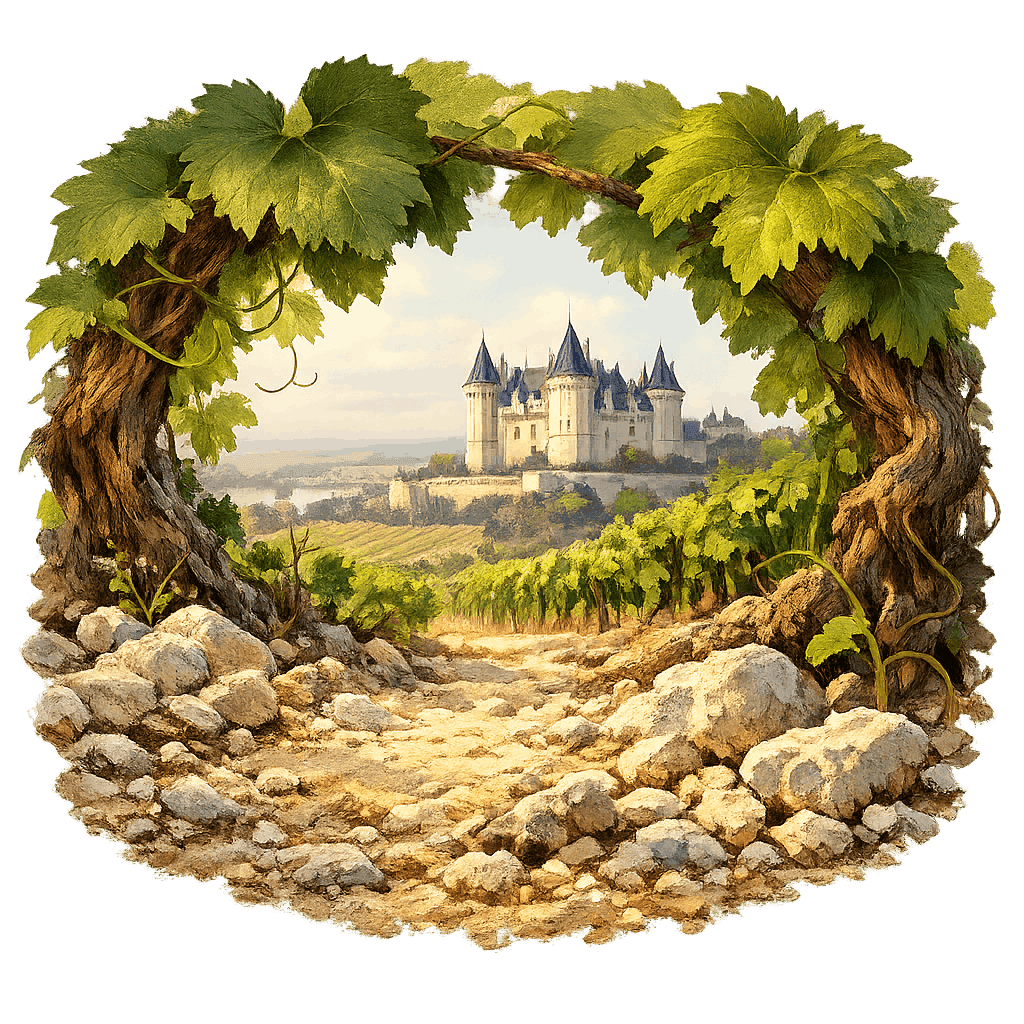
Sitting atop a limestone plateau, this appellation is the red wine engine of the area. It produces Cabernet Franc that ranges from thirsty bistro guzzlers to profound, world-class bottles that challenge the best Bordeaux.
Sitting atop a limestone plateau, this appellation is the red wine engine of the area. It produces Cabernet Franc that ranges from thirsty bistro guzzlers to profound, world-class bottles that challenge the best Bordeaux.
Sitting atop a limestone plateau, this appellation is the red wine engine of the area. It produces Cabernet Franc that ranges from thirsty bistro guzzlers to profound, world-class bottles that challenge the best Bordeaux.
Taste profile
Juicy Raspberry
Chalky Grip
Violet Floral
You are in for a treat with Cabernet Franc here. Expect a basket of fresh raspberries and violets in the lighter styles, often called glou-glou by hipsters. Conversely, the serious cuvées bring dark cherry, graphite, and a chalky grip that demands a steak. Winemakers love keeping things fresh, avoiding heavy oak to let that famous limestone minerality shine through the fruit without feeling heavy.
You are in for a treat with Cabernet Franc here. Expect a basket of fresh raspberries and violets in the lighter styles, often called glou-glou by hipsters. Conversely, the serious cuvées bring dark cherry, graphite, and a chalky grip that demands a steak. Winemakers love keeping things fresh, avoiding heavy oak to let that famous limestone minerality shine through the fruit without feeling heavy.
You are in for a treat with Cabernet Franc here. Expect a basket of fresh raspberries and violets in the lighter styles, often called glou-glou by hipsters. Conversely, the serious cuvées bring dark cherry, graphite, and a chalky grip that demands a steak. Winemakers love keeping things fresh, avoiding heavy oak to let that famous limestone minerality shine through the fruit without feeling heavy.
The vibe
Warm Plateau
Yellow Rock
Sunny Spirit
This spot gets hotter than its neighbors, historically known as a field of fire. It is a limestone plateau where vines dig deep into the white rock. You will find a mix of humble farming energy and high-end ambition. Locals are proud of their distinct microclimate which allows Cabernet Franc to fully ripen even when other parts of the valley are struggling with green peppers.
This spot gets hotter than its neighbors, historically known as a field of fire. It is a limestone plateau where vines dig deep into the white rock. You will find a mix of humble farming energy and high-end ambition. Locals are proud of their distinct microclimate which allows Cabernet Franc to fully ripen even when other parts of the valley are struggling with green peppers.
This spot gets hotter than its neighbors, historically known as a field of fire. It is a limestone plateau where vines dig deep into the white rock. You will find a mix of humble farming energy and high-end ambition. Locals are proud of their distinct microclimate which allows Cabernet Franc to fully ripen even when other parts of the valley are struggling with green peppers.
Who's who
Cult Icons
Biodynamic Wizards
Rising Stars
Everyone looks up to the legendary Foucault brothers of Clos Rougeard who put this map on the global stage, though prices are now astronomical. For more accessible brilliance, check out Thierry Germain at Domaine des Roches Neuves who makes biodynamic magic. Antoine Sanzay is the rising star turning heads, while Château de Villeneuve remains a reliable classic for those wanting bang for their buck.
Everyone looks up to the legendary Foucault brothers of Clos Rougeard who put this map on the global stage, though prices are now astronomical. For more accessible brilliance, check out Thierry Germain at Domaine des Roches Neuves who makes biodynamic magic. Antoine Sanzay is the rising star turning heads, while Château de Villeneuve remains a reliable classic for those wanting bang for their buck.
Everyone looks up to the legendary Foucault brothers of Clos Rougeard who put this map on the global stage, though prices are now astronomical. For more accessible brilliance, check out Thierry Germain at Domaine des Roches Neuves who makes biodynamic magic. Antoine Sanzay is the rising star turning heads, while Château de Villeneuve remains a reliable classic for those wanting bang for their buck.
LOCAL TALES
Field of Fire
Field of Fire
Field of Fire
Let's talk about Latin roots because they actually matter here. The name Champigny isn't just a fancy French sound - it comes from Campus Ignis, meaning Field of Fire. Back in the day, folks noticed this particular plateau got noticeably hotter and drier than the surrounding areas during summer. That extra heat is exactly what Cabernet Franc needs to ditch those grassy, green bell pepper notes that plague cooler spots. While the underground tunnels are chilly, the surface is baking. It is this unique microclimate that allows the fruit to get ripe, juicy, and spicy, proving that ancient Romans knew a thing or two about terroir before it was cool.
Let's talk about Latin roots because they actually matter here. The name Champigny isn't just a fancy French sound - it comes from Campus Ignis, meaning Field of Fire. Back in the day, folks noticed this particular plateau got noticeably hotter and drier than the surrounding areas during summer. That extra heat is exactly what Cabernet Franc needs to ditch those grassy, green bell pepper notes that plague cooler spots. While the underground tunnels are chilly, the surface is baking. It is this unique microclimate that allows the fruit to get ripe, juicy, and spicy, proving that ancient Romans knew a thing or two about terroir before it was cool.
From Bistro to Ballroom
From Bistro to Ballroom
From Bistro to Ballroom
For a long time, wines from this area were simple bistro juice - cheap, cheerful, and consumed in liters by thirsty Parisians. Then came the Foucault brothers at Clos Rougeard. Nady and Charly didn't change much in the cellar, they just farmed organically way before it was trendy and aged their bottles like top-tier Burgundy. Suddenly, sommeliers in New York and Tokyo were fighting over Cabernet Franc. They proved that with patience and low yields, this limestone rock could produce wine rivaling the best Bordeaux. They single-handedly elevated the reputation of the entire appellation, turning a peasant drink into a luxury icon that collectors hunt down relentlessly.
For a long time, wines from this area were simple bistro juice - cheap, cheerful, and consumed in liters by thirsty Parisians. Then came the Foucault brothers at Clos Rougeard. Nady and Charly didn't change much in the cellar, they just farmed organically way before it was trendy and aged their bottles like top-tier Burgundy. Suddenly, sommeliers in New York and Tokyo were fighting over Cabernet Franc. They proved that with patience and low yields, this limestone rock could produce wine rivaling the best Bordeaux. They single-handedly elevated the reputation of the entire appellation, turning a peasant drink into a luxury icon that collectors hunt down relentlessly.
The Two Faces of Franc
The Two Faces of Franc
The Two Faces of Franc
There is a bit of a personality split happening in the vineyards these days. On one hand, you have the glou-glou movement - wines made to be drunk slightly chilled, young, and in large quantities with charcuterie. They are fun, fruity, and unpretentious. On the other side, winemakers are crafting serious, structured bottles meant for the cellar, using single-vineyard plots to show off specific soil types. It creates a fun dynamic where you can spend fifteen bucks for a party bottle or hundreds for a meditative experience. Same soil, same Cabernet Franc, but two completely different vibes depending on who is holding the hose in the cellar.
There is a bit of a personality split happening in the vineyards these days. On one hand, you have the glou-glou movement - wines made to be drunk slightly chilled, young, and in large quantities with charcuterie. They are fun, fruity, and unpretentious. On the other side, winemakers are crafting serious, structured bottles meant for the cellar, using single-vineyard plots to show off specific soil types. It creates a fun dynamic where you can spend fifteen bucks for a party bottle or hundreds for a meditative experience. Same soil, same Cabernet Franc, but two completely different vibes depending on who is holding the hose in the cellar.
LATEST REVIEWS