«
Central Coast
,
California

Santa Clara Valley
Tech's Vintage Backyard
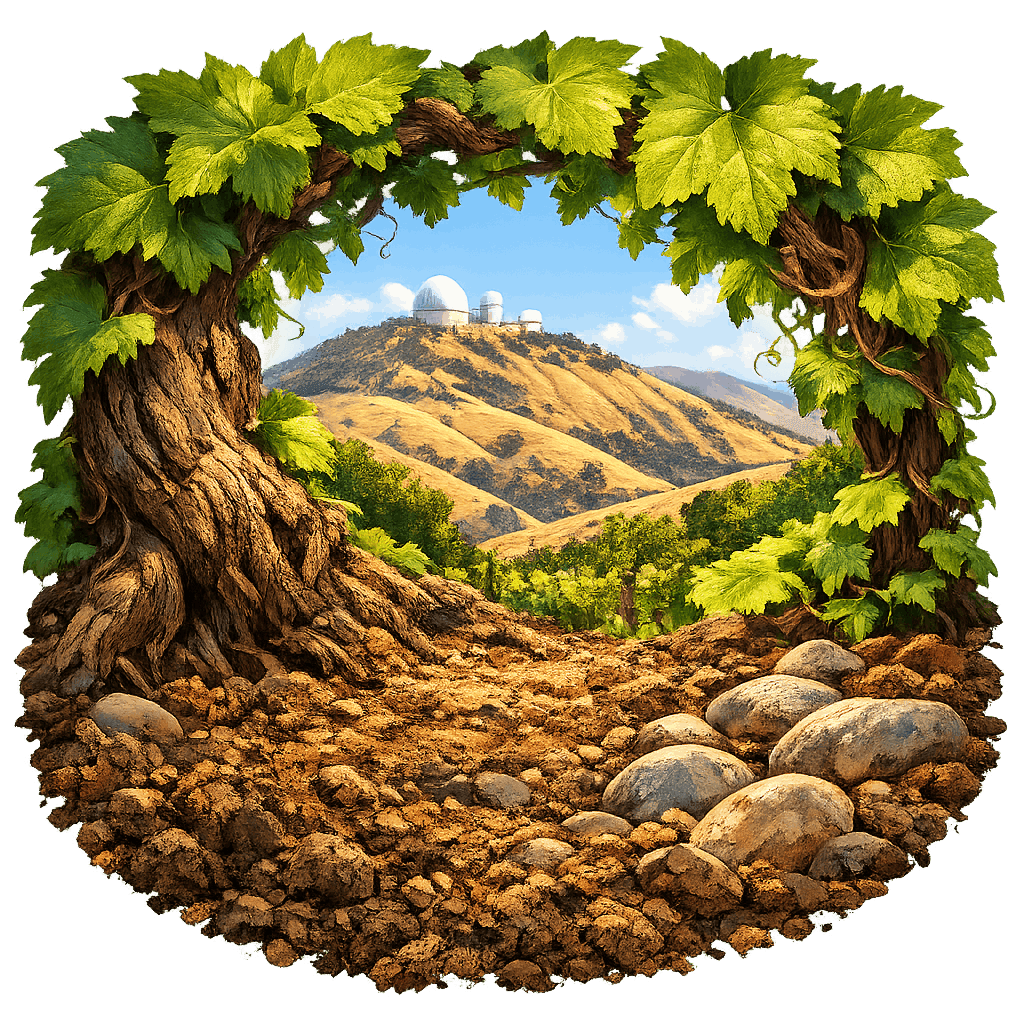
Before search engines ruled the world, Cabernet Sauvignon ruled this soil. This historic gem sits quietly beneath the Bay Area sprawl, proving that ancient roots and tech startups can actually coexist if the Zinfandel is bold enough.
Before search engines ruled the world, Cabernet Sauvignon ruled this soil. This historic gem sits quietly beneath the Bay Area sprawl, proving that ancient roots and tech startups can actually coexist if the Zinfandel is bold enough.
Before search engines ruled the world, Cabernet Sauvignon ruled this soil. This historic gem sits quietly beneath the Bay Area sprawl, proving that ancient roots and tech startups can actually coexist if the Zinfandel is bold enough.
HELPERS
Taste profile
Muscular Reds
Jammy Zin
Earthy Cab
Expect a serious punch of fruit here. Hot summer days cook up robust, muscular reds that don't apologize for their intensity. Zinfandel thrives in the heat, offering jammy, spicy notes that stick to your ribs, while Cabernet Sauvignon develops a rich, earthy backbone. Whites like Chardonnay are present but usually lush and ripe rather than lean. It is comfort food in a glass.
Expect a serious punch of fruit here. Hot summer days cook up robust, muscular reds that don't apologize for their intensity. Zinfandel thrives in the heat, offering jammy, spicy notes that stick to your ribs, while Cabernet Sauvignon develops a rich, earthy backbone. Whites like Chardonnay are present but usually lush and ripe rather than lean. It is comfort food in a glass.
Expect a serious punch of fruit here. Hot summer days cook up robust, muscular reds that don't apologize for their intensity. Zinfandel thrives in the heat, offering jammy, spicy notes that stick to your ribs, while Cabernet Sauvignon develops a rich, earthy backbone. Whites like Chardonnay are present but usually lush and ripe rather than lean. It is comfort food in a glass.
The vibe
Suburban Jungle
Tech Neighbors
Hidden History
Driving here feels like time travel. One minute you are sitting in gridlock next to a self-driving car prototype, and the next you turn down a dusty lane into a vineyard planted before Prohibition. It is a suburban jungle where history fights for sunlight against office parks. The energy is a weirdly charming mix of high-speed innovation and slow-motion agriculture.
Driving here feels like time travel. One minute you are sitting in gridlock next to a self-driving car prototype, and the next you turn down a dusty lane into a vineyard planted before Prohibition. It is a suburban jungle where history fights for sunlight against office parks. The energy is a weirdly charming mix of high-speed innovation and slow-motion agriculture.
Driving here feels like time travel. One minute you are sitting in gridlock next to a self-driving car prototype, and the next you turn down a dusty lane into a vineyard planted before Prohibition. It is a suburban jungle where history fights for sunlight against office parks. The energy is a weirdly charming mix of high-speed innovation and slow-motion agriculture.
Who's who
Guglielmo Family
Sarah's Vineyard
Clos La Chance
Family names are the currency here. Guglielmo Winery has been doing this since 1925, keeping Italian traditions alive while the world changes around them. J. Lohr built their urban headquarters here in 1974, though their vineyards largely roam further south. Keep an eye out for smaller producers like Sarah's Vineyard who are reclaiming the valley's reputation for quality over quantity. It is mostly heritage players holding down the fort.
Family names are the currency here. Guglielmo Winery has been doing this since 1925, keeping Italian traditions alive while the world changes around them. J. Lohr built their urban headquarters here in 1974, though their vineyards largely roam further south. Keep an eye out for smaller producers like Sarah's Vineyard who are reclaiming the valley's reputation for quality over quantity. It is mostly heritage players holding down the fort.
Family names are the currency here. Guglielmo Winery has been doing this since 1925, keeping Italian traditions alive while the world changes around them. J. Lohr built their urban headquarters here in 1974, though their vineyards largely roam further south. Keep an eye out for smaller producers like Sarah's Vineyard who are reclaiming the valley's reputation for quality over quantity. It is mostly heritage players holding down the fort.
LOCAL TALES
The French Connection
The French Connection
The French Connection
Long before anyone was coding in a garage, French immigrants were grafting cuttings in the dirt. In the mid-1800s, Etienne Thee and later his son-in-law Charles Lefranc established what would become the Almaden Vineyards. They were arguably the first to bring quality French cuttings - think Pinot Noir and Cabernet Sauvignon - to California, treating wine as a fine art rather than just booze for the gold miners. While the Almaden brand eventually became a jug winery giant and moved on, those initial plantings proved that this valley had the soil composition to rival Europe. It was the original startup that scaled up way too fast.
Long before anyone was coding in a garage, French immigrants were grafting cuttings in the dirt. In the mid-1800s, Etienne Thee and later his son-in-law Charles Lefranc established what would become the Almaden Vineyards. They were arguably the first to bring quality French cuttings - think Pinot Noir and Cabernet Sauvignon - to California, treating wine as a fine art rather than just booze for the gold miners. While the Almaden brand eventually became a jug winery giant and moved on, those initial plantings proved that this valley had the soil composition to rival Europe. It was the original startup that scaled up way too fast.
Heart's Delight to Hard Drives
Heart's Delight to Hard Drives
Heart's Delight to Hard Drives
If you look at old photos, this entire area was once called the Valley of Heart's Delight. It was an endless sea of orchards, flowering trees, and grapevines that supplied produce to half the country. Then, the silicon chip arrived. As land values skyrocketed, farmers couldn't justify keeping acres of Merlot when they could sell to a developer building a corporate campus. The fact that any wineries survived the tech boom is a miracle of stubbornness. The remaining vineyards are basically holdouts, refusing to turn into parking lots, standing their ground like angry grandpas yelling at clouds, and we love them for it.
If you look at old photos, this entire area was once called the Valley of Heart's Delight. It was an endless sea of orchards, flowering trees, and grapevines that supplied produce to half the country. Then, the silicon chip arrived. As land values skyrocketed, farmers couldn't justify keeping acres of Merlot when they could sell to a developer building a corporate campus. The fact that any wineries survived the tech boom is a miracle of stubbornness. The remaining vineyards are basically holdouts, refusing to turn into parking lots, standing their ground like angry grandpas yelling at clouds, and we love them for it.
The Prohibition Hideout
The Prohibition Hideout
The Prohibition Hideout
While most regions shut down completely during the dry years of the 1920s, Santa Clara Valley got crafty. Many local families, particularly those of Italian descent, managed to keep their operations running by pivoting to 'sacramental wine' or selling grapes for 'home juice making' - which came with very specific instructions on what NOT to do if you didn't want it to accidentally turn into wine. Wink wink. This survival instinct is why you can still find incredibly old Grenache and Carignan vines here. They survived the law, the depression, and eventually the suburban sprawl, just waiting for someone to bottle them.
While most regions shut down completely during the dry years of the 1920s, Santa Clara Valley got crafty. Many local families, particularly those of Italian descent, managed to keep their operations running by pivoting to 'sacramental wine' or selling grapes for 'home juice making' - which came with very specific instructions on what NOT to do if you didn't want it to accidentally turn into wine. Wink wink. This survival instinct is why you can still find incredibly old Grenache and Carignan vines here. They survived the law, the depression, and eventually the suburban sprawl, just waiting for someone to bottle them.
LOCAL WINE STYLES
Californian Cabernet Sauvignon
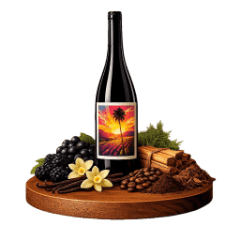
Like a blockbuster movie star, this wine demands attention with muscles on top of muscles. It is big, confident, and fills the room with intense dark fruit and lavish oak that screams success.
Like a blockbuster movie star, this wine demands attention with muscles on top of muscles. It is big, confident, and fills the room with intense dark fruit and lavish oak that screams success.
Californian Red Blend
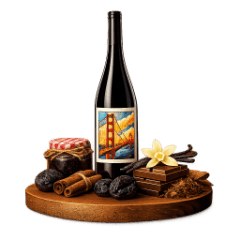
Imagine a winemaker throwing every ripe fruit they can find into a fermentation tank. These wines prioritize smoothness and rich berry flavors over strict rules, resulting in a glass that tastes like liquid red velvet cake.
Imagine a winemaker throwing every ripe fruit they can find into a fermentation tank. These wines prioritize smoothness and rich berry flavors over strict rules, resulting in a glass that tastes like liquid red velvet cake.
LATEST REVIEWS