«
Salta
,
Argentina

San Carlos (Salta)
Historic Jesuit Stronghold
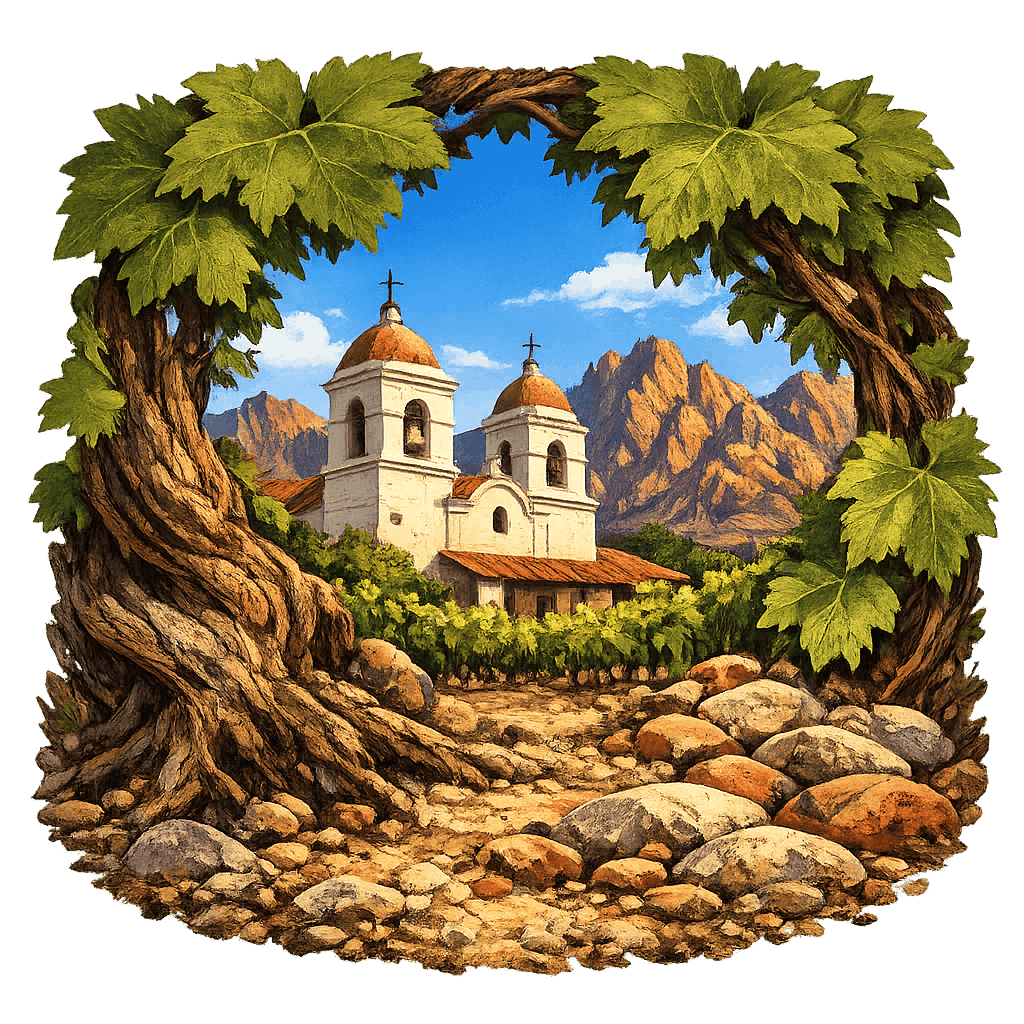
Founded way back in 1551, this spot is actually older than its famous neighbor Cafayate. It is a place where history feels heavy in the air and the sun works overtime on gnarly old trunks.
Founded way back in 1551, this spot is actually older than its famous neighbor Cafayate. It is a place where history feels heavy in the air and the sun works overtime on gnarly old trunks.
Founded way back in 1551, this spot is actually older than its famous neighbor Cafayate. It is a place where history feels heavy in the air and the sun works overtime on gnarly old trunks.



Taste profile
Inky Malbec
Savory Herbs
Thick Skins
Expect intensity dialed up to eleven. Malbec here develops skin thick enough to wear as a jacket, resulting in wines that are inky, spicy, and structured. Torrontés doesn't mess around either, offering explosive floral aromatics that balance out the savory, herbal notes often found in red blends from these high-altitude deserts. It is bold stuff that demands a steak.
Expect intensity dialed up to eleven. Malbec here develops skin thick enough to wear as a jacket, resulting in wines that are inky, spicy, and structured. Torrontés doesn't mess around either, offering explosive floral aromatics that balance out the savory, herbal notes often found in red blends from these high-altitude deserts. It is bold stuff that demands a steak.
Expect intensity dialed up to eleven. Malbec here develops skin thick enough to wear as a jacket, resulting in wines that are inky, spicy, and structured. Torrontés doesn't mess around either, offering explosive floral aromatics that balance out the savory, herbal notes often found in red blends from these high-altitude deserts. It is bold stuff that demands a steak.
The vibe
Sepia Tones
Quiet History
Slow Living
Walking through these streets feels like stepping into a sepia photograph. Colonial architecture dominates the view, reminding visitors that Jesuits settled here centuries ago to brew distinct elixirs. It is quiet, dusty in a charming way, and fiercely traditional, providing a stark contrast to the more tourist-heavy zones further south. Time moves slower here, roughly at the speed of fermenting juice.
Walking through these streets feels like stepping into a sepia photograph. Colonial architecture dominates the view, reminding visitors that Jesuits settled here centuries ago to brew distinct elixirs. It is quiet, dusty in a charming way, and fiercely traditional, providing a stark contrast to the more tourist-heavy zones further south. Time moves slower here, roughly at the speed of fermenting juice.
Walking through these streets feels like stepping into a sepia photograph. Colonial architecture dominates the view, reminding visitors that Jesuits settled here centuries ago to brew distinct elixirs. It is quiet, dusty in a charming way, and fiercely traditional, providing a stark contrast to the more tourist-heavy zones further south. Time moves slower here, roughly at the speed of fermenting juice.
Who's who
Small Producers
Local Families
Ancient Coops
Artisanal production reigns supreme in this corner of the valley. While massive conglomerates are rare, you will find gems like Bodega Arca Yaco or traditional family cellars keeping the dream alive. Many local families have been making wine for generations in backyard setups, but modern investment is creeping in, polishing the rough edges of these potent mountain wines.
Artisanal production reigns supreme in this corner of the valley. While massive conglomerates are rare, you will find gems like Bodega Arca Yaco or traditional family cellars keeping the dream alive. Many local families have been making wine for generations in backyard setups, but modern investment is creeping in, polishing the rough edges of these potent mountain wines.
Artisanal production reigns supreme in this corner of the valley. While massive conglomerates are rare, you will find gems like Bodega Arca Yaco or traditional family cellars keeping the dream alive. Many local families have been making wine for generations in backyard setups, but modern investment is creeping in, polishing the rough edges of these potent mountain wines.
LOCAL TALES
The Town of Five Names
The Town of Five Names
The Town of Five Names
San Carlos is often called the Town of Five Names because it had a serious identity crisis during the Spanish conquest. Every time the Spanish tried to establish a settlement here, the fierce Calchaquí tribes essentially said absolutely not and burned it down. It took five separate attempts and five different names before a foundation finally stuck in 1641. This history of resistance is baked into the soil. When you drink a glass of Cabernet from here, you aren't just tasting fruit, you are tasting centuries of stubborn resilience. The locals are proud of this fighter spirit, and honestly, the wines have enough tannic grip to fight you back if you aren't ready for them.
San Carlos is often called the Town of Five Names because it had a serious identity crisis during the Spanish conquest. Every time the Spanish tried to establish a settlement here, the fierce Calchaquí tribes essentially said absolutely not and burned it down. It took five separate attempts and five different names before a foundation finally stuck in 1641. This history of resistance is baked into the soil. When you drink a glass of Cabernet from here, you aren't just tasting fruit, you are tasting centuries of stubborn resilience. The locals are proud of this fighter spirit, and honestly, the wines have enough tannic grip to fight you back if you aren't ready for them.
Holy Intervention
Holy Intervention
Holy Intervention
Before hipster sommeliers started raving about high-altitude viticulture, the Jesuits were already here figuring it out. They planted the first cuttings in the 17th century, not for points from wine critics, but for sacramental wine to fuel the masses. Their legacy is still visible in the ancient irrigation channels and the colonial architecture that defines the town. These monks knew exactly where the water flowed best and which slopes caught the morning light. Modern winemakers are basically just following the instruction manual left behind by religious men who needed good wine to get through long sermons. It turns out that holy dedication makes for excellent agriculture.
Before hipster sommeliers started raving about high-altitude viticulture, the Jesuits were already here figuring it out. They planted the first cuttings in the 17th century, not for points from wine critics, but for sacramental wine to fuel the masses. Their legacy is still visible in the ancient irrigation channels and the colonial architecture that defines the town. These monks knew exactly where the water flowed best and which slopes caught the morning light. Modern winemakers are basically just following the instruction manual left behind by religious men who needed good wine to get through long sermons. It turns out that holy dedication makes for excellent agriculture.
Sunblock for Grapes
Sunblock for Grapes
Sunblock for Grapes
There is getting a tan, and then there is whatever happens to grapes in San Carlos. The UV radiation here is so intense due to the extreme altitude that it forces Malbec to grow skins as thick as leather just to survive. This isn't a flaw - it is a feature. Those thick skins are packed with anthocyanins, the compounds responsible for color and antioxidants. This means the wine in your glass is often so dark it absorbs light like a black hole. Locals joke that you can skip the gym and just lift a glass of this stuff because it is so heavy and dense.
There is getting a tan, and then there is whatever happens to grapes in San Carlos. The UV radiation here is so intense due to the extreme altitude that it forces Malbec to grow skins as thick as leather just to survive. This isn't a flaw - it is a feature. Those thick skins are packed with anthocyanins, the compounds responsible for color and antioxidants. This means the wine in your glass is often so dark it absorbs light like a black hole. Locals joke that you can skip the gym and just lift a glass of this stuff because it is so heavy and dense.
LATEST REVIEWS