«
Liguria
,
Italy

Riviera Ligure di Ponente
Basil, Blooms, Beaches
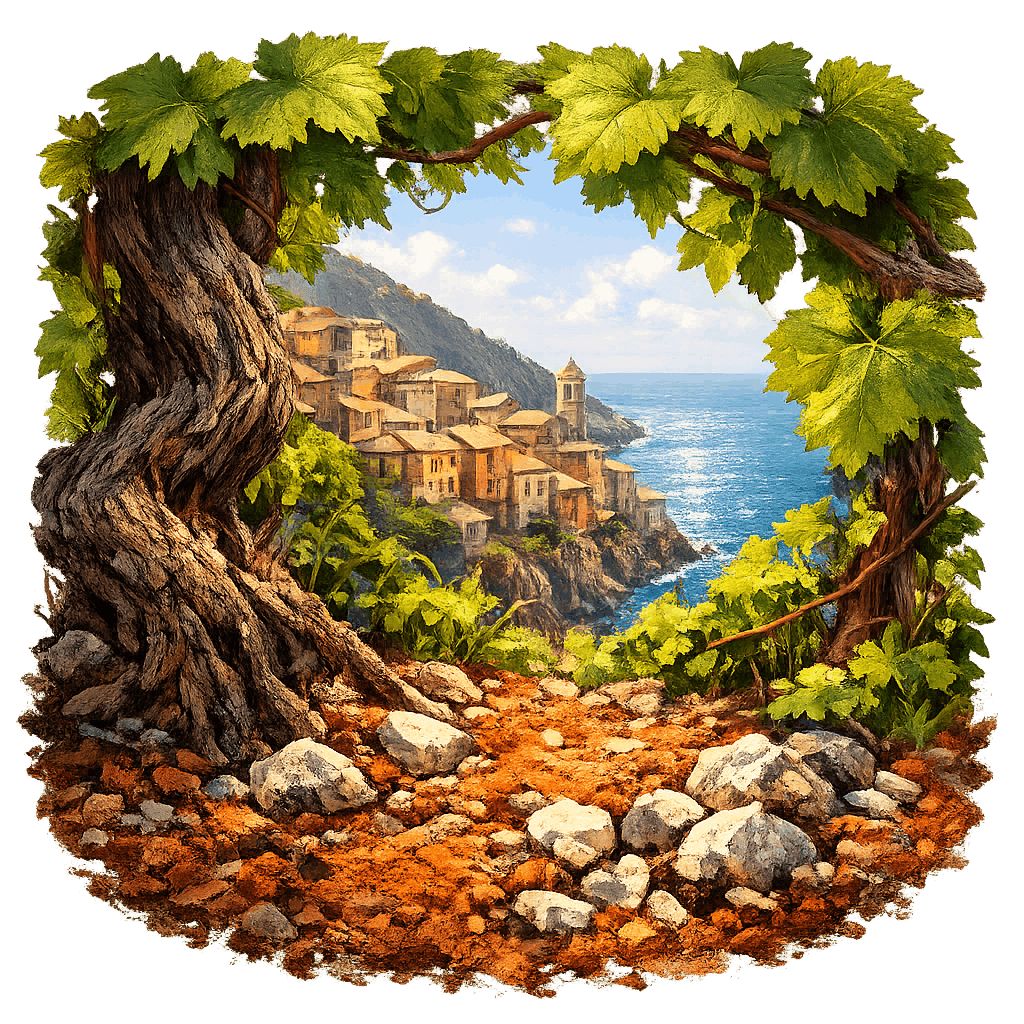
Stretching towards France, this coastal strip is the unsung hero of Ligurian viticulture. While tourists clog the east, locals here sip Pigato among endless greenhouses and olive groves. It is the sophisticated, aromatic cousin of the rugged east.
Stretching towards France, this coastal strip is the unsung hero of Ligurian viticulture. While tourists clog the east, locals here sip Pigato among endless greenhouses and olive groves. It is the sophisticated, aromatic cousin of the rugged east.
Stretching towards France, this coastal strip is the unsung hero of Ligurian viticulture. While tourists clog the east, locals here sip Pigato among endless greenhouses and olive groves. It is the sophisticated, aromatic cousin of the rugged east.


Taste profile
Salty kick
Almond finish
Herbal zest
Pigato rules the roost here with a distinct almond bitterness and a savory, salty kick that screams for seafood. Vermentino gets a bit more round and fruity in this climate. You will find wines that smell like wild herbs, lemon zest, and wet stones. It is basically the liquid equivalent of diving into the Mediterranean and drying off in a basil patch.
Pigato rules the roost here with a distinct almond bitterness and a savory, salty kick that screams for seafood. Vermentino gets a bit more round and fruity in this climate. You will find wines that smell like wild herbs, lemon zest, and wet stones. It is basically the liquid equivalent of diving into the Mediterranean and drying off in a basil patch.
Pigato rules the roost here with a distinct almond bitterness and a savory, salty kick that screams for seafood. Vermentino gets a bit more round and fruity in this climate. You will find wines that smell like wild herbs, lemon zest, and wet stones. It is basically the liquid equivalent of diving into the Mediterranean and drying off in a basil patch.
The vibe
Flower power
Glass houses
Chill coast
Driving through here feels like navigating a giant garden center. Spanning the Riviera delle Palme and Riviera dei Fiori, the landscape is a patchwork of glass greenhouses, steep terraces, and medieval towns like Albenga. It feels lived-in and authentic, where farming comes first and tourism is just a happy accident. The air smells of salt and money made from selling roses.
Driving through here feels like navigating a giant garden center. Spanning the Riviera delle Palme and Riviera dei Fiori, the landscape is a patchwork of glass greenhouses, steep terraces, and medieval towns like Albenga. It feels lived-in and authentic, where farming comes first and tourism is just a happy accident. The air smells of salt and money made from selling roses.
Driving through here feels like navigating a giant garden center. Spanning the Riviera delle Palme and Riviera dei Fiori, the landscape is a patchwork of glass greenhouses, steep terraces, and medieval towns like Albenga. It feels lived-in and authentic, where farming comes first and tourism is just a happy accident. The air smells of salt and money made from selling roses.
Who's who
Bio Vio
Punta Crena
Family run
Look for names like Bio Vio who embrace the organic life with gusto. Punta Crena makes wines that are fiercely traditional and beloved by sommeliers worldwide. Durin offers a massive lineup that showcases the versatility of the region. Most wineries here are family-run affairs where you are likely to be poured a glass by the owner in their living room.
Look for names like Bio Vio who embrace the organic life with gusto. Punta Crena makes wines that are fiercely traditional and beloved by sommeliers worldwide. Durin offers a massive lineup that showcases the versatility of the region. Most wineries here are family-run affairs where you are likely to be poured a glass by the owner in their living room.
Look for names like Bio Vio who embrace the organic life with gusto. Punta Crena makes wines that are fiercely traditional and beloved by sommeliers worldwide. Durin offers a massive lineup that showcases the versatility of the region. Most wineries here are family-run affairs where you are likely to be poured a glass by the owner in their living room.
LOCAL TALES
The Spotted Grape Mystery
The Spotted Grape Mystery
The Spotted Grape Mystery
History buffs love arguing about Pigato. Is it just Vermentino in disguise? DNA profiling suggests they are identical twins, yet they taste completely different. The name Pigato derives from the dialect word 'pighe', meaning rust spots. These little brown freckles appear on the ripe skins like a bad spray tan, but they are actually a badge of honor. Historically, farmers knew that when the berries got ugly and spotted, the wine would be rich, oily, and complex. While Vermentino tries to stay pretty and green, Pigato leans into its imperfections, proving that true beauty - and flavor - often comes with a few blemishes.
History buffs love arguing about Pigato. Is it just Vermentino in disguise? DNA profiling suggests they are identical twins, yet they taste completely different. The name Pigato derives from the dialect word 'pighe', meaning rust spots. These little brown freckles appear on the ripe skins like a bad spray tan, but they are actually a badge of honor. Historically, farmers knew that when the berries got ugly and spotted, the wine would be rich, oily, and complex. While Vermentino tries to stay pretty and green, Pigato leans into its imperfections, proving that true beauty - and flavor - often comes with a few blemishes.
The Pesto Imperative
The Pesto Imperative
The Pesto Imperative
You cannot physically separate this wine from basil. It is against the laws of physics and possibly Italian jurisdiction. The Riviera Ligure di Ponente is the spiritual home of the Taggiasca olive and Genovese basil. Locals claim that the salty sea air that batters the vines also seasons the basil plants growing in the greenhouses nearby. When you drink a local white, the high acidity cuts through the oily richness of pesto pasta like a laser beam. It is a symbiotic relationship forged over centuries. Trying to pair these wines with anything other than local cuisine is considered a minor treason by the grandmothers of Albenga.
You cannot physically separate this wine from basil. It is against the laws of physics and possibly Italian jurisdiction. The Riviera Ligure di Ponente is the spiritual home of the Taggiasca olive and Genovese basil. Locals claim that the salty sea air that batters the vines also seasons the basil plants growing in the greenhouses nearby. When you drink a local white, the high acidity cuts through the oily richness of pesto pasta like a laser beam. It is a symbiotic relationship forged over centuries. Trying to pair these wines with anything other than local cuisine is considered a minor treason by the grandmothers of Albenga.
A Smuggler's Paradise
A Smuggler's Paradise
A Smuggler's Paradise
Proximity to the French border has always made this area a bit spicy. Before the EU opened everything up, these steep valleys were prime real estate for moving goods quietly between Italy and France. Old folks in the taverns still whisper about grandfathers who hauled sacks of salt, tobacco, and arguably wine over the treacherous mountain passes by moonlight. Today, the only thing being smuggled across borders is the occasional case of Rossese or Pigato in the trunk of a tourist's car. The rebellious spirit remains in the winemaking, though. Producers here stick to their indigenous grapes with a stubborn pride, refusing to plant international varieties just to please the global market.
Proximity to the French border has always made this area a bit spicy. Before the EU opened everything up, these steep valleys were prime real estate for moving goods quietly between Italy and France. Old folks in the taverns still whisper about grandfathers who hauled sacks of salt, tobacco, and arguably wine over the treacherous mountain passes by moonlight. Today, the only thing being smuggled across borders is the occasional case of Rossese or Pigato in the trunk of a tourist's car. The rebellious spirit remains in the winemaking, though. Producers here stick to their indigenous grapes with a stubborn pride, refusing to plant international varieties just to please the global market.
LATEST REVIEWS