«
Napa Valley
,
California

Oak Knoll District
Napa's Sweet Spot
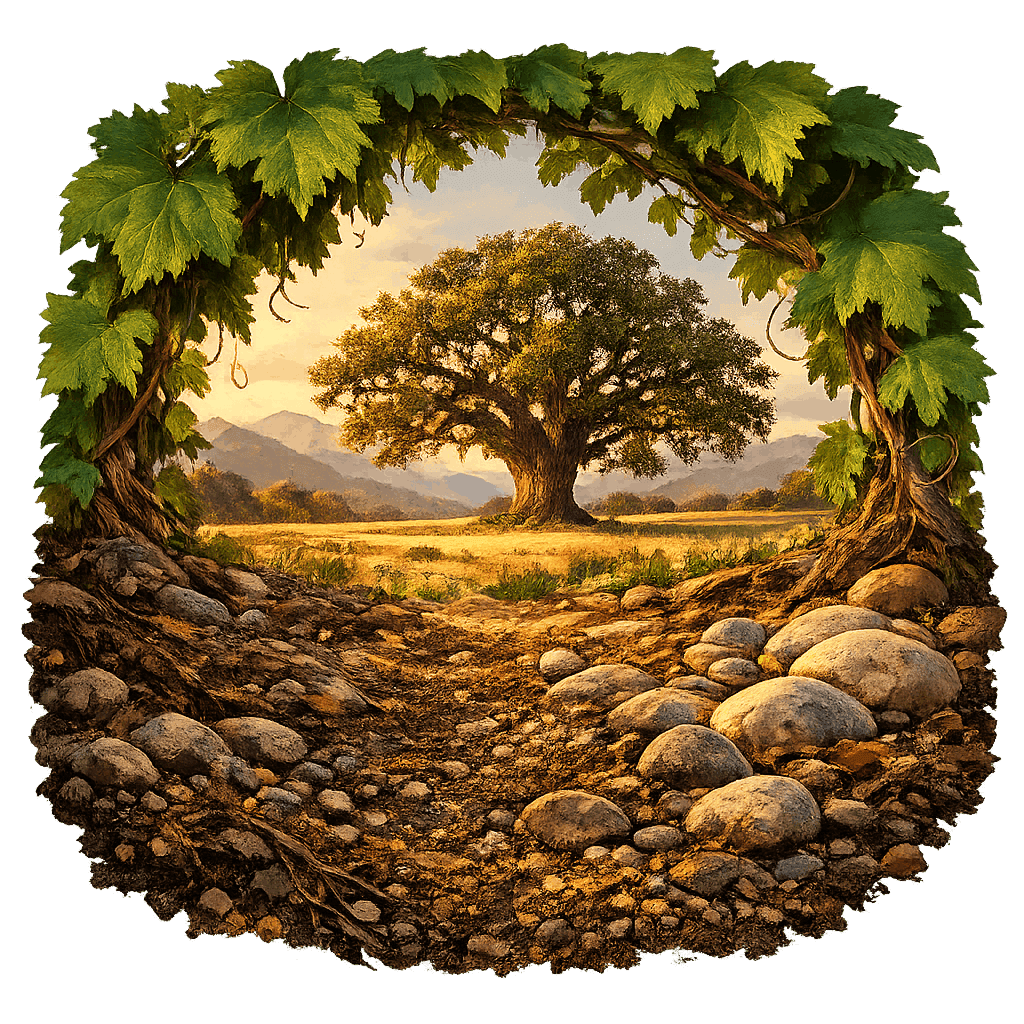
Situated where the valley floor widens, this area catches San Pablo Bay fog just enough to cool things down without freezing everyone out. It balances warmth and chill, allowing for an incredibly diverse range of bottles.
Situated where the valley floor widens, this area catches San Pablo Bay fog just enough to cool things down without freezing everyone out. It balances warmth and chill, allowing for an incredibly diverse range of bottles.
Situated where the valley floor widens, this area catches San Pablo Bay fog just enough to cool things down without freezing everyone out. It balances warmth and chill, allowing for an incredibly diverse range of bottles.
Taste profile
Elegant Reds
Savory Herbs
Zesty Whites
Expect precision rather than brute force. Because temperatures hang lower here than up north, Cabernet Sauvignon retains snapping acidity and savory herbal notes instead of turning into blackberry jam. Merlot feels plush yet structured, and unlike most neighbors, this spot actually produces zesty, world-class white wines like Riesling that will wake up your palate instantly.
Expect precision rather than brute force. Because temperatures hang lower here than up north, Cabernet Sauvignon retains snapping acidity and savory herbal notes instead of turning into blackberry jam. Merlot feels plush yet structured, and unlike most neighbors, this spot actually produces zesty, world-class white wines like Riesling that will wake up your palate instantly.
Expect precision rather than brute force. Because temperatures hang lower here than up north, Cabernet Sauvignon retains snapping acidity and savory herbal notes instead of turning into blackberry jam. Merlot feels plush yet structured, and unlike most neighbors, this spot actually produces zesty, world-class white wines like Riesling that will wake up your palate instantly.
The vibe
Flat Farmland
Foggy Mornings
Unpretentious
Flat, expansive, and decidedly unpretentious, this sector feels more like authentic farming country than a tourist trap. Rows of vines stretch endlessly across the valley floor, bathed in morning fog that slowly burns off to reveal glorious sunshine. It is quiet, breezy, and feels like the sturdy backbone of the entire region.
Flat, expansive, and decidedly unpretentious, this sector feels more like authentic farming country than a tourist trap. Rows of vines stretch endlessly across the valley floor, bathed in morning fog that slowly burns off to reveal glorious sunshine. It is quiet, breezy, and feels like the sturdy backbone of the entire region.
Flat, expansive, and decidedly unpretentious, this sector feels more like authentic farming country than a tourist trap. Rows of vines stretch endlessly across the valley floor, bathed in morning fog that slowly burns off to reveal glorious sunshine. It is quiet, breezy, and feels like the sturdy backbone of the entire region.
Who's who
Trefethen
Blackbird
Materra
Trefethen Family Vineyards basically anchors the neighborhood, having fought fiercely to keep the land agricultural instead of paved over. Keep an eye out for Blackbird Vineyards if you love Merlot-driven blends that mimic Bordeaux, and check out Materra for a modern take on the classic valley floor experience.
Trefethen Family Vineyards basically anchors the neighborhood, having fought fiercely to keep the land agricultural instead of paved over. Keep an eye out for Blackbird Vineyards if you love Merlot-driven blends that mimic Bordeaux, and check out Materra for a modern take on the classic valley floor experience.
Trefethen Family Vineyards basically anchors the neighborhood, having fought fiercely to keep the land agricultural instead of paved over. Keep an eye out for Blackbird Vineyards if you love Merlot-driven blends that mimic Bordeaux, and check out Materra for a modern take on the classic valley floor experience.
LOCAL TALES
The Ghost That Saved The Valley
The Ghost That Saved The Valley
The Ghost That Saved The Valley
Back in 1968, when Napa was arguably more about prunes than Pinot, the Trefethen family purchased a dilapidated 19th-century ghost winery known as Eshcol. Built in 1886 by Captain Hamden McIntyre, the wooden structure was practically held together by cobwebs and hope. Instead of bulldozing it for a shiny new stucco palace, they painstakingly restored it. It stands today as the only wooden gravity-flow winery from that era left in the valley. It survived earthquakes and prohibition, serving as a tangible reminder that this district has deep roots, even if it took a while for the rest of the world to notice the potential of its dirt.
Back in 1968, when Napa was arguably more about prunes than Pinot, the Trefethen family purchased a dilapidated 19th-century ghost winery known as Eshcol. Built in 1886 by Captain Hamden McIntyre, the wooden structure was practically held together by cobwebs and hope. Instead of bulldozing it for a shiny new stucco palace, they painstakingly restored it. It stands today as the only wooden gravity-flow winery from that era left in the valley. It survived earthquakes and prohibition, serving as a tangible reminder that this district has deep roots, even if it took a while for the rest of the world to notice the potential of its dirt.
The Goldilocks Anomaly
The Goldilocks Anomaly
The Goldilocks Anomaly
While up-valley AVAs are busy shouting about their powerful reds, this district quietly masters the art of doing it all. Because it sits at the precise latitude where the marine influence from San Pablo Bay starts to fade but isn't gone, it creates a climate miracle. You can ripen Cabernet Sauvignon until it is complex and deep, but fifty feet away, you can grow razor-sharp Riesling. It is a climatological anomaly where cool-climate lovers and heat-seeking red drinkers can actually sit at the same table and agree on a bottle. That level of diplomacy is rare in the wine world.
While up-valley AVAs are busy shouting about their powerful reds, this district quietly masters the art of doing it all. Because it sits at the precise latitude where the marine influence from San Pablo Bay starts to fade but isn't gone, it creates a climate miracle. You can ripen Cabernet Sauvignon until it is complex and deep, but fifty feet away, you can grow razor-sharp Riesling. It is a climatological anomaly where cool-climate lovers and heat-seeking red drinkers can actually sit at the same table and agree on a bottle. That level of diplomacy is rare in the wine world.
Concrete vs. Cabernet
Concrete vs. Cabernet
Concrete vs. Cabernet
If you enjoy looking at vines instead of condos, you owe this district a drink. The local landowners here were instrumental in establishing the Agricultural Preserve in 1968, effectively banning the suburban sprawl that was creeping north from the city. Developers were drooling over this flat, buildable land, envisioning strip malls and housing tracks. The farmers said absolutely not. By drawing a line in the sand - or rather, the loam - they ensured that the valley floor remained a sanctuary for agriculture. Today, when you drive past miles of green instead of concrete, it is largely because these folks valued their soil more than a quick real estate payout.
If you enjoy looking at vines instead of condos, you owe this district a drink. The local landowners here were instrumental in establishing the Agricultural Preserve in 1968, effectively banning the suburban sprawl that was creeping north from the city. Developers were drooling over this flat, buildable land, envisioning strip malls and housing tracks. The farmers said absolutely not. By drawing a line in the sand - or rather, the loam - they ensured that the valley floor remained a sanctuary for agriculture. Today, when you drive past miles of green instead of concrete, it is largely because these folks valued their soil more than a quick real estate payout.
LOCAL WINE STYLES
Californian Cabernet Sauvignon
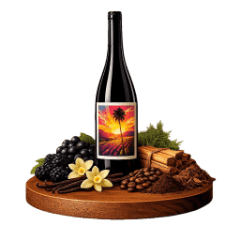
Like a blockbuster movie star, this wine demands attention with muscles on top of muscles. It is big, confident, and fills the room with intense dark fruit and lavish oak that screams success.
Like a blockbuster movie star, this wine demands attention with muscles on top of muscles. It is big, confident, and fills the room with intense dark fruit and lavish oak that screams success.
Californian Red Blend
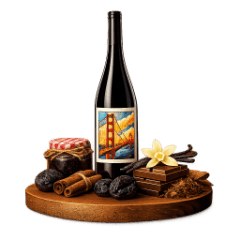
Imagine a winemaker throwing every ripe fruit they can find into a fermentation tank. These wines prioritize smoothness and rich berry flavors over strict rules, resulting in a glass that tastes like liquid red velvet cake.
Imagine a winemaker throwing every ripe fruit they can find into a fermentation tank. These wines prioritize smoothness and rich berry flavors over strict rules, resulting in a glass that tastes like liquid red velvet cake.
LATEST REVIEWS