«
Loire Valley
,
France
Muscadet Sèvre-et-Maine
Salty Oyster Bestie
This is the big kahuna of the area, producing the lion's share of bottles you actually see on shelves. It is strictly about lees aging, making Melon de Bourgogne distinctively creamy yet snappy.
This is the big kahuna of the area, producing the lion's share of bottles you actually see on shelves. It is strictly about lees aging, making Melon de Bourgogne distinctively creamy yet snappy.
This is the big kahuna of the area, producing the lion's share of bottles you actually see on shelves. It is strictly about lees aging, making Melon de Bourgogne distinctively creamy yet snappy.
LEADERS

Taste profile
Zesty Lemon
Briny Kick
Yeasty Texture
Expect a laser beam of acidity that cuts right through rich seafood. Winemakers here leave the juice sitting on dead yeast cells - sounds gross, tastes amazing - for months to add texture. You get lemon zest, green apple, and a briny finish that screams for shellfish. It is crisp, saline, and surprisingly age-worthy in the right hands.
Expect a laser beam of acidity that cuts right through rich seafood. Winemakers here leave the juice sitting on dead yeast cells - sounds gross, tastes amazing - for months to add texture. You get lemon zest, green apple, and a briny finish that screams for shellfish. It is crisp, saline, and surprisingly age-worthy in the right hands.
Expect a laser beam of acidity that cuts right through rich seafood. Winemakers here leave the juice sitting on dead yeast cells - sounds gross, tastes amazing - for months to add texture. You get lemon zest, green apple, and a briny finish that screams for shellfish. It is crisp, saline, and surprisingly age-worthy in the right hands.
The vibe
River Junction
Granite Soils
Atlantic Breeze
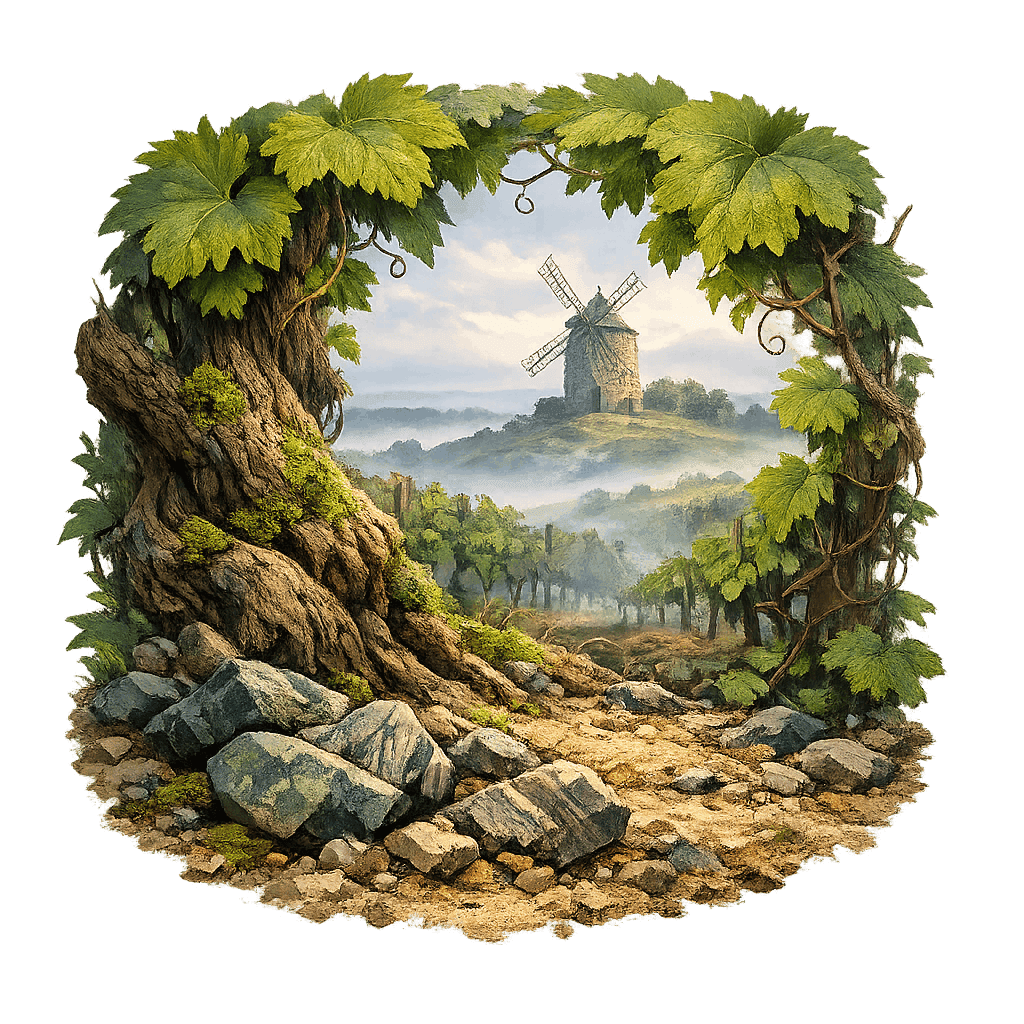
Rolling hills south of Nantes dominate the landscape, bordered by two rivers that give the appellation its name. It feels like a sea of green vines marching toward the Atlantic. The air smells slightly salty, and the soil is full of granite and gneiss rocks that locals swear you can taste in the glass. It is unpretentious and hardworking.
Rolling hills south of Nantes dominate the landscape, bordered by two rivers that give the appellation its name. It feels like a sea of green vines marching toward the Atlantic. The air smells slightly salty, and the soil is full of granite and gneiss rocks that locals swear you can taste in the glass. It is unpretentious and hardworking.
Rolling hills south of Nantes dominate the landscape, bordered by two rivers that give the appellation its name. It feels like a sea of green vines marching toward the Atlantic. The air smells slightly salty, and the soil is full of granite and gneiss rocks that locals swear you can taste in the glass. It is unpretentious and hardworking.
Who's who
Domaine de la Pépière
Jo Landron
Luneau-Papin
Pepière is the legend here, proving these white wines can age for decades. Luneau-Papin makes stunning single-plot bottlings that rival fancy Burgundies. Look out for Jo Landron with his impressive mustache and biodynamic farming, or innovators like Domaine de l'Ecu who are pushing boundaries with amphora aging.
Pepière is the legend here, proving these white wines can age for decades. Luneau-Papin makes stunning single-plot bottlings that rival fancy Burgundies. Look out for Jo Landron with his impressive mustache and biodynamic farming, or innovators like Domaine de l'Ecu who are pushing boundaries with amphora aging.
Pepière is the legend here, proving these white wines can age for decades. Luneau-Papin makes stunning single-plot bottlings that rival fancy Burgundies. Look out for Jo Landron with his impressive mustache and biodynamic farming, or innovators like Domaine de l'Ecu who are pushing boundaries with amphora aging.
LOCAL TALES
The Big Freeze
The Big Freeze
The Big Freeze
While everyone assumes this region was always destined for white wine, it actually used to be full of red grapes. Then came the winter of 1709, which was so brutally cold it froze the barrels in the cellars and killed almost every plant in the ground. It was an absolute disaster. When replanting time came, the Dutch traders demanded something frost-resistant and high-yield to make brandy. Enter Melon de Bourgogne. This sturdy little survivor took over the frozen wasteland, and while it was meant for distillation, locals eventually realized it made a killer dry white wine. Sometimes Mother Nature forces a rebrand.
While everyone assumes this region was always destined for white wine, it actually used to be full of red grapes. Then came the winter of 1709, which was so brutally cold it froze the barrels in the cellars and killed almost every plant in the ground. It was an absolute disaster. When replanting time came, the Dutch traders demanded something frost-resistant and high-yield to make brandy. Enter Melon de Bourgogne. This sturdy little survivor took over the frozen wasteland, and while it was meant for distillation, locals eventually realized it made a killer dry white wine. Sometimes Mother Nature forces a rebrand.
Sleeping on Sediment
Sleeping on Sediment
Sleeping on Sediment
Most winemaking involves getting the juice off the gross, dead yeast sediment as fast as possible to keep things clean. Here, they do the exact opposite. They looked at that sludge, called 'lees,' and decided to let the wine take a nap on it for six months or more. Why? Because Melon de Bourgogne is naturally kind of neutral and boring on its own. By leaving it on the lees (Sur Lie), the wine absorbs antioxidants and texture, turning something watery into something creamy, slightly sparkling, and complex. It is essentially giving the wine a personality transplant through lazy winemaking techniques that actually require obsessive monitoring.
Most winemaking involves getting the juice off the gross, dead yeast sediment as fast as possible to keep things clean. Here, they do the exact opposite. They looked at that sludge, called 'lees,' and decided to let the wine take a nap on it for six months or more. Why? Because Melon de Bourgogne is naturally kind of neutral and boring on its own. By leaving it on the lees (Sur Lie), the wine absorbs antioxidants and texture, turning something watery into something creamy, slightly sparkling, and complex. It is essentially giving the wine a personality transplant through lazy winemaking techniques that actually require obsessive monitoring.
Not Just Mouthwash
Not Just Mouthwash
Not Just Mouthwash
For decades, people treated this appellation like the cheap mouthwash of the wine world - something to chug with mussels and forget about immediately. But the locals got tired of being the bargain bin choice. They identified specific soil types like granite, gabbro, and orthogneiss to create 'Crus Communaux.' These are super-premium zones like Clisson and Gorges where wines must age on lees for years, not months. The result? Wines that taste remarkably like Chablis but cost a fraction of the price. It is a massive victory against wine snobs who think Melon de Bourgogne can't be serious. Now, sommeliers fight over these allocations.
For decades, people treated this appellation like the cheap mouthwash of the wine world - something to chug with mussels and forget about immediately. But the locals got tired of being the bargain bin choice. They identified specific soil types like granite, gabbro, and orthogneiss to create 'Crus Communaux.' These are super-premium zones like Clisson and Gorges where wines must age on lees for years, not months. The result? Wines that taste remarkably like Chablis but cost a fraction of the price. It is a massive victory against wine snobs who think Melon de Bourgogne can't be serious. Now, sommeliers fight over these allocations.
LATEST REVIEWS