«
Loire Valley
,
France
Muscadet
Salty Oyster Bestie
Forget everything you know about boring white wine because this Atlantic-influenced region is having a major glow-up. It is basically the ocean in a glass, offering crisp refreshment that demands a seafood platter immediately.
Forget everything you know about boring white wine because this Atlantic-influenced region is having a major glow-up. It is basically the ocean in a glass, offering crisp refreshment that demands a seafood platter immediately.
Forget everything you know about boring white wine because this Atlantic-influenced region is having a major glow-up. It is basically the ocean in a glass, offering crisp refreshment that demands a seafood platter immediately.
LEADERS

Taste profile
Briny Mineral
Zesty Citrus
Creamy Lees
If you love acidity that makes your jaw tingle, you are home. Melon de Bourgogne rules here, delivering zesty lemon, green apple, and a distinct briny minerality. Winemakers often leave the wine on its lees - dead yeast cells - for months to add a creamy texture that balances out that electric zip. It is light, bone-dry, and incredibly crushable.
If you love acidity that makes your jaw tingle, you are home. Melon de Bourgogne rules here, delivering zesty lemon, green apple, and a distinct briny minerality. Winemakers often leave the wine on its lees - dead yeast cells - for months to add a creamy texture that balances out that electric zip. It is light, bone-dry, and incredibly crushable.
If you love acidity that makes your jaw tingle, you are home. Melon de Bourgogne rules here, delivering zesty lemon, green apple, and a distinct briny minerality. Winemakers often leave the wine on its lees - dead yeast cells - for months to add a creamy texture that balances out that electric zip. It is light, bone-dry, and incredibly crushable.
The vibe
Ocean Breeze
Granite Soils
Oyster Shacks
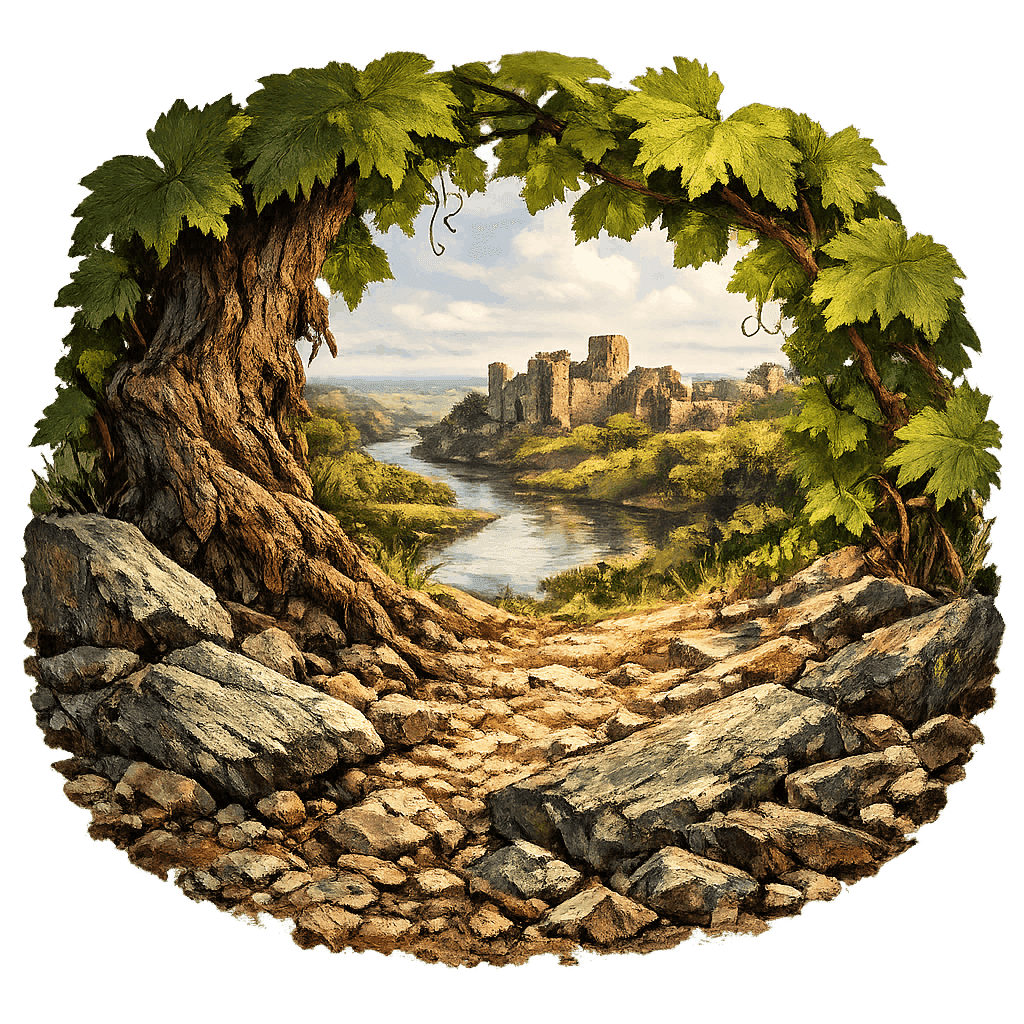
Picture a windy coastline where the Atlantic Ocean crashes into the Loire River. It is unpretentious and breezy, filled with oyster shacks and gumboots rather than fancy chateaux. The soil is ancient - mostly granite and gneiss - which sounds rock hard because it is. This is working-class France at its most charming, where wine is meant for drinking by the pitcher, not hoarding in a cellar.
Picture a windy coastline where the Atlantic Ocean crashes into the Loire River. It is unpretentious and breezy, filled with oyster shacks and gumboots rather than fancy chateaux. The soil is ancient - mostly granite and gneiss - which sounds rock hard because it is. This is working-class France at its most charming, where wine is meant for drinking by the pitcher, not hoarding in a cellar.
Picture a windy coastline where the Atlantic Ocean crashes into the Loire River. It is unpretentious and breezy, filled with oyster shacks and gumboots rather than fancy chateaux. The soil is ancient - mostly granite and gneiss - which sounds rock hard because it is. This is working-class France at its most charming, where wine is meant for drinking by the pitcher, not hoarding in a cellar.
Who's who
Aging Legends
Mustache Man
Rule Breakers
Domaine de la Pepiere is the absolute legend here, proving that Melon de Bourgogne can actually age like a champ. For the cool kids, check out Jo Landron with his epic mustache and biodynamic practices. Luneau-Papin creates single-plot wines that rival fancy Burgundies for complexity. Keep an eye on Jerome Bretaudeau who is breaking rules and making everyone rethink what this region can actually do.
Domaine de la Pepiere is the absolute legend here, proving that Melon de Bourgogne can actually age like a champ. For the cool kids, check out Jo Landron with his epic mustache and biodynamic practices. Luneau-Papin creates single-plot wines that rival fancy Burgundies for complexity. Keep an eye on Jerome Bretaudeau who is breaking rules and making everyone rethink what this region can actually do.
Domaine de la Pepiere is the absolute legend here, proving that Melon de Bourgogne can actually age like a champ. For the cool kids, check out Jo Landron with his epic mustache and biodynamic practices. Luneau-Papin creates single-plot wines that rival fancy Burgundies for complexity. Keep an eye on Jerome Bretaudeau who is breaking rules and making everyone rethink what this region can actually do.
LOCAL TALES
The Big Freeze
The Big Freeze
The Big Freeze
Back in the winter of 1709, it got so cold in France that wine froze inside the bottles and bread had to be chopped with axes. This brutal freeze killed off almost all the red grapes planted near Nantes. Desperate locals needed something hardy to replant, so they looked to a Burgundian reject called Melon de Bourgogne. It was tough, frost-resistant, and produced a ton of juice. While Burgundy turned up its nose at Melon, the Nantais embraced it. It turns out this neutral little grape was the perfect blank canvas for their unique terroir, creating a crisp white wine that eventually became the global poster child for seafood pairings.
Back in the winter of 1709, it got so cold in France that wine froze inside the bottles and bread had to be chopped with axes. This brutal freeze killed off almost all the red grapes planted near Nantes. Desperate locals needed something hardy to replant, so they looked to a Burgundian reject called Melon de Bourgogne. It was tough, frost-resistant, and produced a ton of juice. While Burgundy turned up its nose at Melon, the Nantais embraced it. It turns out this neutral little grape was the perfect blank canvas for their unique terroir, creating a crisp white wine that eventually became the global poster child for seafood pairings.
The Honeymoon Barrel
The Honeymoon Barrel
The Honeymoon Barrel
Romance, not laziness, actually led to this brilliance. Traditionally, winemakers filtered juice immediately to clarify it. But in Muscadet, growers saved a special "Honeymoon Barrel" for family weddings, leaving it on the dead yeast cells, or lees, all winter to keep it fresh for spring nuptials. When they finally tapped it, surprise! The wine was fizzier, fresher, and had a lovely creamy texture that rounded out the sharp acidity. This accidental technique became the gold standard here. Now, "Sur Lie" is plastered on almost every bottle, proving that sometimes doing absolutely nothing but waiting for the wedding is the best way to get things done.
Romance, not laziness, actually led to this brilliance. Traditionally, winemakers filtered juice immediately to clarify it. But in Muscadet, growers saved a special "Honeymoon Barrel" for family weddings, leaving it on the dead yeast cells, or lees, all winter to keep it fresh for spring nuptials. When they finally tapped it, surprise! The wine was fizzier, fresher, and had a lovely creamy texture that rounded out the sharp acidity. This accidental technique became the gold standard here. Now, "Sur Lie" is plastered on almost every bottle, proving that sometimes doing absolutely nothing but waiting for the wedding is the best way to get things done.
Not Just Mouthwash
Not Just Mouthwash
Not Just Mouthwash
For decades, this region was known for cheap, cheerful mouthwash you chugged with mussels. But the locals got tired of being the budget option on the wine list. They realized certain spots had incredible soil that produced wines worthy of aging for ten or even twenty years. So, they established "Crus Communaux" - specific high-quality zones like Clisson, Gorges, and Le Pallet. These wines have strict rules: lower yields and much longer aging on lees, sometimes up to two years or more. It is a total game-changer. Suddenly, sommeliers are treating these bottles like serious contenders, and the price tag is still a fraction of what you would pay for anything half as good from Chablis.
For decades, this region was known for cheap, cheerful mouthwash you chugged with mussels. But the locals got tired of being the budget option on the wine list. They realized certain spots had incredible soil that produced wines worthy of aging for ten or even twenty years. So, they established "Crus Communaux" - specific high-quality zones like Clisson, Gorges, and Le Pallet. These wines have strict rules: lower yields and much longer aging on lees, sometimes up to two years or more. It is a total game-changer. Suddenly, sommeliers are treating these bottles like serious contenders, and the price tag is still a fraction of what you would pay for anything half as good from Chablis.
LATEST REVIEWS