«
Burgundy
,
France
Morey-Saint-Denis
Underrated Middle Child
Sandwiched between famous neighbors, this village is essentially the Jan Brady of the Côte de Nuits, but with way better taste. It holds a surprising number of Grand Crus yet somehow flies under the radar.
Sandwiched between famous neighbors, this village is essentially the Jan Brady of the Côte de Nuits, but with way better taste. It holds a surprising number of Grand Crus yet somehow flies under the radar.
Sandwiched between famous neighbors, this village is essentially the Jan Brady of the Côte de Nuits, but with way better taste. It holds a surprising number of Grand Crus yet somehow flies under the radar.
LEADERS

Taste profile
Perfect hybrid
Earthy grip
Wild strawberry
Think of Pinot Noir here as the perfect hybrid. You get the muscular structure of Gevrey-Chambertin high-fiving the silky perfume of Chambolle-Musigny. Winemakers here aim for a sweet spot where wild strawberry fruit meets an earthy, almost gamey edge. Pinot Noir in Morey offers texture and grip without feeling like you are chewing on a tree branch, balancing richness with serious finesse.
Think of Pinot Noir here as the perfect hybrid. You get the muscular structure of Gevrey-Chambertin high-fiving the silky perfume of Chambolle-Musigny. Winemakers here aim for a sweet spot where wild strawberry fruit meets an earthy, almost gamey edge. Pinot Noir in Morey offers texture and grip without feeling like you are chewing on a tree branch, balancing richness with serious finesse.
Think of Pinot Noir here as the perfect hybrid. You get the muscular structure of Gevrey-Chambertin high-fiving the silky perfume of Chambolle-Musigny. Winemakers here aim for a sweet spot where wild strawberry fruit meets an earthy, almost gamey edge. Pinot Noir in Morey offers texture and grip without feeling like you are chewing on a tree branch, balancing richness with serious finesse.
The vibe
Stone walls
Secret club
Quiet prestige
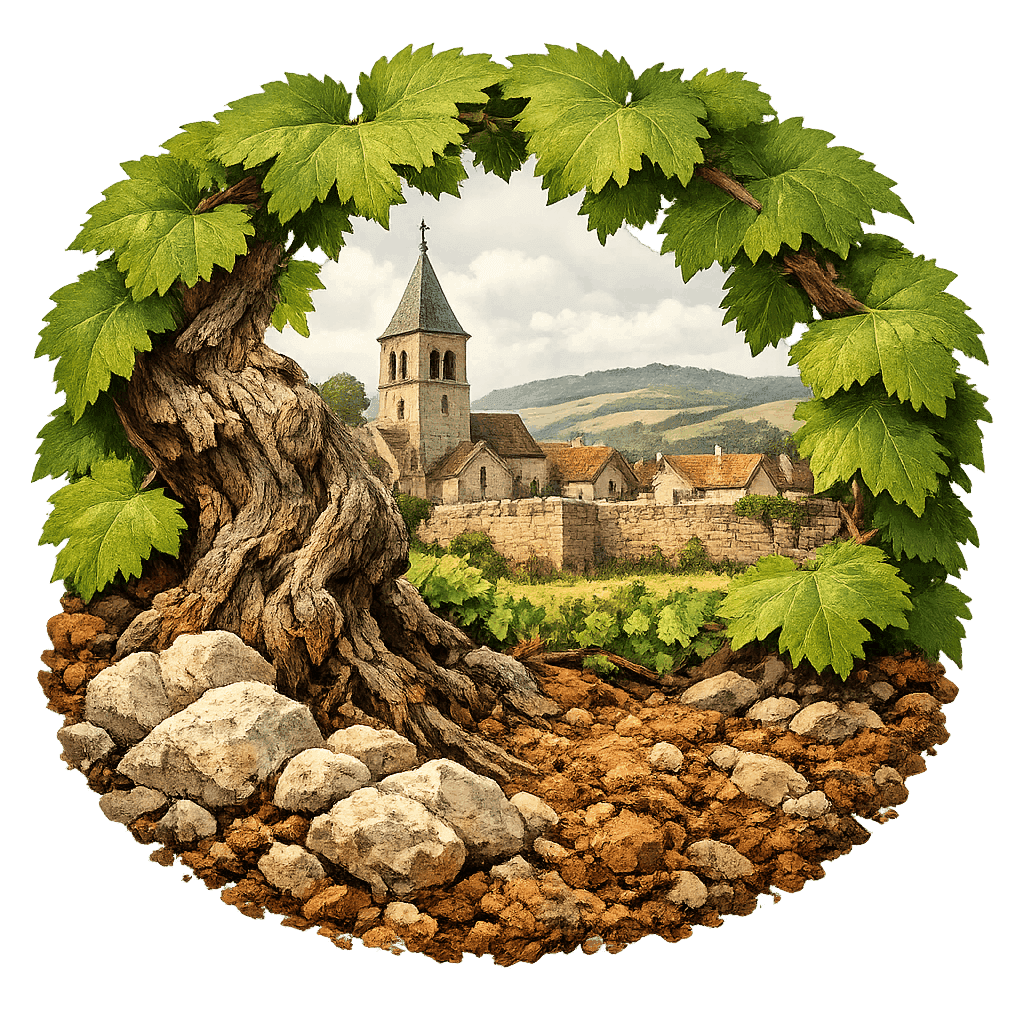
Driving through here feels like entering a fortress of vines. This tiny village is dominated by stone walls, or clos, wrapping around the vineyards like they are protecting state secrets. It is quiet and unassuming, lacking the tourist flash of other spots, but that sleepy atmosphere hides some of the most prestigious dirt in the entire world. It feels like a secret club for people who actually know wine.
Driving through here feels like entering a fortress of vines. This tiny village is dominated by stone walls, or clos, wrapping around the vineyards like they are protecting state secrets. It is quiet and unassuming, lacking the tourist flash of other spots, but that sleepy atmosphere hides some of the most prestigious dirt in the entire world. It feels like a secret club for people who actually know wine.
Driving through here feels like entering a fortress of vines. This tiny village is dominated by stone walls, or clos, wrapping around the vineyards like they are protecting state secrets. It is quiet and unassuming, lacking the tourist flash of other spots, but that sleepy atmosphere hides some of the most prestigious dirt in the entire world. It feels like a secret club for people who actually know wine.
Who's who
Dujac royalty
Monopoly battles
Ponsot power
Domaine Dujac is basically royalty here, turning out wines that people would trade their firstborns for. Clos de Tart defends its true monopoly and Clos des Lambrays rules a nearly-complete empire, while Domaine Ponsot brings the thunder with very old vines. Keep an eye on cooler, smaller growers like Arlaud who are shaking things up with biodynamics and pure energy. It is a mix of ancient money and fresh ambition.
Domaine Dujac is basically royalty here, turning out wines that people would trade their firstborns for. Clos de Tart defends its true monopoly and Clos des Lambrays rules a nearly-complete empire, while Domaine Ponsot brings the thunder with very old vines. Keep an eye on cooler, smaller growers like Arlaud who are shaking things up with biodynamics and pure energy. It is a mix of ancient money and fresh ambition.
Domaine Dujac is basically royalty here, turning out wines that people would trade their firstborns for. Clos de Tart defends its true monopoly and Clos des Lambrays rules a nearly-complete empire, while Domaine Ponsot brings the thunder with very old vines. Keep an eye on cooler, smaller growers like Arlaud who are shaking things up with biodynamics and pure energy. It is a mix of ancient money and fresh ambition.
LOCAL TALES
Nuns With A Plan
Nuns With A Plan
Nuns With A Plan
Let’s rewind nearly nine hundred years to 1141. The Bernardine nuns of the Abbey of Tart decided they needed a vineyard because evidently, praying is thirsty work. They founded Clos de Tart and held onto it until the French Revolution decided to reshuffle the deck. What makes this story bonkers is that in all those centuries, this specific plot of land has never been subdivided. Not once. In Burgundy, where inheriting a row of vines usually involves a family feud and a lawyer, Clos de Tart remains a single block. It is a historical miracle that survived wars, revolutions, and very confusing French inheritance laws without losing a single square meter.
Let’s rewind nearly nine hundred years to 1141. The Bernardine nuns of the Abbey of Tart decided they needed a vineyard because evidently, praying is thirsty work. They founded Clos de Tart and held onto it until the French Revolution decided to reshuffle the deck. What makes this story bonkers is that in all those centuries, this specific plot of land has never been subdivided. Not once. In Burgundy, where inheriting a row of vines usually involves a family feud and a lawyer, Clos de Tart remains a single block. It is a historical miracle that survived wars, revolutions, and very confusing French inheritance laws without losing a single square meter.
Wall To Wall
Wall To Wall
Wall To Wall
If you enjoy staring at masonry, Morey-Saint-Denis is your Disneyland. This place has more 'Clos' - meaning walled vineyards - than seemingly anywhere else nearby. Why all the rocks? Back in the day, monks and nobles wanted to clearly mark what was theirs, mostly to keep livestock out and quality in. Today, these ancient stone perimeters create specific microclimates by trapping heat and blocking wind. It is not just about aesthetics or keeping the neighbors away, those walls act like a thermal blanket for Pinot Noir. Walking the streets feels like navigating a stone maze where the treasure at the center is a very expensive bottle of fermented grape juice.
If you enjoy staring at masonry, Morey-Saint-Denis is your Disneyland. This place has more 'Clos' - meaning walled vineyards - than seemingly anywhere else nearby. Why all the rocks? Back in the day, monks and nobles wanted to clearly mark what was theirs, mostly to keep livestock out and quality in. Today, these ancient stone perimeters create specific microclimates by trapping heat and blocking wind. It is not just about aesthetics or keeping the neighbors away, those walls act like a thermal blanket for Pinot Noir. Walking the streets feels like navigating a stone maze where the treasure at the center is a very expensive bottle of fermented grape juice.
The Imposter Syndrome
The Imposter Syndrome
The Imposter Syndrome
For decades, this village suffered from a serious identity crisis. Before the Appellation d'Origine Contrôlée laws got strict in the 1930s, wines from Morey were often sold under the names of their more famous neighbors, Gevrey or Chambolle. It was the ultimate imposter syndrome. Merchants thought nobody knew where Morey was, so they just labeled it as something easier to sell. It took a long time for the growers to reclaim their name and prove that their dirt was just as noble. Now, with five Grand Crus to its name, the village has finally stepped out of the shadows, effectively telling the rest of the Côte de Nuits to respect the name on the label.
For decades, this village suffered from a serious identity crisis. Before the Appellation d'Origine Contrôlée laws got strict in the 1930s, wines from Morey were often sold under the names of their more famous neighbors, Gevrey or Chambolle. It was the ultimate imposter syndrome. Merchants thought nobody knew where Morey was, so they just labeled it as something easier to sell. It took a long time for the growers to reclaim their name and prove that their dirt was just as noble. Now, with five Grand Crus to its name, the village has finally stepped out of the shadows, effectively telling the rest of the Côte de Nuits to respect the name on the label.
LATEST REVIEWS