«
Alsace
,
France
Mittelbergheim
Sylvaner's Holy Grail
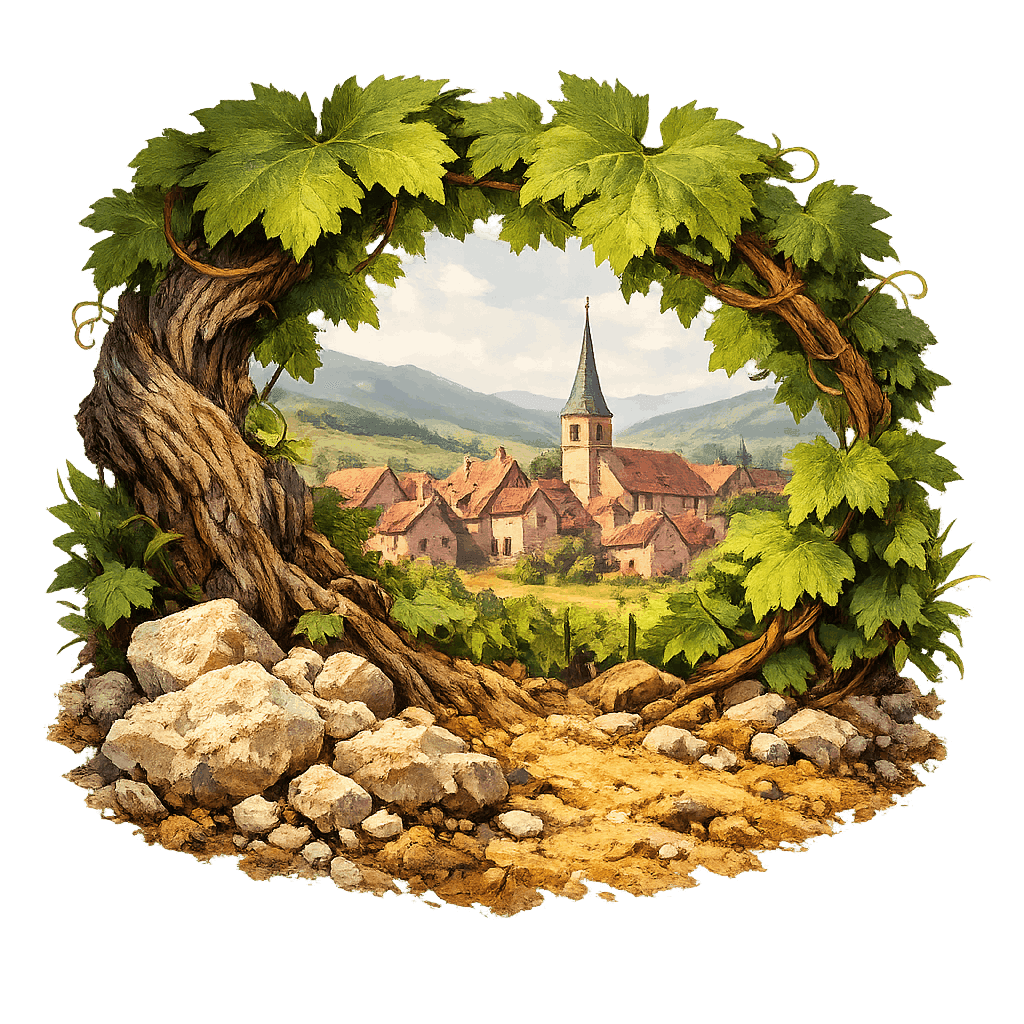
If you think Sylvaner is just a blending filler, prepare to eat your hat. This stunning village houses the only vineyard where this underdog gets full Grand Cru status, proving it deserves the spotlight.
If you think Sylvaner is just a blending filler, prepare to eat your hat. This stunning village houses the only vineyard where this underdog gets full Grand Cru status, proving it deserves the spotlight.
If you think Sylvaner is just a blending filler, prepare to eat your hat. This stunning village houses the only vineyard where this underdog gets full Grand Cru status, proving it deserves the spotlight.

Taste profile
Powerhouse Sylvaner
Limestone grip
Savory finish
Forget everything you know about light, simple whites. Here, Sylvaner muscles up. Thanks to the limestone-rich Zotzenberg soil, wines emerge with surprising weight, dried fruit notes, and a texture that coats your palate. Riesling tends to be broader and more powerful than the steely acid bombs found in cooler sites, offering a savory, almost salty kick that begs for a plate of sausages.
Forget everything you know about light, simple whites. Here, Sylvaner muscles up. Thanks to the limestone-rich Zotzenberg soil, wines emerge with surprising weight, dried fruit notes, and a texture that coats your palate. Riesling tends to be broader and more powerful than the steely acid bombs found in cooler sites, offering a savory, almost salty kick that begs for a plate of sausages.
Forget everything you know about light, simple whites. Here, Sylvaner muscles up. Thanks to the limestone-rich Zotzenberg soil, wines emerge with surprising weight, dried fruit notes, and a texture that coats your palate. Riesling tends to be broader and more powerful than the steely acid bombs found in cooler sites, offering a savory, almost salty kick that begs for a plate of sausages.
The vibe
Pink sandstone
Renaissance architecture
Quiet elegance
Unlike the gingerbread-house cuteness of Colmar, this place is all about serious Renaissance swagger. It is officially ranked as one of the most beautiful villages in France but feels shockingly quiet. You will wander past pink sandstone buildings and ancient oil mills without fighting hordes of tourists with selfie sticks. It is a gastronomic haven where eating choucroute is basically a competitive sport.
Unlike the gingerbread-house cuteness of Colmar, this place is all about serious Renaissance swagger. It is officially ranked as one of the most beautiful villages in France but feels shockingly quiet. You will wander past pink sandstone buildings and ancient oil mills without fighting hordes of tourists with selfie sticks. It is a gastronomic haven where eating choucroute is basically a competitive sport.
Unlike the gingerbread-house cuteness of Colmar, this place is all about serious Renaissance swagger. It is officially ranked as one of the most beautiful villages in France but feels shockingly quiet. You will wander past pink sandstone buildings and ancient oil mills without fighting hordes of tourists with selfie sticks. It is a gastronomic haven where eating choucroute is basically a competitive sport.
Who's who
Domaine Boeckel
Rietsch
Kleinknecht
Boeckel is the big name keeping tradition alive with massive old casks and reliable bottlings. For the cool kids hunting natural wine funk, Jean-Pierre Rietsch is the local wizard turning out experimental cuvées that hipsters in Paris fight over. Kleinknecht is another name to watch if you like your farming biodynamic and your glasses full of energy.
Boeckel is the big name keeping tradition alive with massive old casks and reliable bottlings. For the cool kids hunting natural wine funk, Jean-Pierre Rietsch is the local wizard turning out experimental cuvées that hipsters in Paris fight over. Kleinknecht is another name to watch if you like your farming biodynamic and your glasses full of energy.
Boeckel is the big name keeping tradition alive with massive old casks and reliable bottlings. For the cool kids hunting natural wine funk, Jean-Pierre Rietsch is the local wizard turning out experimental cuvées that hipsters in Paris fight over. Kleinknecht is another name to watch if you like your farming biodynamic and your glasses full of energy.
LOCAL TALES
The Rebellion of the Ugly Duckling
The Rebellion of the Ugly Duckling
The Rebellion of the Ugly Duckling
Classic Grand Cru rules in Alsace allowed only four noble options: Riesling, Pinot Gris, Gewurztraminer, and Muscat. Sylvaner was the ugly duckling, usually banished to generic labeling or liters of cooking wine. But the growers here are stubborn. They argued that on the Zotzenberg hill, Sylvaner behaves like royalty. It took decades of bureaucratic wrestling, tasting panels, and probably a lot of shouting, but in 2005, the authorities finally caved. Zotzenberg became the first and only Grand Cru to legally welcome Sylvaner into the elite club. It is a massive middle finger to wine snobbery and a victory for the underdog.
Classic Grand Cru rules in Alsace allowed only four noble options: Riesling, Pinot Gris, Gewurztraminer, and Muscat. Sylvaner was the ugly duckling, usually banished to generic labeling or liters of cooking wine. But the growers here are stubborn. They argued that on the Zotzenberg hill, Sylvaner behaves like royalty. It took decades of bureaucratic wrestling, tasting panels, and probably a lot of shouting, but in 2005, the authorities finally caved. Zotzenberg became the first and only Grand Cru to legally welcome Sylvaner into the elite club. It is a massive middle finger to wine snobbery and a victory for the underdog.
Not Your Disney Village
Not Your Disney Village
Not Your Disney Village
Most tourists flock to Riquewihr or Eguisheim for that half-timbered, fairy-tale aesthetic that looks like it was designed by Walt Disney. Mittelbergheim refuses to play that game. This village is built from pink sandstone in a distinct German Renaissance style. It feels more grounded, agricultural, and frankly, richer. While other towns focus on souvenir shops selling stork plushies, this place focuses on drinking. Practically every other house is a winery offering tastings. The locals take immense pride in being a 'Plus Beaux Villages de France' member that hasn't sold its soul to mass tourism. It is authentic, slightly severe, and utterly charming.
Most tourists flock to Riquewihr or Eguisheim for that half-timbered, fairy-tale aesthetic that looks like it was designed by Walt Disney. Mittelbergheim refuses to play that game. This village is built from pink sandstone in a distinct German Renaissance style. It feels more grounded, agricultural, and frankly, richer. While other towns focus on souvenir shops selling stork plushies, this place focuses on drinking. Practically every other house is a winery offering tastings. The locals take immense pride in being a 'Plus Beaux Villages de France' member that hasn't sold its soul to mass tourism. It is authentic, slightly severe, and utterly charming.
The Laboratory of Funk
The Laboratory of Funk
The Laboratory of Funk
Something strange is happening in these cellars. While the village looks traditional on the surface, it has become an unexpected laboratory for the avant-garde. Winemakers like the Rietsch family have turned this quiet spot into a pilgrimage site for the natural wine crowd. We are talking orange wines, solera systems, and zero-sulfur bottling that would make a conventional oenologist faint. It is a fascinating contrast: you walk down a street that hasn't changed since the 17th century, enter a cellar, and taste a cloudy, skin-contact Sylvaner that tastes like the future of viticulture. It is proof that old stones can learn new tricks.
Something strange is happening in these cellars. While the village looks traditional on the surface, it has become an unexpected laboratory for the avant-garde. Winemakers like the Rietsch family have turned this quiet spot into a pilgrimage site for the natural wine crowd. We are talking orange wines, solera systems, and zero-sulfur bottling that would make a conventional oenologist faint. It is a fascinating contrast: you walk down a street that hasn't changed since the 17th century, enter a cellar, and taste a cloudy, skin-contact Sylvaner that tastes like the future of viticulture. It is proof that old stones can learn new tricks.
LOCAL WINE STYLES
Alsace Aromatic White
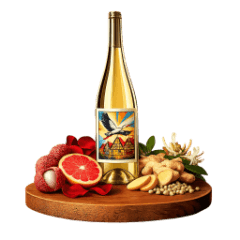
Get ready for a sensory overload because these bottles pack a nose full of flowers and exotic spices. It feels like someone bottled a spring meadow and tossed in some lychees just for kicks.
Get ready for a sensory overload because these bottles pack a nose full of flowers and exotic spices. It feels like someone bottled a spring meadow and tossed in some lychees just for kicks.
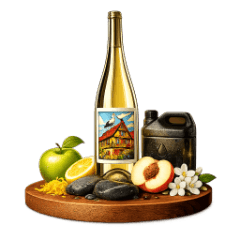
Alsace Riesling
Imagine biting into a crisp apple while standing near a clean highway. This isn't sweet juice like its German cousins often are. It is bone-dry, razor-sharp, and packs a mineral punch that wakes up your palate instantly.
Imagine biting into a crisp apple while standing near a clean highway. This isn't sweet juice like its German cousins often are. It is bone-dry, razor-sharp, and packs a mineral punch that wakes up your palate instantly.
LATEST REVIEWS