«
Colchagua Valley
,
Chile

Marchigüe
Windy Cowboy Country
If Apalta is the posh lounge, Marchigüe is where the rodeo happens. Positioned closer to the ocean, this zone offers wind-whipped vines and intense sun, crafting reds that wear leather jackets and smell like sea salt.
If Apalta is the posh lounge, Marchigüe is where the rodeo happens. Positioned closer to the ocean, this zone offers wind-whipped vines and intense sun, crafting reds that wear leather jackets and smell like sea salt.
If Apalta is the posh lounge, Marchigüe is where the rodeo happens. Positioned closer to the ocean, this zone offers wind-whipped vines and intense sun, crafting reds that wear leather jackets and smell like sea salt.




Taste profile
Savory Syrah
High acid
Thick skins
Syrah completely dominates the conversation here, often showing up with meaty, savory attitude and cracked pepper notes. Because of that chilly ocean breeze, Carmenere and Cabernet Sauvignon retain biting acidity while developing thick skins. Drinkers should prepare for power that feels athletic rather than heavy. It is like biting into a ripe berry while standing in a wind tunnel.
Syrah completely dominates the conversation here, often showing up with meaty, savory attitude and cracked pepper notes. Because of that chilly ocean breeze, Carmenere and Cabernet Sauvignon retain biting acidity while developing thick skins. Drinkers should prepare for power that feels athletic rather than heavy. It is like biting into a ripe berry while standing in a wind tunnel.
Syrah completely dominates the conversation here, often showing up with meaty, savory attitude and cracked pepper notes. Because of that chilly ocean breeze, Carmenere and Cabernet Sauvignon retain biting acidity while developing thick skins. Drinkers should prepare for power that feels athletic rather than heavy. It is like biting into a ripe berry while standing in a wind tunnel.
The vibe
Coastal breeze
Rustic charm
Granite soil
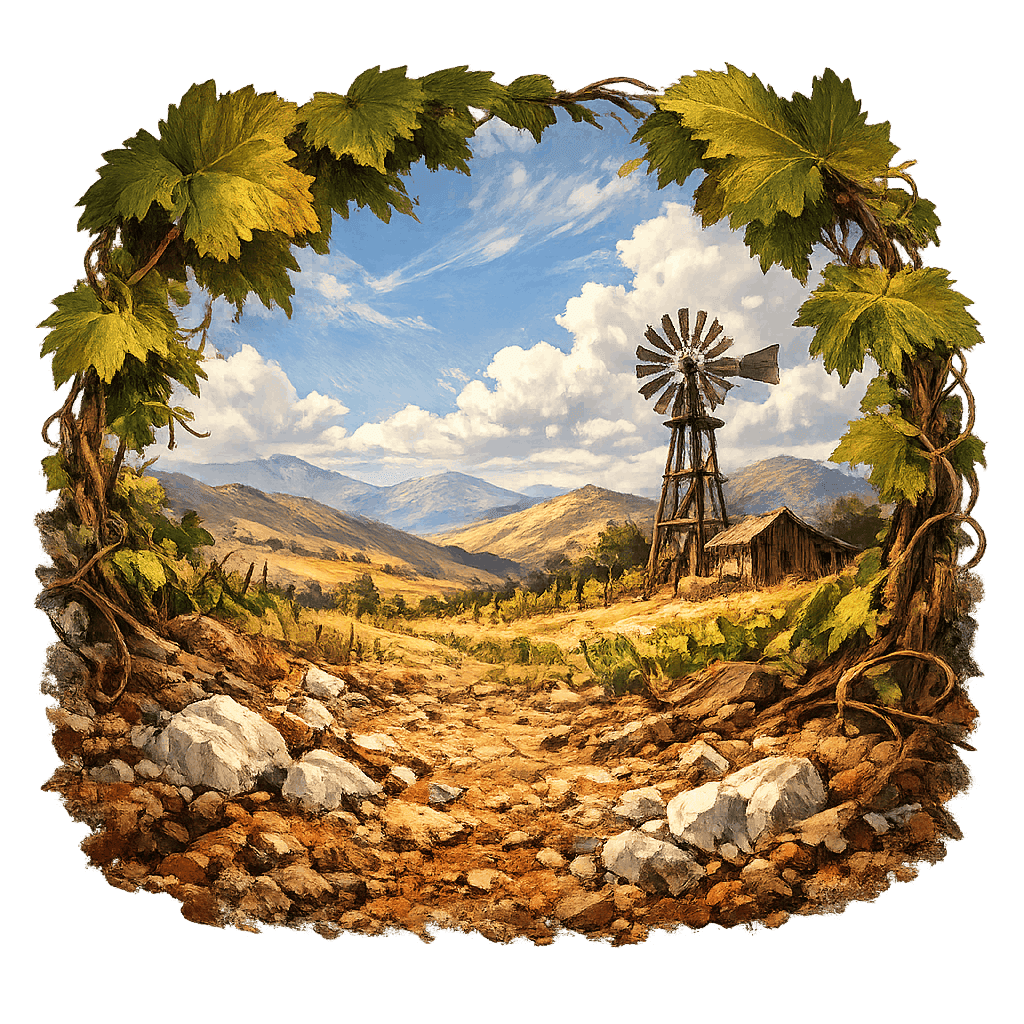
Picture dusty boots, endless rows of windmills fighting the breeze, and authentic Chilean huasos riding horses through the vineyards. We are way out west in Colchagua, just eighteen miles from the Pacific. It feels arid and rugged, a place where vines have to struggle for survival in granitic dirt. This isn't manicured luxury - it is beautiful, raw farming.
Picture dusty boots, endless rows of windmills fighting the breeze, and authentic Chilean huasos riding horses through the vineyards. We are way out west in Colchagua, just eighteen miles from the Pacific. It feels arid and rugged, a place where vines have to struggle for survival in granitic dirt. This isn't manicured luxury - it is beautiful, raw farming.
Picture dusty boots, endless rows of windmills fighting the breeze, and authentic Chilean huasos riding horses through the vineyards. We are way out west in Colchagua, just eighteen miles from the Pacific. It feels arid and rugged, a place where vines have to struggle for survival in granitic dirt. This isn't manicured luxury - it is beautiful, raw farming.
Who's who
Montes
Polkura
Viu Manent
Montes pioneered this area, crafting his icon Cabernet 'Taita' from these ancient soils. But for Syrah, the true heavyweight is Polkura, a project entirely dedicated to the specific hill of the same name. Viu Manent also sources killer fruit here. It is mostly big names buying land, but specialized labels are defining the terroir.
Montes pioneered this area, crafting his icon Cabernet 'Taita' from these ancient soils. But for Syrah, the true heavyweight is Polkura, a project entirely dedicated to the specific hill of the same name. Viu Manent also sources killer fruit here. It is mostly big names buying land, but specialized labels are defining the terroir.
Montes pioneered this area, crafting his icon Cabernet 'Taita' from these ancient soils. But for Syrah, the true heavyweight is Polkura, a project entirely dedicated to the specific hill of the same name. Viu Manent also sources killer fruit here. It is mostly big names buying land, but specialized labels are defining the terroir.
LOCAL TALES
From Sheep to Syrah
From Sheep to Syrah
From Sheep to Syrah
Long before anyone thought to plant Syrah, Marchigüe was considered somewhat of a wasteland for serious agriculture. The name itself comes from the indigenous Mapudungun language, roughly translating to places where the wind whistles. For centuries, this was dry coastal range territory used mostly for grazing hardy sheep and growing wheat that relied entirely on winter rains. Local farmers assumed it was too arid for high-end fruit. It wasn't until the late 1990s when pioneers realized that those cooling breezes were actually a goldmine for slowing down ripening. They dug deep wells, installed drip irrigation, and suddenly, the sheep pastures transformed into one of the most exciting red wine frontiers in the Southern Hemisphere.
Long before anyone thought to plant Syrah, Marchigüe was considered somewhat of a wasteland for serious agriculture. The name itself comes from the indigenous Mapudungun language, roughly translating to places where the wind whistles. For centuries, this was dry coastal range territory used mostly for grazing hardy sheep and growing wheat that relied entirely on winter rains. Local farmers assumed it was too arid for high-end fruit. It wasn't until the late 1990s when pioneers realized that those cooling breezes were actually a goldmine for slowing down ripening. They dug deep wells, installed drip irrigation, and suddenly, the sheep pastures transformed into one of the most exciting red wine frontiers in the Southern Hemisphere.
The Invisible Pruner
The Invisible Pruner
The Invisible Pruner
You cannot talk about this place without mentioning the invisible hand that shapes every single bottle - the wind. The Humboldt Current sends cold air rushing off the Pacific Ocean, hitting the coastal range with serious force. In the afternoons, it gets so blustery that you might lose your hat if you aren't careful. This isn't just annoying weather - it acts as a natural air conditioner. It shuts down the photosynthesis of the vines early in the day, preserving acidity and thickening the skins of the berries as a defense mechanism. Winemakers love it because it acts as a natural fungicide, keeping rot away, but the vines definitely have to work up a sweat to survive the gale.
You cannot talk about this place without mentioning the invisible hand that shapes every single bottle - the wind. The Humboldt Current sends cold air rushing off the Pacific Ocean, hitting the coastal range with serious force. In the afternoons, it gets so blustery that you might lose your hat if you aren't careful. This isn't just annoying weather - it acts as a natural air conditioner. It shuts down the photosynthesis of the vines early in the day, preserving acidity and thickening the skins of the berries as a defense mechanism. Winemakers love it because it acts as a natural fungicide, keeping rot away, but the vines definitely have to work up a sweat to survive the gale.
The Secret of the Yellow Stone
The Secret of the Yellow Stone
The Secret of the Yellow Stone
While big wineries bought up flat grazing land, winemaker Sven Bruchfeld hunted for a specific geological anomaly. He found a neglected hill named Polkura—'Yellow Stone' in Mapudungun—littered with decomposed granite. Locals saw a scrubby mound, but Sven saw a goldmine for Syrah. He planted the steep slopes in 2002, gambling that the rocky soil and cold ocean wind would create magic. Today, that singular hill produces some of the most acclaimed reds in Chile, proving the 'yellow stone' was the true treasure all along.
While big wineries bought up flat grazing land, winemaker Sven Bruchfeld hunted for a specific geological anomaly. He found a neglected hill named Polkura—'Yellow Stone' in Mapudungun—littered with decomposed granite. Locals saw a scrubby mound, but Sven saw a goldmine for Syrah. He planted the steep slopes in 2002, gambling that the rocky soil and cold ocean wind would create magic. Today, that singular hill produces some of the most acclaimed reds in Chile, proving the 'yellow stone' was the true treasure all along.
LOCAL WINE STYLES
Chilean Cabernet Sauvignon
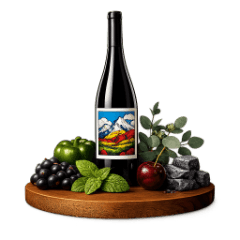
Imagine sipping a glass of bold dark fruit while standing in a eucalyptus forest. It brings serious structure without the hefty price tag found in Napa, mixing savory green pepper notes with ripe blackcurrants effortlessly.
Imagine sipping a glass of bold dark fruit while standing in a eucalyptus forest. It brings serious structure without the hefty price tag found in Napa, mixing savory green pepper notes with ripe blackcurrants effortlessly.
Chilean Carménère
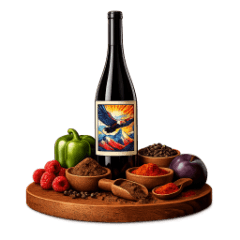
Once thought extinct in Europe, this red found a secret hideout in South America. It is famous for mixing savory herbal notes with plush red fruit, making it the ultimate barbecue wingman for veggies and meats alike.
Once thought extinct in Europe, this red found a secret hideout in South America. It is famous for mixing savory herbal notes with plush red fruit, making it the ultimate barbecue wingman for veggies and meats alike.
LATEST REVIEWS