«
La Mancha
,
Spain

Manchuela
Bobal's Breezy Backyard
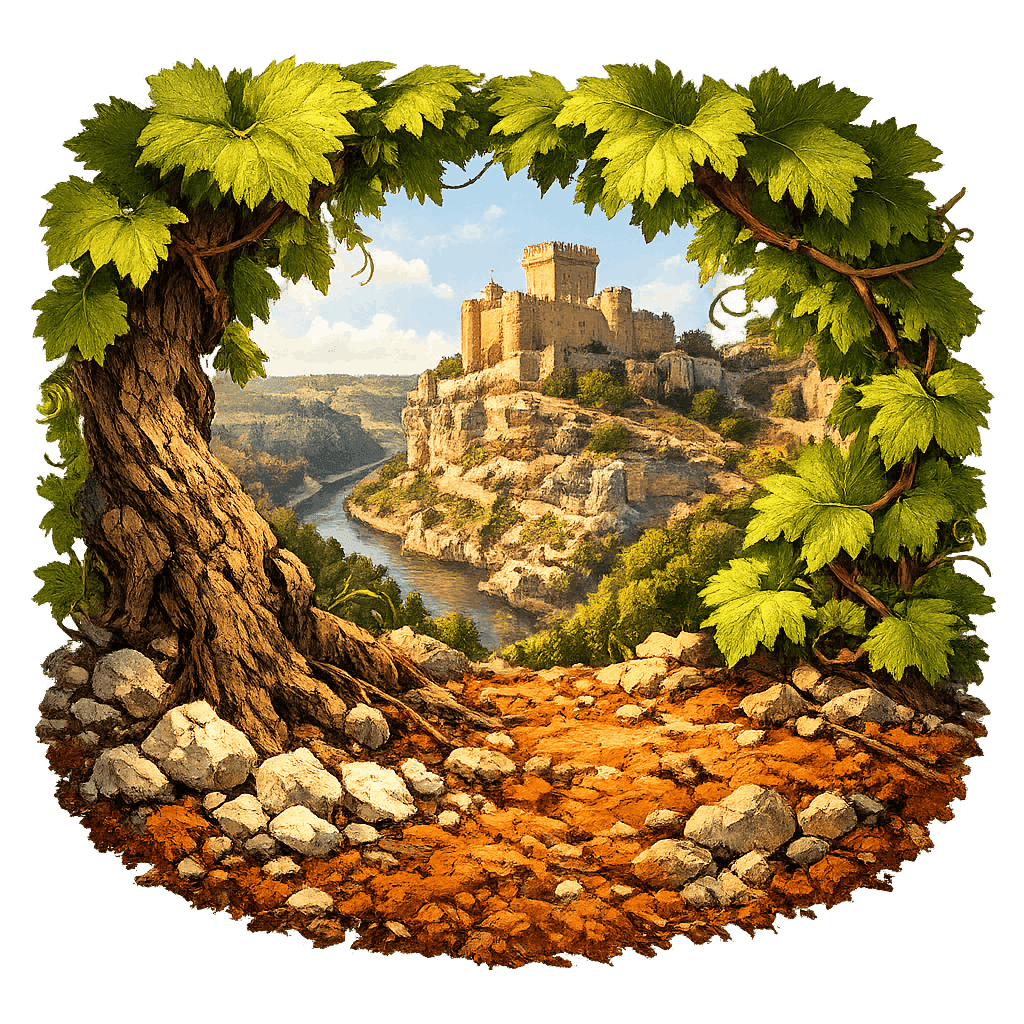
Tucked between the scorching central plains and the Mediterranean sea, this area enjoys a lucky geography. Cool winds from the coast temper the heat, creating a perfect haven for old bush vines to thrive comfortably.
Tucked between the scorching central plains and the Mediterranean sea, this area enjoys a lucky geography. Cool winds from the coast temper the heat, creating a perfect haven for old bush vines to thrive comfortably.
Tucked between the scorching central plains and the Mediterranean sea, this area enjoys a lucky geography. Cool winds from the coast temper the heat, creating a perfect haven for old bush vines to thrive comfortably.






Taste profile
Juicy Raspberry
Fresh Acidity
Dusty Earth
Bobal reigns supreme here and it is not shy about it. Expect juicy explosions of raspberry and strawberry with a surprisingly fresh kick of acidity thanks to that elevation. These reds are punchy but approachable, often showing a dusty earthiness that screams Spain. White wines made from Macabeo offer a crisp, floral cleanse for your palate if you need a break from the red party.
Bobal reigns supreme here and it is not shy about it. Expect juicy explosions of raspberry and strawberry with a surprisingly fresh kick of acidity thanks to that elevation. These reds are punchy but approachable, often showing a dusty earthiness that screams Spain. White wines made from Macabeo offer a crisp, floral cleanse for your palate if you need a break from the red party.
Bobal reigns supreme here and it is not shy about it. Expect juicy explosions of raspberry and strawberry with a surprisingly fresh kick of acidity thanks to that elevation. These reds are punchy but approachable, often showing a dusty earthiness that screams Spain. White wines made from Macabeo offer a crisp, floral cleanse for your palate if you need a break from the red party.
The vibe
River Valleys
Constant Breeze
Honest Farming
Getting here feels like stumbling upon a secret oasis. The Júcar and Cabriel rivers carve deep valleys through the limestone and clay, offering a dramatic visual break from the flat monotony of the massive plateau next door. It feels agricultural and honest, with a constant breeze blowing through the vineyards that keeps everything healthy without needing much chemical intervention. It is nature doing the heavy lifting.
Getting here feels like stumbling upon a secret oasis. The Júcar and Cabriel rivers carve deep valleys through the limestone and clay, offering a dramatic visual break from the flat monotony of the massive plateau next door. It feels agricultural and honest, with a constant breeze blowing through the vineyards that keeps everything healthy without needing much chemical intervention. It is nature doing the heavy lifting.
Getting here feels like stumbling upon a secret oasis. The Júcar and Cabriel rivers carve deep valleys through the limestone and clay, offering a dramatic visual break from the flat monotony of the massive plateau next door. It feels agricultural and honest, with a constant breeze blowing through the vineyards that keeps everything healthy without needing much chemical intervention. It is nature doing the heavy lifting.
Who's who
Football Star
Bodega Ponce
Family Estates
You might recognize a certain football legend named Andrés Iniesta who turned his hometown passion into a serious winery here. But the real wine geeks bow down to Juan Antonio Ponce, a wizard who single-handedly proved Bobal could make world-class, elegant wines instead of just bulk juice. Smaller family bodegas are popping up everywhere, shifting the focus from massive cooperatives to distinct, terroir-driven bottling that demands respect.
You might recognize a certain football legend named Andrés Iniesta who turned his hometown passion into a serious winery here. But the real wine geeks bow down to Juan Antonio Ponce, a wizard who single-handedly proved Bobal could make world-class, elegant wines instead of just bulk juice. Smaller family bodegas are popping up everywhere, shifting the focus from massive cooperatives to distinct, terroir-driven bottling that demands respect.
You might recognize a certain football legend named Andrés Iniesta who turned his hometown passion into a serious winery here. But the real wine geeks bow down to Juan Antonio Ponce, a wizard who single-handedly proved Bobal could make world-class, elegant wines instead of just bulk juice. Smaller family bodegas are popping up everywhere, shifting the focus from massive cooperatives to distinct, terroir-driven bottling that demands respect.
LOCAL TALES
From Bulk to Beauty
From Bulk to Beauty
From Bulk to Beauty
In the days of yore, big wine regions looked down on this area as nothing more than a color factory. Bobal has thick skins and produces intense pigment, so tankers were sent north to beef up lighter wines elsewhere. For decades, farmers were paid by weight, not quality, encouraging them to treat vines like factories. But the joke is on the snobs now. Those neglected bush vines grew old and gnarly, developing deep root systems that now produce incredibly complex fruit. What was once dismissed as bulk fodder is now the region's golden ticket to stardom, proving that patience really does pay off in the end.
In the days of yore, big wine regions looked down on this area as nothing more than a color factory. Bobal has thick skins and produces intense pigment, so tankers were sent north to beef up lighter wines elsewhere. For decades, farmers were paid by weight, not quality, encouraging them to treat vines like factories. But the joke is on the snobs now. Those neglected bush vines grew old and gnarly, developing deep root systems that now produce incredibly complex fruit. What was once dismissed as bulk fodder is now the region's golden ticket to stardom, proving that patience really does pay off in the end.
The Midfield Maestro
The Midfield Maestro
The Midfield Maestro
It is not every day a World Cup winner decides to tackle the wine industry, but Andrés Iniesta did exactly that. Born in the tiny village of Fuentealbilla, the midfield maestro poured his earnings into Bodega Iniesta rather than buying a private island. It is not just a vanity project with a famous name slapped on the label - the winery is massive and serious about showcasing local terroir. Tourists flock here hoping for a glimpse of the star, but they stay for the surprisingly solid reds. It turns out scoring the winning goal in a World Cup final requires the same precision as crafting a balanced Bobal.
It is not every day a World Cup winner decides to tackle the wine industry, but Andrés Iniesta did exactly that. Born in the tiny village of Fuentealbilla, the midfield maestro poured his earnings into Bodega Iniesta rather than buying a private island. It is not just a vanity project with a famous name slapped on the label - the winery is massive and serious about showcasing local terroir. Tourists flock here hoping for a glimpse of the star, but they stay for the surprisingly solid reds. It turns out scoring the winning goal in a World Cup final requires the same precision as crafting a balanced Bobal.
The Ink of Legend
The Ink of Legend
The Ink of Legend
Historically, locals practiced a bizarre winemaking technique called 'doble pasta' or double pulp. They would crush grapes, take out the liquid juice to make rosé, and then leave the skins behind. Then, they would add more crushed grapes to those leftover skins to ferment. The result was a red wine with double the skins and double the color - basically ink in a glass. While modern winemakers favor elegance over brute force today, this history explains why local wines have such incredible structure. If you find an old-school bottle made this way, bring a spoon, because you might almost need to chew it.
Historically, locals practiced a bizarre winemaking technique called 'doble pasta' or double pulp. They would crush grapes, take out the liquid juice to make rosé, and then leave the skins behind. Then, they would add more crushed grapes to those leftover skins to ferment. The result was a red wine with double the skins and double the color - basically ink in a glass. While modern winemakers favor elegance over brute force today, this history explains why local wines have such incredible structure. If you find an old-school bottle made this way, bring a spoon, because you might almost need to chew it.
LATEST REVIEWS