«
Burgundy
,
France

Mâcon-Villages
Reliable Chardonnay Source
Step up your game from the basic regional label because this classification covers specific communes deemed superior for white wine production. It is essentially the sweet spot for finding that crisp, delicious white Burgundy without needing a second mortgage.
Step up your game from the basic regional label because this classification covers specific communes deemed superior for white wine production. It is essentially the sweet spot for finding that crisp, delicious white Burgundy without needing a second mortgage.
Step up your game from the basic regional label because this classification covers specific communes deemed superior for white wine production. It is essentially the sweet spot for finding that crisp, delicious white Burgundy without needing a second mortgage.
LEADERS

Taste profile
Ripe citrus
Acacia flowers
Round texture
Your glass will likely overflow with ripe citrus, yellow apple, and a charming touch of acacia flower. Winemakers here love showing off Chardonnay in its purest form, often avoiding heavy oak to keep things zippy and refreshing. It is basically sunshine bottled up for a rainy day, offering a rounder texture than Chablis but keeping enough acid to wake up your palate and demand another sip.
Your glass will likely overflow with ripe citrus, yellow apple, and a charming touch of acacia flower. Winemakers here love showing off Chardonnay in its purest form, often avoiding heavy oak to keep things zippy and refreshing. It is basically sunshine bottled up for a rainy day, offering a rounder texture than Chablis but keeping enough acid to wake up your palate and demand another sip.
Your glass will likely overflow with ripe citrus, yellow apple, and a charming touch of acacia flower. Winemakers here love showing off Chardonnay in its purest form, often avoiding heavy oak to keep things zippy and refreshing. It is basically sunshine bottled up for a rainy day, offering a rounder texture than Chablis but keeping enough acid to wake up your palate and demand another sip.
The vibe
Limestone hills
Warmer climate
Rustic charm
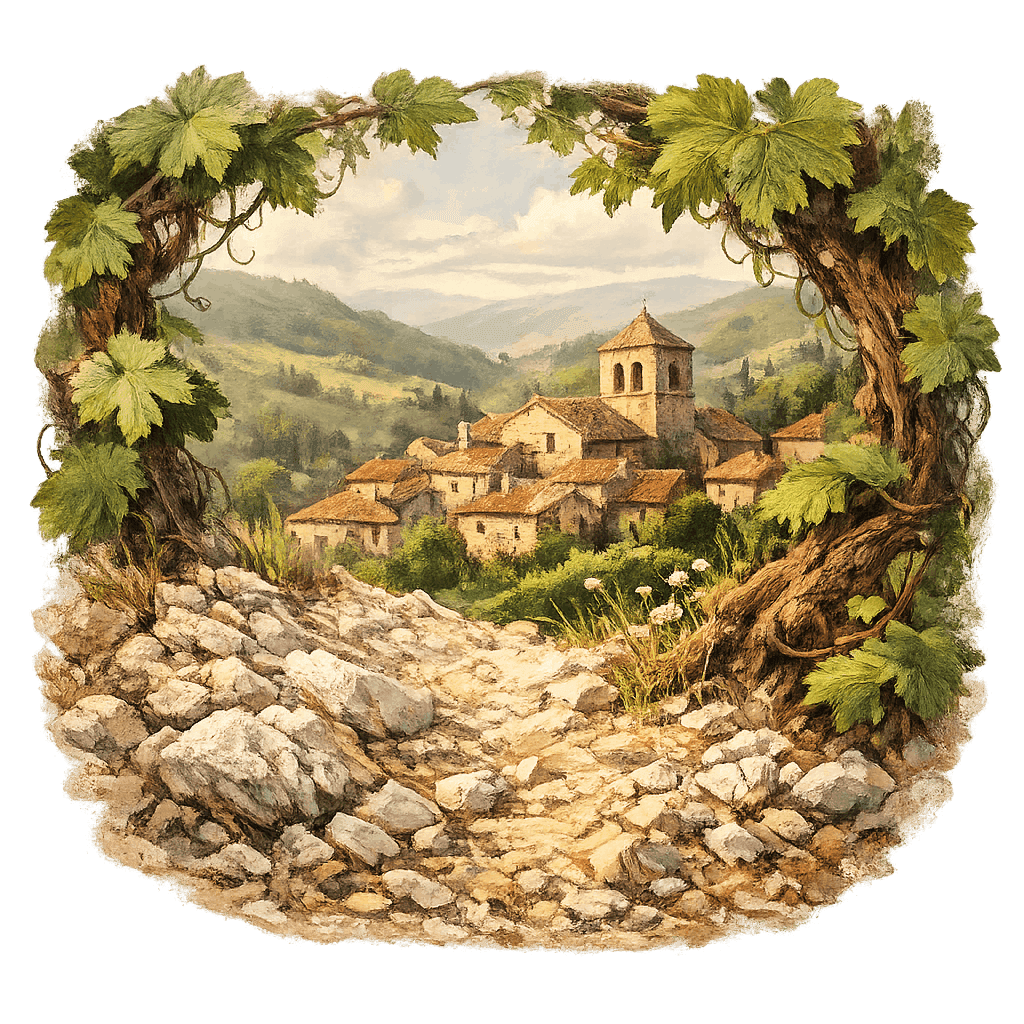
Southern Burgundy feels like the Mediterranean is knocking on the door with its limestone escarpments and notably warmer sun. Life moves slower in these specific communes, where cows graze happily next to the rows of fruit. It is less about snobby exclusivity and more about hearty lunches, rolling green landscapes, and farmers who actually drive their own tractors rather than posing for glossy lifestyle magazines.
Southern Burgundy feels like the Mediterranean is knocking on the door with its limestone escarpments and notably warmer sun. Life moves slower in these specific communes, where cows graze happily next to the rows of fruit. It is less about snobby exclusivity and more about hearty lunches, rolling green landscapes, and farmers who actually drive their own tractors rather than posing for glossy lifestyle magazines.
Southern Burgundy feels like the Mediterranean is knocking on the door with its limestone escarpments and notably warmer sun. Life moves slower in these specific communes, where cows graze happily next to the rows of fruit. It is less about snobby exclusivity and more about hearty lunches, rolling green landscapes, and farmers who actually drive their own tractors rather than posing for glossy lifestyle magazines.
Who's who
Cave de Lugny
Comte Lafon
Bret Brothers
Cooperatives rule the roost in this neck of the woods, with the massive Cave de Lugny producing a significant amount of reliable juice found on shelves globally. However, keep an eye out for independent superstars like the Héritiers du Comte Lafon and the Bret Brothers, who saw potential here early on and raised the bar, proving that these humble villages can produce serious, terroir-driven stunners that rival the north.
Cooperatives rule the roost in this neck of the woods, with the massive Cave de Lugny producing a significant amount of reliable juice found on shelves globally. However, keep an eye out for independent superstars like the Héritiers du Comte Lafon and the Bret Brothers, who saw potential here early on and raised the bar, proving that these humble villages can produce serious, terroir-driven stunners that rival the north.
Cooperatives rule the roost in this neck of the woods, with the massive Cave de Lugny producing a significant amount of reliable juice found on shelves globally. However, keep an eye out for independent superstars like the Héritiers du Comte Lafon and the Bret Brothers, who saw potential here early on and raised the bar, proving that these humble villages can produce serious, terroir-driven stunners that rival the north.
LOCAL TALES
The White Wine Only Club
The White Wine Only Club
The White Wine Only Club
There is a funny bureaucratic quirk that often trips up visitors and seasoned drinkers alike. If you pick up a bottle labeled Mâcon-Villages, you can bet your bottom dollar it is white wine made from Chardonnay. That is the law. Even though Gamay grows happily in the region, it is strictly forbidden from wearing this specific badge of honor. If a winemaker produces red wine in these same designated zones, it gets demoted to a simpler label or has to list the specific village name attached to Mâcon. It seems the authorities decided long ago that this particular designation was reserved exclusively for the gold stuff, leaving the reds to find their own identity elsewhere.
There is a funny bureaucratic quirk that often trips up visitors and seasoned drinkers alike. If you pick up a bottle labeled Mâcon-Villages, you can bet your bottom dollar it is white wine made from Chardonnay. That is the law. Even though Gamay grows happily in the region, it is strictly forbidden from wearing this specific badge of honor. If a winemaker produces red wine in these same designated zones, it gets demoted to a simpler label or has to list the specific village name attached to Mâcon. It seems the authorities decided long ago that this particular designation was reserved exclusively for the gold stuff, leaving the reds to find their own identity elsewhere.
Safety in Numbers
Safety in Numbers
Safety in Numbers
History took a wild turn here during the economic struggles of the early 20th century. Following the devastation of phylloxera and World War I, small family farmers found themselves completely broke and unable to afford the equipment to make wine individually. Instead of giving up, they banded together to form cooperatives. This wasn't just a trend - it became the backbone of the entire sub-region. Today, these institutions, like the one in Lugny created in the 1920s, still control a massive chunk of production. While some snobs turn their noses up at co-ops, these organizations literally saved the vineyards from abandonment and kept the local economy alive when the fancy folks in the Côte d'Or were struggling too.
History took a wild turn here during the economic struggles of the early 20th century. Following the devastation of phylloxera and World War I, small family farmers found themselves completely broke and unable to afford the equipment to make wine individually. Instead of giving up, they banded together to form cooperatives. This wasn't just a trend - it became the backbone of the entire sub-region. Today, these institutions, like the one in Lugny created in the 1920s, still control a massive chunk of production. While some snobs turn their noses up at co-ops, these organizations literally saved the vineyards from abandonment and kept the local economy alive when the fancy folks in the Côte d'Or were struggling too.
The Northern Invasion
The Northern Invasion
The Northern Invasion
For decades, this area was viewed as a simple reservoir for bistro wine, unworthy of serious attention. That narrative crumbled in 1999 when Dominique Lafon, a legendary winemaker from Meursault (where bottles cost a fortune), decided to head south. People thought he had lost his mind buying land in the Mâconnais. But he saw limestone soils that looked suspiciously similar to the expensive plots back home. He launched Les Héritiers du Comte Lafon and started treating the farming with biodynamic rigor. Suddenly, the wine world woke up. If a master of Meursault believed in this dirt, maybe the rest of us had been underestimating these sunny hills all along.
For decades, this area was viewed as a simple reservoir for bistro wine, unworthy of serious attention. That narrative crumbled in 1999 when Dominique Lafon, a legendary winemaker from Meursault (where bottles cost a fortune), decided to head south. People thought he had lost his mind buying land in the Mâconnais. But he saw limestone soils that looked suspiciously similar to the expensive plots back home. He launched Les Héritiers du Comte Lafon and started treating the farming with biodynamic rigor. Suddenly, the wine world woke up. If a master of Meursault believed in this dirt, maybe the rest of us had been underestimating these sunny hills all along.
LATEST REVIEWS