«
Central Coast
,
California

Livermore Valley
East Bay Elder
Believe it or not, this spot was making noise way before Napa was even a glint in a tourist's eye. It is an OG California wine hub that accidentally got surrounded by commuter traffic and office parks.
Believe it or not, this spot was making noise way before Napa was even a glint in a tourist's eye. It is an OG California wine hub that accidentally got surrounded by commuter traffic and office parks.
Believe it or not, this spot was making noise way before Napa was even a glint in a tourist's eye. It is an OG California wine hub that accidentally got surrounded by commuter traffic and office parks.
LEADERS

Taste profile
Bold Reds
Tropical Whites
Gravelly Texture
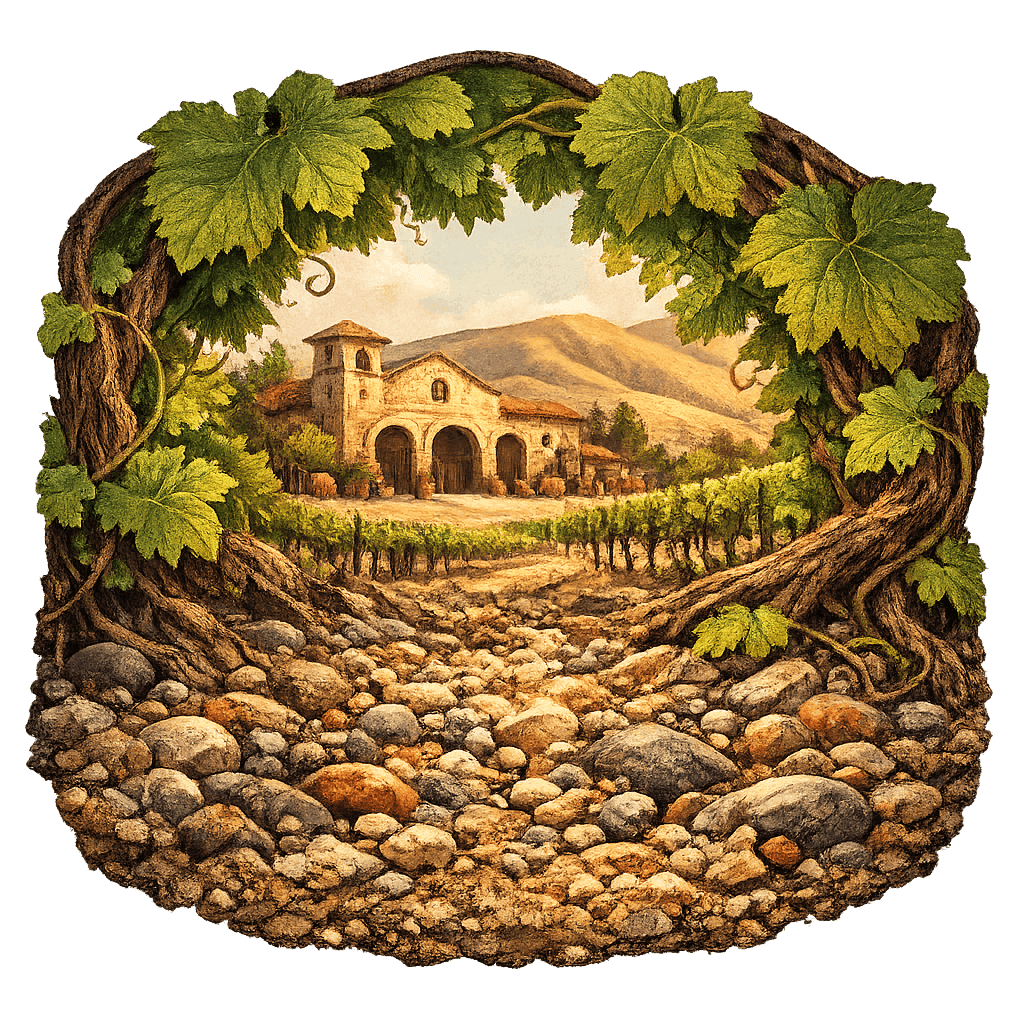
If you dig bold Cabernet Sauvignon that hits the gym but still loves poetry, you are home. The gravelly soils here give Sauvignon Blanc a tropical kick while Petite Sirah shows up ready to stain your teeth purple. Winemakers here aren't chasing trends - they are doubling down on rich, structured reds and creamy Chardonnay that demand a steak dinner.
If you dig bold Cabernet Sauvignon that hits the gym but still loves poetry, you are home. The gravelly soils here give Sauvignon Blanc a tropical kick while Petite Sirah shows up ready to stain your teeth purple. Winemakers here aren't chasing trends - they are doubling down on rich, structured reds and creamy Chardonnay that demand a steak dinner.
If you dig bold Cabernet Sauvignon that hits the gym but still loves poetry, you are home. The gravelly soils here give Sauvignon Blanc a tropical kick while Petite Sirah shows up ready to stain your teeth purple. Winemakers here aren't chasing trends - they are doubling down on rich, structured reds and creamy Chardonnay that demand a steak dinner.
The vibe
Tech Meets Vines
Windy Afternoons
Suburban History
Imagine driving past a particle accelerator lab and suddenly hitting rows of ancient vines. It is where high-tech science meets old-school agriculture. The Livermore heat gets tempered by a daily afternoon breeze that locals swear by, turning what could be an oven into a perfect ripening zone. It feels like a backyard barbecue hosted by a wine historian.
Imagine driving past a particle accelerator lab and suddenly hitting rows of ancient vines. It is where high-tech science meets old-school agriculture. The Livermore heat gets tempered by a daily afternoon breeze that locals swear by, turning what could be an oven into a perfect ripening zone. It feels like a backyard barbecue hosted by a wine historian.
Imagine driving past a particle accelerator lab and suddenly hitting rows of ancient vines. It is where high-tech science meets old-school agriculture. The Livermore heat gets tempered by a daily afternoon breeze that locals swear by, turning what could be an oven into a perfect ripening zone. It feels like a backyard barbecue hosted by a wine historian.
Who's who
Historic Giants
Clone Kings
Boutique Rebels
You cannot talk about this place without bending the knee to Wente and Concannon, the absolute titans who practically invented American Chardonnay and Cabernet clones. But look past the giants to find players like Nottingham or Steven Kent, who are proving there is plenty of room for boutique craftsmanship alongside the historic heavyweights. It is a mix of dynasties and disruptors.
You cannot talk about this place without bending the knee to Wente and Concannon, the absolute titans who practically invented American Chardonnay and Cabernet clones. But look past the giants to find players like Nottingham or Steven Kent, who are proving there is plenty of room for boutique craftsmanship alongside the historic heavyweights. It is a mix of dynasties and disruptors.
You cannot talk about this place without bending the knee to Wente and Concannon, the absolute titans who practically invented American Chardonnay and Cabernet clones. But look past the giants to find players like Nottingham or Steven Kent, who are proving there is plenty of room for boutique craftsmanship alongside the historic heavyweights. It is a mix of dynasties and disruptors.
LOCAL TALES
The Holy Loophole
The Holy Loophole
The Holy Loophole
While everyone else was tearing out vines during Prohibition, two clever families here found a holy loophole. Wente and Concannon convinced the powers that be that they were strictly making sacramental wine for the church. It wasn't just a tiny operation - they kept the entire region's heart beating while Napa and Sonoma were turning into prune orchards. Because they stayed in business, they preserved old vine stock that would later jumpstart the entire California wine renaissance in the sixties and seventies. Next time you drink a killer vintage, toast a priest, because without those altar wine contracts, this whole valley might just be another strip mall today.
While everyone else was tearing out vines during Prohibition, two clever families here found a holy loophole. Wente and Concannon convinced the powers that be that they were strictly making sacramental wine for the church. It wasn't just a tiny operation - they kept the entire region's heart beating while Napa and Sonoma were turning into prune orchards. Because they stayed in business, they preserved old vine stock that would later jumpstart the entire California wine renaissance in the sixties and seventies. Next time you drink a killer vintage, toast a priest, because without those altar wine contracts, this whole valley might just be another strip mall today.
The DNA Donors
The DNA Donors
The DNA Donors
Most people don't realize that if you are drinking California Cabernet or Chardonnay, you are probably tasting Livermore DNA. In a move that changed everything, James Concannon imported Cabernet cuttings from Margaux in Bordeaux back in 1893. These vines were so virus-resistant and high-quality that they later yielded the famous Clones 7, 8, and 11. Today, an estimated eighty percent of California's Cabernet plantings can trace their lineage right back to these specific mother vines. It is a similar story for the Wente Chardonnay clone. This sub-region isn't just a neighbor to the famous spots - it is literally the genetic parent of the wines they are famous for selling at triple the price.
Most people don't realize that if you are drinking California Cabernet or Chardonnay, you are probably tasting Livermore DNA. In a move that changed everything, James Concannon imported Cabernet cuttings from Margaux in Bordeaux back in 1893. These vines were so virus-resistant and high-quality that they later yielded the famous Clones 7, 8, and 11. Today, an estimated eighty percent of California's Cabernet plantings can trace their lineage right back to these specific mother vines. It is a similar story for the Wente Chardonnay clone. This sub-region isn't just a neighbor to the famous spots - it is literally the genetic parent of the wines they are famous for selling at triple the price.
Paris in California
Paris in California
Paris in California
Long before the Judgment of Paris shocked the world in 1976, Livermore Valley was already dunking on the French. In the 1889 Paris Exposition, a winery called Cresta Blanca poured their first vintage and walked away with the Grand Prix. It was the first time a California wine won a competition in France, causing jaws to drop and monocles to pop all over Europe. The winemaker, Charles Wetmore, had bet big on the potential of these gravel soils, and he proved that California wasn't just for gold miners and cowboys. It remains a massive point of pride here that they put the Golden State on the global wine map while Napa was still just a quiet farming community.
Long before the Judgment of Paris shocked the world in 1976, Livermore Valley was already dunking on the French. In the 1889 Paris Exposition, a winery called Cresta Blanca poured their first vintage and walked away with the Grand Prix. It was the first time a California wine won a competition in France, causing jaws to drop and monocles to pop all over Europe. The winemaker, Charles Wetmore, had bet big on the potential of these gravel soils, and he proved that California wasn't just for gold miners and cowboys. It remains a massive point of pride here that they put the Golden State on the global wine map while Napa was still just a quiet farming community.
LOCAL WINE STYLES
Californian Cabernet Sauvignon
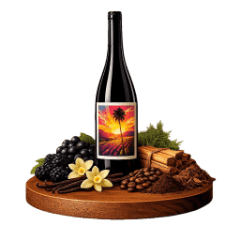
Like a blockbuster movie star, this wine demands attention with muscles on top of muscles. It is big, confident, and fills the room with intense dark fruit and lavish oak that screams success.
Like a blockbuster movie star, this wine demands attention with muscles on top of muscles. It is big, confident, and fills the room with intense dark fruit and lavish oak that screams success.
Californian Red Blend
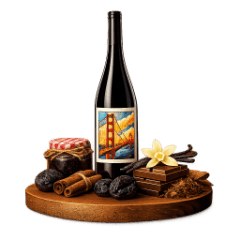
Imagine a winemaker throwing every ripe fruit they can find into a fermentation tank. These wines prioritize smoothness and rich berry flavors over strict rules, resulting in a glass that tastes like liquid red velvet cake.
Imagine a winemaker throwing every ripe fruit they can find into a fermentation tank. These wines prioritize smoothness and rich berry flavors over strict rules, resulting in a glass that tastes like liquid red velvet cake.
LATEST REVIEWS