«
Hawke's Bay
,
New Zealand

Gimblett Gravels
Stony Red Hotspot
If you think New Zealand is just Sauvignon Blanc, this patch of dried riverbed is here to slap some sense into you. It is the spiritual home of heavy-hitting reds that soak up heat from the stones.
If you think New Zealand is just Sauvignon Blanc, this patch of dried riverbed is here to slap some sense into you. It is the spiritual home of heavy-hitting reds that soak up heat from the stones.
If you think New Zealand is just Sauvignon Blanc, this patch of dried riverbed is here to slap some sense into you. It is the spiritual home of heavy-hitting reds that soak up heat from the stones.

LEADERS



HELPERS





Taste profile
Spicy Syrah
Concentrated Fruit
Grippy Tannins
Expect power rather than politeness. Syrah here mimics the Northern Rhône with black pepper and dark plum, while Cabernet Sauvignon and Merlot bring structure and muscle. The stones radiate heat at night, cooking up wines with intense fruit concentration, dried herb notes, and tannins that grip your gums like a firm handshake. It is savory, spicy, and serious business.
Expect power rather than politeness. Syrah here mimics the Northern Rhône with black pepper and dark plum, while Cabernet Sauvignon and Merlot bring structure and muscle. The stones radiate heat at night, cooking up wines with intense fruit concentration, dried herb notes, and tannins that grip your gums like a firm handshake. It is savory, spicy, and serious business.
Expect power rather than politeness. Syrah here mimics the Northern Rhône with black pepper and dark plum, while Cabernet Sauvignon and Merlot bring structure and muscle. The stones radiate heat at night, cooking up wines with intense fruit concentration, dried herb notes, and tannins that grip your gums like a firm handshake. It is savory, spicy, and serious business.
The vibe
Ancient Riverbed
Solar Panel
Stony Ground
You are standing in an old riverbed that decided to retire and become a vineyard. The ground is pure shingle - rocks everywhere, barely any dirt. It gets incredibly warm here, functioning like a giant solar panel for the vines. There is no romance of rolling green hills, just flat, grey stones and an industrial determination to make world-class booze.
You are standing in an old riverbed that decided to retire and become a vineyard. The ground is pure shingle - rocks everywhere, barely any dirt. It gets incredibly warm here, functioning like a giant solar panel for the vines. There is no romance of rolling green hills, just flat, grey stones and an industrial determination to make world-class booze.
You are standing in an old riverbed that decided to retire and become a vineyard. The ground is pure shingle - rocks everywhere, barely any dirt. It gets incredibly warm here, functioning like a giant solar panel for the vines. There is no romance of rolling green hills, just flat, grey stones and an industrial determination to make world-class booze.
Who's who
Trinity Hill
Craggy Range
Stonecroft
Trinity Hill is a founding heavyweight here, helping define the appellation boundaries. Craggy Range brings architectural glamour and stunning Syrah to the table. Keep an eye on smaller players like Stonecroft who stuck a flag in the ground early on. It is a mix of big corporate muscle and boutique passion projects, all fighting over the same pile of rocks.
Trinity Hill is a founding heavyweight here, helping define the appellation boundaries. Craggy Range brings architectural glamour and stunning Syrah to the table. Keep an eye on smaller players like Stonecroft who stuck a flag in the ground early on. It is a mix of big corporate muscle and boutique passion projects, all fighting over the same pile of rocks.
Trinity Hill is a founding heavyweight here, helping define the appellation boundaries. Craggy Range brings architectural glamour and stunning Syrah to the table. Keep an eye on smaller players like Stonecroft who stuck a flag in the ground early on. It is a mix of big corporate muscle and boutique passion projects, all fighting over the same pile of rocks.
LOCAL TALES
The River's Great Escape
The River's Great Escape
The River's Great Escape
Before this area became the grand cru of Kiwi reds, it was actually the bottom of the Ngaruroro River. In 1867, a massive flood hit Hawke's Bay, and the river decided it was bored with its current path. It violently shifted course, leaving behind a massive patch of exposed greywacke stones and gravel. For over a century, locals looked at this desolate, dusty wasteland and thought it was absolutely useless. They used it for a drag racing strip and a concrete quarry because nothing green seemed to want to grow there. It wasn't until the late 1970s that some soil scientists realized these free-draining stones were actually a goldmine for heat-loving vines.
Before this area became the grand cru of Kiwi reds, it was actually the bottom of the Ngaruroro River. In 1867, a massive flood hit Hawke's Bay, and the river decided it was bored with its current path. It violently shifted course, leaving behind a massive patch of exposed greywacke stones and gravel. For over a century, locals looked at this desolate, dusty wasteland and thought it was absolutely useless. They used it for a drag racing strip and a concrete quarry because nothing green seemed to want to grow there. It wasn't until the late 1970s that some soil scientists realized these free-draining stones were actually a goldmine for heat-loving vines.
Not Just A Gravel Pit
Not Just A Gravel Pit
Not Just A Gravel Pit
This prestigious patch of dirt almost became a suburb or a permanent quarry. In the 1980s, gravel extraction companies wanted to dig up the stones for roading, while winemakers were just realizing the potential for Merlot and Syrah. It turned into a genuine turf war. The winemakers banded together to form the Gimblett Gravels Wine Growing District Association, creating a strict district model based on soil type rather than just a line on a map. To put 'Gimblett Gravels' on the label, 95% of the grapes have to come from the designated stony soils. It is a rare district defined strictly by dirt, proving that winemakers are wonderfully obsessive nerds.
This prestigious patch of dirt almost became a suburb or a permanent quarry. In the 1980s, gravel extraction companies wanted to dig up the stones for roading, while winemakers were just realizing the potential for Merlot and Syrah. It turned into a genuine turf war. The winemakers banded together to form the Gimblett Gravels Wine Growing District Association, creating a strict district model based on soil type rather than just a line on a map. To put 'Gimblett Gravels' on the label, 95% of the grapes have to come from the designated stony soils. It is a rare district defined strictly by dirt, proving that winemakers are wonderfully obsessive nerds.
Beating The French
Beating The French
Beating The French
Syrah has found a happy place here that rivals its French homeland. While the rest of New Zealand is busy being cool and maritime, the stones in Gimblett Gravels act like a storage heater. They bake in the sun all day and release that warmth back up into the canopy at night. This thermal effect means Syrah ripens fully without losing that peppery zap that makes it exciting. International critics have been blind-tasting these wines against top Hermitage bottles, and the Gravels often come out on top, leaving French traditionalists weeping into their berets. It is proof that you don't need a centuries-old château to make serious red wine - just a pile of warm rocks.
Syrah has found a happy place here that rivals its French homeland. While the rest of New Zealand is busy being cool and maritime, the stones in Gimblett Gravels act like a storage heater. They bake in the sun all day and release that warmth back up into the canopy at night. This thermal effect means Syrah ripens fully without losing that peppery zap that makes it exciting. International critics have been blind-tasting these wines against top Hermitage bottles, and the Gravels often come out on top, leaving French traditionalists weeping into their berets. It is proof that you don't need a centuries-old château to make serious red wine - just a pile of warm rocks.
LOCAL WINE STYLES
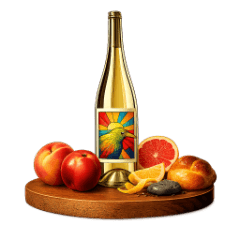
New Zealand Chardonnay
Forget everything you know about heavy butter bombs. Kiwi producers have mastered a lean, mean, fighting machine that balances crisp acidity with ripe stone fruit. It is clean, precise, and dangerously drinkable on a sunny patio.
Forget everything you know about heavy butter bombs. Kiwi producers have mastered a lean, mean, fighting machine that balances crisp acidity with ripe stone fruit. It is clean, precise, and dangerously drinkable on a sunny patio.
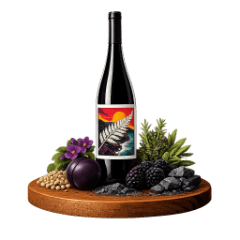
New Zealand Syrah
Think of this as the elegant cousin of Australian Shiraz who went to art school in a colder climate. It drops the jammy fruit bomb vibes for white pepper, violet perfume, and savory finesse that screams sophistication.
Think of this as the elegant cousin of Australian Shiraz who went to art school in a colder climate. It drops the jammy fruit bomb vibes for white pepper, violet perfume, and savory finesse that screams sophistication.
LATEST REVIEWS