«
Piedmont
,
Italy

Dogliani
Dolcetto's Serious Side
Everyone thinks Dolcetto is just a pizza wine, but here it puts on a tuxedo. This area treats Piedmont's underdog fruit with the reverence usually reserved for Nebbiolo, creating deep, age-worthy reds that surprise skeptics.
Everyone thinks Dolcetto is just a pizza wine, but here it puts on a tuxedo. This area treats Piedmont's underdog fruit with the reverence usually reserved for Nebbiolo, creating deep, age-worthy reds that surprise skeptics.
Everyone thinks Dolcetto is just a pizza wine, but here it puts on a tuxedo. This area treats Piedmont's underdog fruit with the reverence usually reserved for Nebbiolo, creating deep, age-worthy reds that surprise skeptics.
LEADERS

Taste profile
Deep purple
Blackberry jam
Almond finish
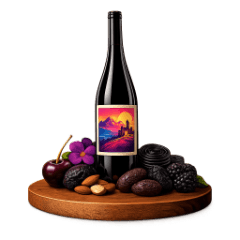
Prepare for a purple tongue and a complete reassessment of what you thought you knew about this fruit. Instead of light and simple, these glasses overflow with intense blackberry, dark cherry, and a signature bitter almond snap on the finish. Acidity remains moderate while tannins can actually have some grip in the Superiore versions. It is bold, structured, and refuses to apologize for being delicious right now.
Prepare for a purple tongue and a complete reassessment of what you thought you knew about this fruit. Instead of light and simple, these glasses overflow with intense blackberry, dark cherry, and a signature bitter almond snap on the finish. Acidity remains moderate while tannins can actually have some grip in the Superiore versions. It is bold, structured, and refuses to apologize for being delicious right now.
Prepare for a purple tongue and a complete reassessment of what you thought you knew about this fruit. Instead of light and simple, these glasses overflow with intense blackberry, dark cherry, and a signature bitter almond snap on the finish. Acidity remains moderate while tannins can actually have some grip in the Superiore versions. It is bold, structured, and refuses to apologize for being delicious right now.
The vibe
Rustic hills
Hazelnut groves
Authentic farming
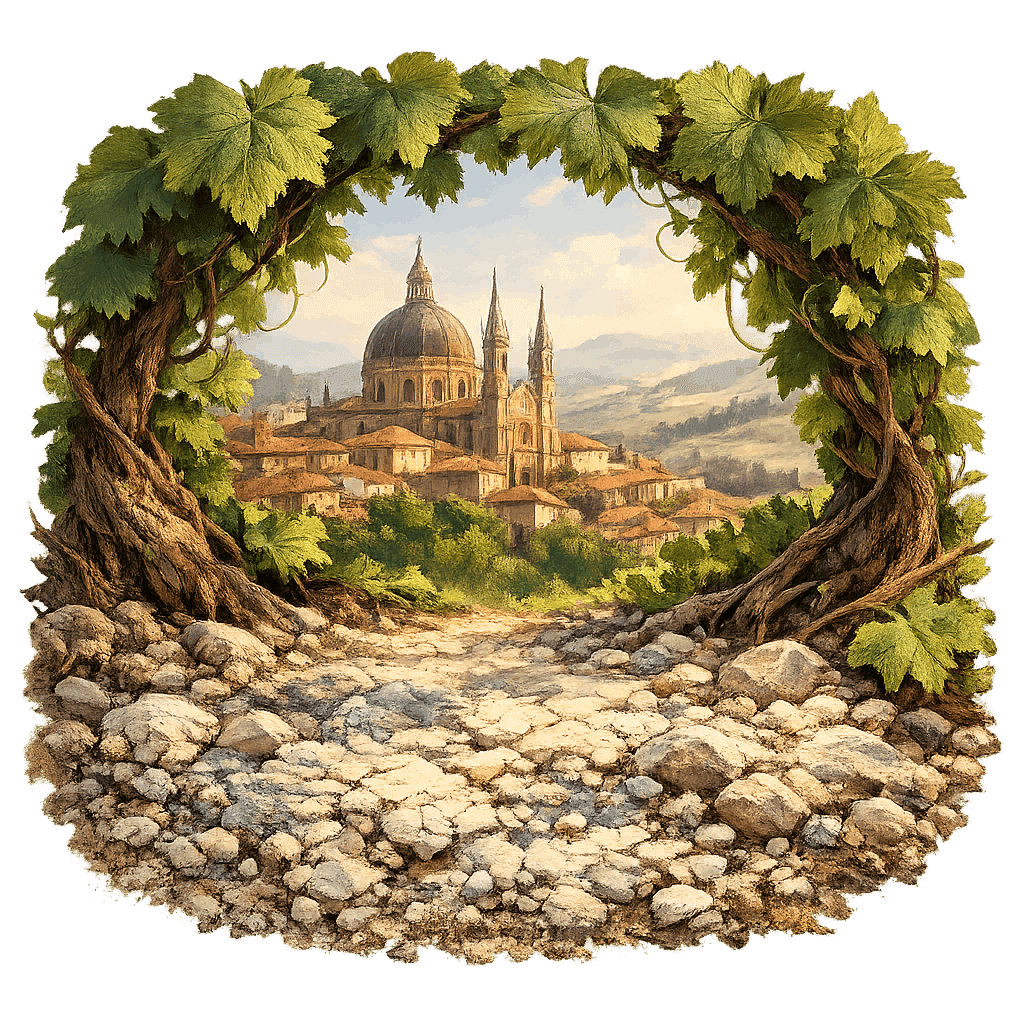
Moving south from the manicured rows of Barolo, the hills get a bit steeper and the atmosphere becomes refreshingly down-to-earth. You won't find tour buses clogging the roads here. It is an agricultural hub where hazelnut groves battle vineyards for prime real estate and locals are more interested in discussing last season's crop yield than scoring points with international critics. It feels authentically lived-in.
Moving south from the manicured rows of Barolo, the hills get a bit steeper and the atmosphere becomes refreshingly down-to-earth. You won't find tour buses clogging the roads here. It is an agricultural hub where hazelnut groves battle vineyards for prime real estate and locals are more interested in discussing last season's crop yield than scoring points with international critics. It feels authentically lived-in.
Moving south from the manicured rows of Barolo, the hills get a bit steeper and the atmosphere becomes refreshingly down-to-earth. You won't find tour buses clogging the roads here. It is an agricultural hub where hazelnut groves battle vineyards for prime real estate and locals are more interested in discussing last season's crop yield than scoring points with international critics. It feels authentically lived-in.
Who's who
Luigi Einaudi
Pecchenino
San Fereolo
Luigi Einaudi is the big name historically, mostly because the guy was literally the President of Italy and knew where to plant vines. For modern mastery, check out Pecchenino, who makes wines that can age for ages. San Fereolo offers a biodynamic, complex take that bends minds, while Gillardi proves that small plots can produce massive flavor without needing to charge a ransom for a bottle.
Luigi Einaudi is the big name historically, mostly because the guy was literally the President of Italy and knew where to plant vines. For modern mastery, check out Pecchenino, who makes wines that can age for ages. San Fereolo offers a biodynamic, complex take that bends minds, while Gillardi proves that small plots can produce massive flavor without needing to charge a ransom for a bottle.
Luigi Einaudi is the big name historically, mostly because the guy was literally the President of Italy and knew where to plant vines. For modern mastery, check out Pecchenino, who makes wines that can age for ages. San Fereolo offers a biodynamic, complex take that bends minds, while Gillardi proves that small plots can produce massive flavor without needing to charge a ransom for a bottle.
LOCAL TALES
The Presidential Pour
The Presidential Pour
The Presidential Pour
While most politicians are busy making empty promises, Luigi Einaudi was busy making excellent wine. As the second President of the Italian Republic, he didn't just govern - he championed this specific corner of Piedmont. Even while rebuilding post-war Italy in Rome, he never missed a harvest back home. He famously used his personal resources to upgrade the farm technology, proving that even heads of state need a good hobby to stay sane. His legacy cemented Dogliani as a serious zone, ensuring that Dolcetto wasn't just seen as the peasant's table wine but something fit for state dinners and diplomatic toasts. It turns out that good policy and good viticulture require similar patience.
While most politicians are busy making empty promises, Luigi Einaudi was busy making excellent wine. As the second President of the Italian Republic, he didn't just govern - he championed this specific corner of Piedmont. Even while rebuilding post-war Italy in Rome, he never missed a harvest back home. He famously used his personal resources to upgrade the farm technology, proving that even heads of state need a good hobby to stay sane. His legacy cemented Dogliani as a serious zone, ensuring that Dolcetto wasn't just seen as the peasant's table wine but something fit for state dinners and diplomatic toasts. It turns out that good policy and good viticulture require similar patience.
The Sweet Lie
The Sweet Lie
The Sweet Lie
Linguistic traps are everywhere in Italy, but this one catches everyone off guard. Dolcetto translates literally to "little sweet one," leading countless tourists to order a bottle expecting a sugar rush akin to fruit juice. The surprise on their faces when they take a sip is priceless. The name likely refers to the sweetness of the ripe berries on the vine compared to the harsh acidity of Nebbiolo grapes nearby, or perhaps the word for a local hill, "dosset." In the glass, however, it is dry, tannic, and savory. It is the ultimate false friend in the dictionary of wine terms, tricking sugar-seekers since the Middle Ages.
Linguistic traps are everywhere in Italy, but this one catches everyone off guard. Dolcetto translates literally to "little sweet one," leading countless tourists to order a bottle expecting a sugar rush akin to fruit juice. The surprise on their faces when they take a sip is priceless. The name likely refers to the sweetness of the ripe berries on the vine compared to the harsh acidity of Nebbiolo grapes nearby, or perhaps the word for a local hill, "dosset." In the glass, however, it is dry, tannic, and savory. It is the ultimate false friend in the dictionary of wine terms, tricking sugar-seekers since the Middle Ages.
Cinderella Story
Cinderella Story
Cinderella Story
For years, this area fought a massive inferiority complex against its neighbors in Barolo. While others treated Dolcetto as the cash cow to drink while waiting for the big wines to age, producers here drew a line in the limestone. They elevated the entire region to DOCG status, creating a tier for Superiore wines with lower yields and longer aging. It was a bold declaration that Dolcetto deserves respect. Today, you can find bottles here that are twenty years old and still singing, shocking blind tasters who swear they are drinking something far more expensive. It is a true Cinderella story, minus the glass slipper but with plenty of glass bottles and happy endings.
For years, this area fought a massive inferiority complex against its neighbors in Barolo. While others treated Dolcetto as the cash cow to drink while waiting for the big wines to age, producers here drew a line in the limestone. They elevated the entire region to DOCG status, creating a tier for Superiore wines with lower yields and longer aging. It was a bold declaration that Dolcetto deserves respect. Today, you can find bottles here that are twenty years old and still singing, shocking blind tasters who swear they are drinking something far more expensive. It is a true Cinderella story, minus the glass slipper but with plenty of glass bottles and happy endings.
LATEST REVIEWS