«
Napa Valley
,
California
Diamond Mountain District
Foggy Rock Fortress
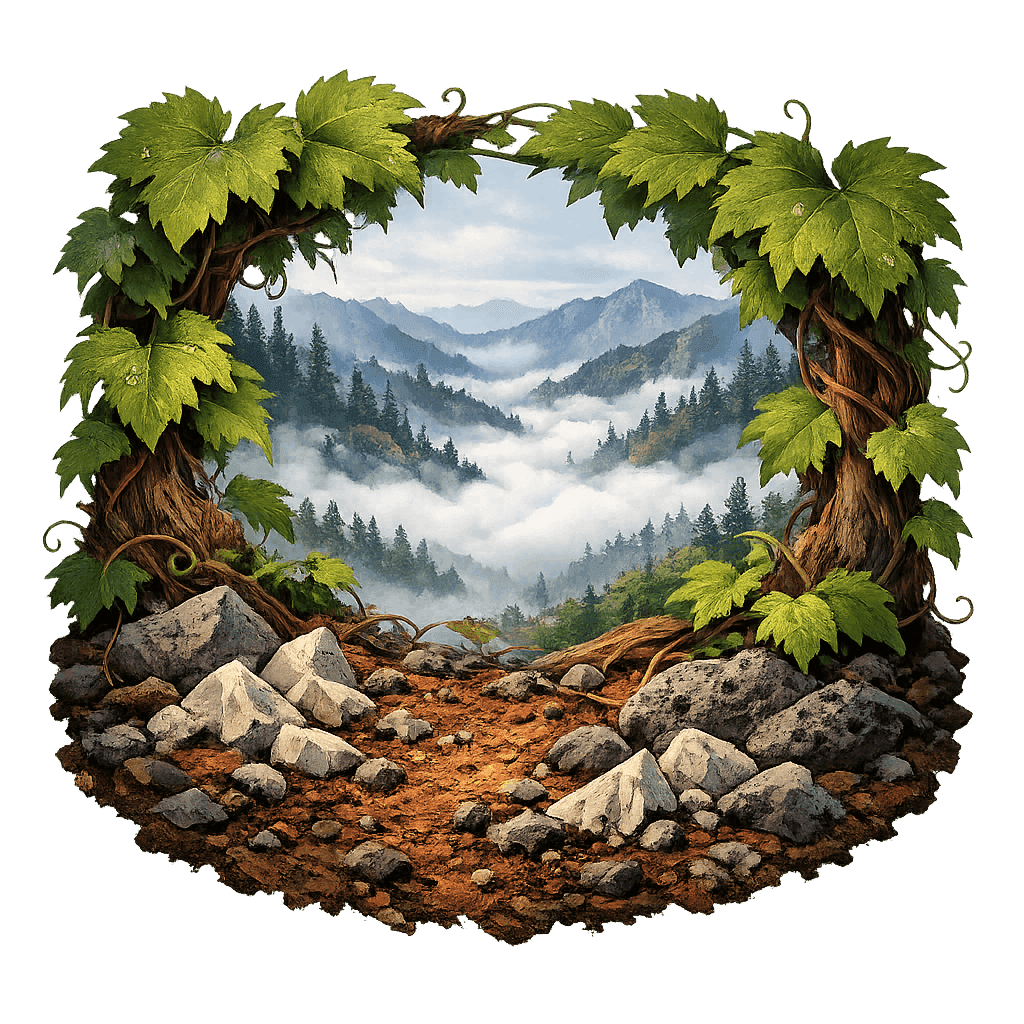
Perched high within the Mayacamas range, this district is famous for porous volcanic soils that create massive, age-worthy reds. It is definitely not for the faint of heart, offering wines with serious structure and grit.
Perched high within the Mayacamas range, this district is famous for porous volcanic soils that create massive, age-worthy reds. It is definitely not for the faint of heart, offering wines with serious structure and grit.
Perched high within the Mayacamas range, this district is famous for porous volcanic soils that create massive, age-worthy reds. It is definitely not for the faint of heart, offering wines with serious structure and grit.

Taste profile
Chewy Tannins
Dark Fruit
Age Worthy
Brace yourself because Cabernet Sauvignon here does not play nice immediately. These bottles are packed with intense tannins and dark fruit flavors like blackberry and cassis, often accented by chocolate or crushed rock notes. Winemakers here battle fierce tannins, trying to tame them without losing the volcanic soul. It is a balancing act resulting in powerful, chewy reds that demand a steak or a decade of patience.
Brace yourself because Cabernet Sauvignon here does not play nice immediately. These bottles are packed with intense tannins and dark fruit flavors like blackberry and cassis, often accented by chocolate or crushed rock notes. Winemakers here battle fierce tannins, trying to tame them without losing the volcanic soul. It is a balancing act resulting in powerful, chewy reds that demand a steak or a decade of patience.
Brace yourself because Cabernet Sauvignon here does not play nice immediately. These bottles are packed with intense tannins and dark fruit flavors like blackberry and cassis, often accented by chocolate or crushed rock notes. Winemakers here battle fierce tannins, trying to tame them without losing the volcanic soul. It is a balancing act resulting in powerful, chewy reds that demand a steak or a decade of patience.
The vibe
Rugged Slopes
Above Fog
Volcanic Soil
Ascend into the Mayacamas Mountains and things get rugged quickly. You are above the fog line here, surrounded by redwood forests and steep, rocky vineyards that look impossible to farm. It feels secluded and wild compared to the manicured valley floor. The air is thinner, the views are expansive, and there is a sense of pioneering spirit that hangs over the white volcanic ash.
Ascend into the Mayacamas Mountains and things get rugged quickly. You are above the fog line here, surrounded by redwood forests and steep, rocky vineyards that look impossible to farm. It feels secluded and wild compared to the manicured valley floor. The air is thinner, the views are expansive, and there is a sense of pioneering spirit that hangs over the white volcanic ash.
Ascend into the Mayacamas Mountains and things get rugged quickly. You are above the fog line here, surrounded by redwood forests and steep, rocky vineyards that look impossible to farm. It feels secluded and wild compared to the manicured valley floor. The air is thinner, the views are expansive, and there is a sense of pioneering spirit that hangs over the white volcanic ash.
Who's who
Schramsberg Bubbles
Diamond Creek
Mountain Specialists
Legendary sparkling house Schramsberg calls this mountain home, creating world-class bubbles in historic caves. For the heavy hitting reds, look for Diamond Creek Vineyards, who essentially put this specific terroir on the map. Checkerboard Vineyards and Dyer Vineyard are crafting stunning examples of high-altitude power. It is a mix of historic giants and boutique growers wrestling with the rock to make liquid gold.
Legendary sparkling house Schramsberg calls this mountain home, creating world-class bubbles in historic caves. For the heavy hitting reds, look for Diamond Creek Vineyards, who essentially put this specific terroir on the map. Checkerboard Vineyards and Dyer Vineyard are crafting stunning examples of high-altitude power. It is a mix of historic giants and boutique growers wrestling with the rock to make liquid gold.
Legendary sparkling house Schramsberg calls this mountain home, creating world-class bubbles in historic caves. For the heavy hitting reds, look for Diamond Creek Vineyards, who essentially put this specific terroir on the map. Checkerboard Vineyards and Dyer Vineyard are crafting stunning examples of high-altitude power. It is a mix of historic giants and boutique growers wrestling with the rock to make liquid gold.
LOCAL TALES
The Barber of the Mountain
The Barber of the Mountain
The Barber of the Mountain
Back in 1862, a German barber named Jacob Schram decided shaving faces wasn't enough - he wanted to shave the side of a mountain. He purchased land up here and, with the help of Chinese laborers, dug incredibly deep caves into the volcanic tuff. These weren't just holes in the ground - they were the first hillside caves in the valley. Robert Louis Stevenson even paid a visit on his honeymoon, famously recounting his tasting of eighteen different wines in his book *The Silverado Squatters*. While Schram eventually passed away, those caves remain at Schramsberg today, a dark, cool testament to the sheer stubbornness required to make wine on this rock.
Back in 1862, a German barber named Jacob Schram decided shaving faces wasn't enough - he wanted to shave the side of a mountain. He purchased land up here and, with the help of Chinese laborers, dug incredibly deep caves into the volcanic tuff. These weren't just holes in the ground - they were the first hillside caves in the valley. Robert Louis Stevenson even paid a visit on his honeymoon, famously recounting his tasting of eighteen different wines in his book *The Silverado Squatters*. While Schram eventually passed away, those caves remain at Schramsberg today, a dark, cool testament to the sheer stubbornness required to make wine on this rock.
Drinking Broken Glass
Drinking Broken Glass
Drinking Broken Glass
Why does Cabernet Sauvignon taste so fierce here? Blame the dirt. Or rather, the lack of it. The soil is largely composed of decomposed volcanic ash, which technically contains tiny, glittering shards of volcanic glass. It sounds painful, and for the root systems, it sort of is. They struggle mightily to find water and nutrients, resulting in tiny berries with incredibly thick skins. Those skins are where all the color and tannin live. So when you drink a glass from this district, you are essentially tasting the struggle of roots fighting against glassy rock. It creates a wine with a backbone so stiff it could stand up straight without the bottle.
Why does Cabernet Sauvignon taste so fierce here? Blame the dirt. Or rather, the lack of it. The soil is largely composed of decomposed volcanic ash, which technically contains tiny, glittering shards of volcanic glass. It sounds painful, and for the root systems, it sort of is. They struggle mightily to find water and nutrients, resulting in tiny berries with incredibly thick skins. Those skins are where all the color and tannin live. So when you drink a glass from this district, you are essentially tasting the struggle of roots fighting against glassy rock. It creates a wine with a backbone so stiff it could stand up straight without the bottle.
The Three Dirt Kings
The Three Dirt Kings
The Three Dirt Kings
Al Brounstein was a visionary who arrived in the late sixties, long before single-vineyard bottlings were the cool trend. He bought land on Diamond Mountain and noticed the soils looked totally different just a few feet apart. Instead of blending everything into one generic red blend, he bottled them separately: Volcanic Hill, Red Rock Terrace, and Gravelly Meadow. People thought he was crazy for charging distinct prices for simple dirt differences, but he proved that terroir is real. Today, these bottles are investment-grade unicorns, proving that paying attention to the ground beneath your feet pays off in spades. It changed how Napa viewed sub-plots forever.
Al Brounstein was a visionary who arrived in the late sixties, long before single-vineyard bottlings were the cool trend. He bought land on Diamond Mountain and noticed the soils looked totally different just a few feet apart. Instead of blending everything into one generic red blend, he bottled them separately: Volcanic Hill, Red Rock Terrace, and Gravelly Meadow. People thought he was crazy for charging distinct prices for simple dirt differences, but he proved that terroir is real. Today, these bottles are investment-grade unicorns, proving that paying attention to the ground beneath your feet pays off in spades. It changed how Napa viewed sub-plots forever.
LOCAL WINE STYLES
Californian Cabernet Sauvignon
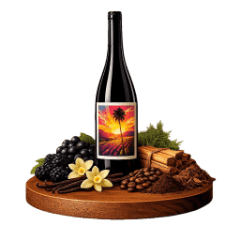
Like a blockbuster movie star, this wine demands attention with muscles on top of muscles. It is big, confident, and fills the room with intense dark fruit and lavish oak that screams success.
Like a blockbuster movie star, this wine demands attention with muscles on top of muscles. It is big, confident, and fills the room with intense dark fruit and lavish oak that screams success.
Californian Red Blend
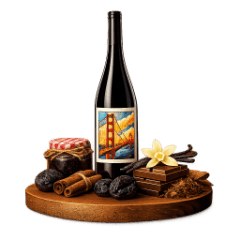
Imagine a winemaker throwing every ripe fruit they can find into a fermentation tank. These wines prioritize smoothness and rich berry flavors over strict rules, resulting in a glass that tastes like liquid red velvet cake.
Imagine a winemaker throwing every ripe fruit they can find into a fermentation tank. These wines prioritize smoothness and rich berry flavors over strict rules, resulting in a glass that tastes like liquid red velvet cake.
LATEST REVIEWS