«
Champagne
,
France
Côte des Blancs
Chardonnay's Chalky Throne
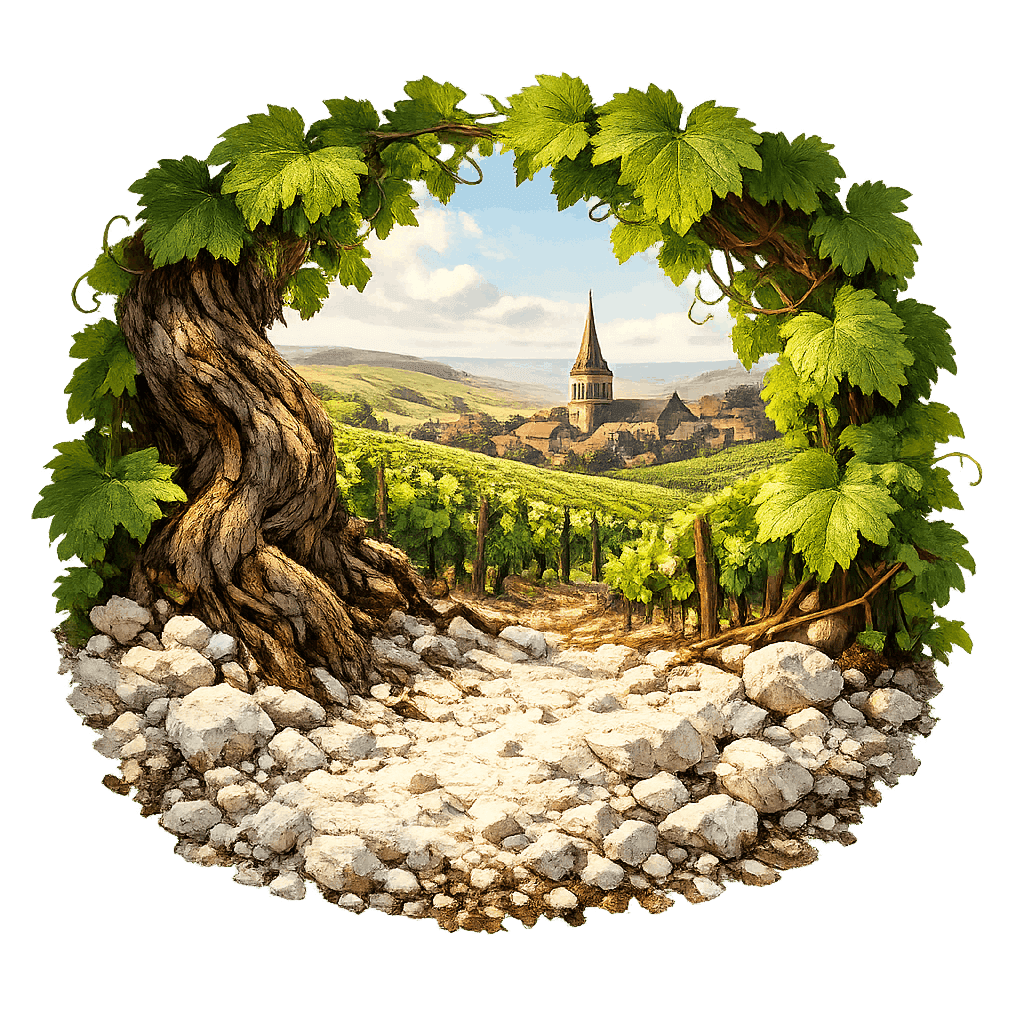
Here is where Chardonnay puts on a crown and demands you bow down. It is arguably the most prestigious stretch of dirt in the entire region, obsessed with elegance, laser-sharp acidity, and blinding white soils.
Here is where Chardonnay puts on a crown and demands you bow down. It is arguably the most prestigious stretch of dirt in the entire region, obsessed with elegance, laser-sharp acidity, and blinding white soils.
Here is where Chardonnay puts on a crown and demands you bow down. It is arguably the most prestigious stretch of dirt in the entire region, obsessed with elegance, laser-sharp acidity, and blinding white soils.



Taste profile
Electric acidity
Citrus zest
Toasted brioche
Get ready for an electric shock of freshness. Chardonnay rules supreme here, delivering wines that cut through richness like a diamond blade. Expect intense notes of lemon zest, green apple, and white flowers, all wrapped up in a distinct chalky minerality. As these bottles age, they transform into toasted brioche and hazelnut masterpieces that linger on your palate for what feels like days. It is pure, linear energy in a glass.
Get ready for an electric shock of freshness. Chardonnay rules supreme here, delivering wines that cut through richness like a diamond blade. Expect intense notes of lemon zest, green apple, and white flowers, all wrapped up in a distinct chalky minerality. As these bottles age, they transform into toasted brioche and hazelnut masterpieces that linger on your palate for what feels like days. It is pure, linear energy in a glass.
Get ready for an electric shock of freshness. Chardonnay rules supreme here, delivering wines that cut through richness like a diamond blade. Expect intense notes of lemon zest, green apple, and white flowers, all wrapped up in a distinct chalky minerality. As these bottles age, they transform into toasted brioche and hazelnut masterpieces that linger on your palate for what feels like days. It is pure, linear energy in a glass.
The vibe
Chalky slopes
Sleepy villages
Quiet luxury
Chalk is the celebrity here. This east-facing slope is essentially a giant prehistoric seabed that reflects sunlight and drains water like magic. You will find sleepy villages with legendary names like Cramant and Le Mesnil-sur-Oger, where the streets are quiet but the cellars are buzzing with millions of euros worth of bubbles waiting for their moment to shine. It feels serious yet oddly humble given the price tags involved.
Chalk is the celebrity here. This east-facing slope is essentially a giant prehistoric seabed that reflects sunlight and drains water like magic. You will find sleepy villages with legendary names like Cramant and Le Mesnil-sur-Oger, where the streets are quiet but the cellars are buzzing with millions of euros worth of bubbles waiting for their moment to shine. It feels serious yet oddly humble given the price tags involved.
Chalk is the celebrity here. This east-facing slope is essentially a giant prehistoric seabed that reflects sunlight and drains water like magic. You will find sleepy villages with legendary names like Cramant and Le Mesnil-sur-Oger, where the streets are quiet but the cellars are buzzing with millions of euros worth of bubbles waiting for their moment to shine. It feels serious yet oddly humble given the price tags involved.
Who's who
Anselme Selosse
Salon myth
Pierre Péters
Grower Champagne exploded here. Anselme Selosse basically reinvented the game in Avize, inspiring a legion of disciples who bottle single-vineyard magic. However, the big houses rely on this fruit too. Salon creates its mythical wines in Le Mesnil, while heavyweights like Roederer and Taittinger own prime plots to ensure their prestige cuvées have that signature backbone. Look out for Pierre Péters or Larmandier-Bernier for pure class.
Grower Champagne exploded here. Anselme Selosse basically reinvented the game in Avize, inspiring a legion of disciples who bottle single-vineyard magic. However, the big houses rely on this fruit too. Salon creates its mythical wines in Le Mesnil, while heavyweights like Roederer and Taittinger own prime plots to ensure their prestige cuvées have that signature backbone. Look out for Pierre Péters or Larmandier-Bernier for pure class.
Grower Champagne exploded here. Anselme Selosse basically reinvented the game in Avize, inspiring a legion of disciples who bottle single-vineyard magic. However, the big houses rely on this fruit too. Salon creates its mythical wines in Le Mesnil, while heavyweights like Roederer and Taittinger own prime plots to ensure their prestige cuvées have that signature backbone. Look out for Pierre Péters or Larmandier-Bernier for pure class.
LOCAL TALES
Ghosts of the Ancient Sea
Ghosts of the Ancient Sea
Ghosts of the Ancient Sea
Millions of years ago, this famous slope was not a hillside at all, but the bottom of a warm sea teeming with plankton and squid-like creatures. When this marine life died, the remains piled up over eons to create the massive layer of Belemnite chalk that defines the region today. This isn't just dirt - the chalk acts like a giant sponge for water and a solar radiator for heat. It is the secret weapon that allows Chardonnay to ripen fully without losing that spine-tingling acidity. So, when you sip that crisp Blanc de Blancs, you are technically drinking the legacy of ancient dead sea monsters. Cheers to geology!
Millions of years ago, this famous slope was not a hillside at all, but the bottom of a warm sea teeming with plankton and squid-like creatures. When this marine life died, the remains piled up over eons to create the massive layer of Belemnite chalk that defines the region today. This isn't just dirt - the chalk acts like a giant sponge for water and a solar radiator for heat. It is the secret weapon that allows Chardonnay to ripen fully without losing that spine-tingling acidity. So, when you sip that crisp Blanc de Blancs, you are technically drinking the legacy of ancient dead sea monsters. Cheers to geology!
The Unicorn of Le Mesnil
The Unicorn of Le Mesnil
The Unicorn of Le Mesnil
Eugène-Aimé Salon was a fur merchant who just wanted a decent drink for himself and his jazz-loving buddies. In the early 1900s, he bought a tiny plot in Le Mesnil-sur-Oger and decided to make a wine exclusively from Chardonnay, which was completely unheard of at the time. He refused to blend vintages and only bottled the wine in absolute perfection years. It became the very first commercial Blanc de Blancs. Today, Salon is so rare and expensive that seeing a bottle in the wild is equivalent to spotting a unicorn riding a unicycle. If someone offers you a glass, cancel your plans and drink it.
Eugène-Aimé Salon was a fur merchant who just wanted a decent drink for himself and his jazz-loving buddies. In the early 1900s, he bought a tiny plot in Le Mesnil-sur-Oger and decided to make a wine exclusively from Chardonnay, which was completely unheard of at the time. He refused to blend vintages and only bottled the wine in absolute perfection years. It became the very first commercial Blanc de Blancs. Today, Salon is so rare and expensive that seeing a bottle in the wild is equivalent to spotting a unicorn riding a unicycle. If someone offers you a glass, cancel your plans and drink it.
The Burgundy Invasion
The Burgundy Invasion
The Burgundy Invasion
For decades, Champagne was all about the blend, mixing grapes from everywhere to create a consistent brand taste. Then came Anselme Selosse in Avize. He studied winemaking in Burgundy and returned home with a radical idea: maybe the specific patch of dirt matters more than the brand logo. He started treating his plots like individual gardens, using oak barrels and low dosage to let the terroir scream. Traditionalists were confused, but sommeliers worldwide fell in love. Now, the Côte des Blancs is the headquarters of the 'grower revolution,' where farmers bottle their own juice and talk about soil types with the intensity of a geology professor.
For decades, Champagne was all about the blend, mixing grapes from everywhere to create a consistent brand taste. Then came Anselme Selosse in Avize. He studied winemaking in Burgundy and returned home with a radical idea: maybe the specific patch of dirt matters more than the brand logo. He started treating his plots like individual gardens, using oak barrels and low dosage to let the terroir scream. Traditionalists were confused, but sommeliers worldwide fell in love. Now, the Côte des Blancs is the headquarters of the 'grower revolution,' where farmers bottle their own juice and talk about soil types with the intensity of a geology professor.
LATEST REVIEWS