«
Stellenbosch
,
South Africa

Bottelary
Rugged Bushvine Sanctuary
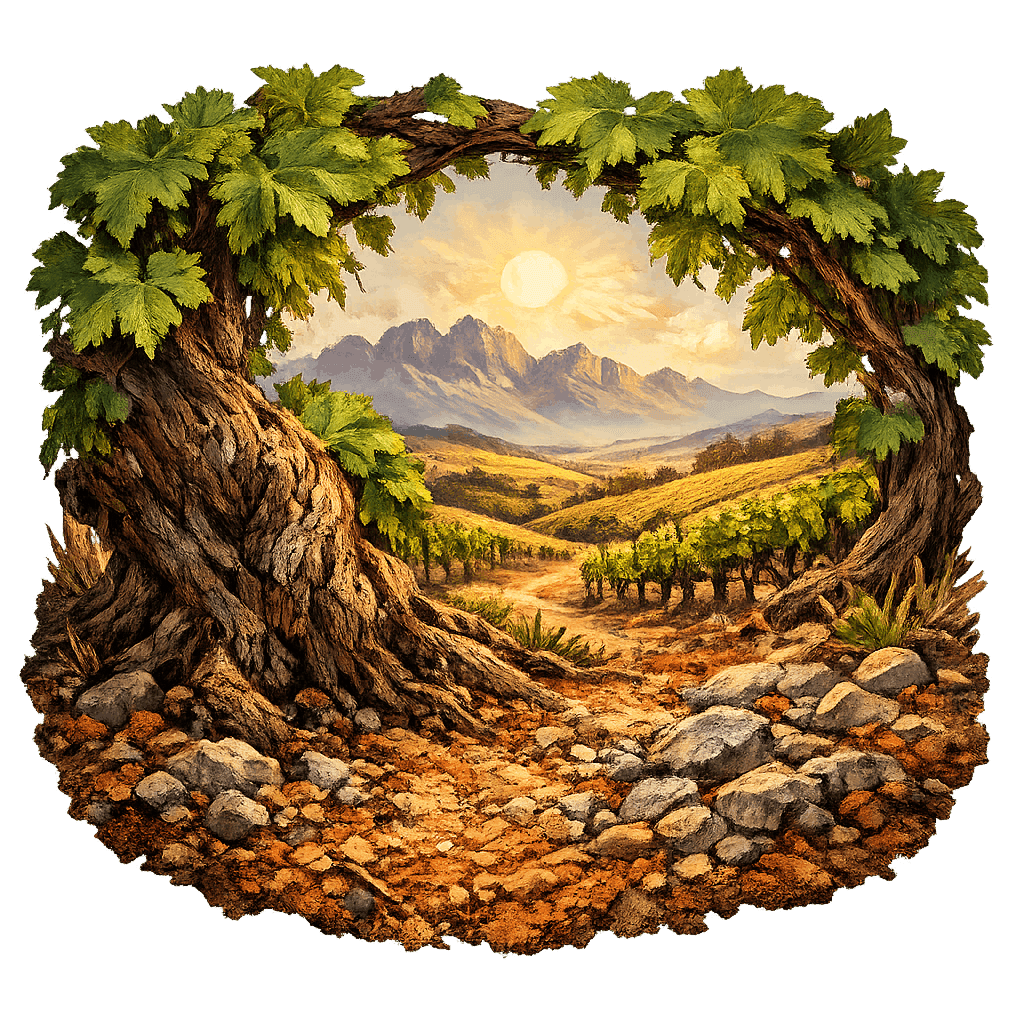
Home to some of the gnarliest stumps in the Cape, this ward is where heritage meets serious concentration. It is less about flashy tasting rooms and more about getting dirt under your fingernails while crafting intense wines.
Home to some of the gnarliest stumps in the Cape, this ward is where heritage meets serious concentration. It is less about flashy tasting rooms and more about getting dirt under your fingernails while crafting intense wines.
Home to some of the gnarliest stumps in the Cape, this ward is where heritage meets serious concentration. It is less about flashy tasting rooms and more about getting dirt under your fingernails while crafting intense wines.



Taste profile
Textural depth
Savory plums
Honeyed richness
Prepare your palate for intensity without the heaviness. Chenin Blanc here offers bruised apple, honey, and a texture that coats your mouth like a velvet glove. Pinotage leans towards savory plums and dark berries rather than banana candy. Winemakers let the old wood do the talking, resulting in wines that feel grounded, earthy, and packed with serious structural integrity.
Prepare your palate for intensity without the heaviness. Chenin Blanc here offers bruised apple, honey, and a texture that coats your mouth like a velvet glove. Pinotage leans towards savory plums and dark berries rather than banana candy. Winemakers let the old wood do the talking, resulting in wines that feel grounded, earthy, and packed with serious structural integrity.
Prepare your palate for intensity without the heaviness. Chenin Blanc here offers bruised apple, honey, and a texture that coats your mouth like a velvet glove. Pinotage leans towards savory plums and dark berries rather than banana candy. Winemakers let the old wood do the talking, resulting in wines that feel grounded, earthy, and packed with serious structural integrity.
The vibe
Rolling hills
Tractor country
Unpretentious
Driving through these rolling hills feels like stepping into a pastoral painting where time moves just a little slower. It is working-class Stellenbosch in the best way possible, where tractors outnumber luxury sedans. The slopes offer stunning views back toward Table Mountain, but nobody is posing for selfies, they are too busy tending to ancient plants that have survived decades of harsh sun and wind.
Driving through these rolling hills feels like stepping into a pastoral painting where time moves just a little slower. It is working-class Stellenbosch in the best way possible, where tractors outnumber luxury sedans. The slopes offer stunning views back toward Table Mountain, but nobody is posing for selfies, they are too busy tending to ancient plants that have survived decades of harsh sun and wind.
Driving through these rolling hills feels like stepping into a pastoral painting where time moves just a little slower. It is working-class Stellenbosch in the best way possible, where tractors outnumber luxury sedans. The slopes offer stunning views back toward Table Mountain, but nobody is posing for selfies, they are too busy tending to ancient plants that have survived decades of harsh sun and wind.
Who's who
Hartenberg Estate
Kaapzicht Wines
Mooiplaas
Hartenberg is the undeniable aristocrat here, producing legendary Shirazes that age forever. For a dose of heritage magic, Kaapzicht is essential, with the Steytler family relentlessly championing the movement to save old plantings. Keep an eye on Mooiplaas for nature-friendly farming and Hazendal if you want to see how this historic area is getting a massive, shiny makeover involving jazz, vodka, and classic cars.
Hartenberg is the undeniable aristocrat here, producing legendary Shirazes that age forever. For a dose of heritage magic, Kaapzicht is essential, with the Steytler family relentlessly championing the movement to save old plantings. Keep an eye on Mooiplaas for nature-friendly farming and Hazendal if you want to see how this historic area is getting a massive, shiny makeover involving jazz, vodka, and classic cars.
Hartenberg is the undeniable aristocrat here, producing legendary Shirazes that age forever. For a dose of heritage magic, Kaapzicht is essential, with the Steytler family relentlessly championing the movement to save old plantings. Keep an eye on Mooiplaas for nature-friendly farming and Hazendal if you want to see how this historic area is getting a massive, shiny makeover involving jazz, vodka, and classic cars.
LOCAL TALES
The Colonial Pantry
The Colonial Pantry
The Colonial Pantry
The name itself points to its gastronomic roots. "Bottelary" essentially translates to "The Pantry" or "Buttery" from the Dutch colonial era. Why? Because these fertile slopes were the designated supply closet for the ships docking in Cape Town and the early settlers. While everyone else was scrambling for gold or glory, farmers here were busy growing the actual food and wine that kept the colony alive. It wasn't glamorous work, providing the bread and butter (and booze) for the Cape, but it established a culture of reliable, high-quality farming that persists today. Those gnarly old Chenin Blanc blocks aren't just agriculture, they are the descendants of a survival strategy that prioritized substance over style.
The name itself points to its gastronomic roots. "Bottelary" essentially translates to "The Pantry" or "Buttery" from the Dutch colonial era. Why? Because these fertile slopes were the designated supply closet for the ships docking in Cape Town and the early settlers. While everyone else was scrambling for gold or glory, farmers here were busy growing the actual food and wine that kept the colony alive. It wasn't glamorous work, providing the bread and butter (and booze) for the Cape, but it established a culture of reliable, high-quality farming that persists today. Those gnarly old Chenin Blanc blocks aren't just agriculture, they are the descendants of a survival strategy that prioritized substance over style.
The Old Wood Rebellion
The Old Wood Rebellion
The Old Wood Rebellion
For years, aged vineyards in South Africa were ripped out faster than weeds in a prize garden to make way for high-yielding youngsters. Then came the realization that "old" meant "gold." In Bottelary, producers like Kaapzicht realized their ancient blocks of Chenin Blanc, planted in 1947 just as the world began to rebuild, were producing nectar, not just juice. By bottling these separately rather than blending them away into bulk wine, they sparked a revolution. Suddenly, gnarled, low-yielding timber wasn't a liability, it was a badge of honor. Now, this sub-region is basically the retirement home for plants that refuse to quit, pumping out concentrated flavors that younger vineyards can only dream of.
For years, aged vineyards in South Africa were ripped out faster than weeds in a prize garden to make way for high-yielding youngsters. Then came the realization that "old" meant "gold." In Bottelary, producers like Kaapzicht realized their ancient blocks of Chenin Blanc, planted in 1947 just as the world began to rebuild, were producing nectar, not just juice. By bottling these separately rather than blending them away into bulk wine, they sparked a revolution. Suddenly, gnarled, low-yielding timber wasn't a liability, it was a badge of honor. Now, this sub-region is basically the retirement home for plants that refuse to quit, pumping out concentrated flavors that younger vineyards can only dream of.
Rescue of the Renosterveld
Rescue of the Renosterveld
Rescue of the Renosterveld
While wine is the headline act, the Bottelary Hills Renosterveld Conservancy is the unsung hero working backstage. This unique type of vegetation used to cover the whole area, but farming nearly wiped it out. A group of local landowners decided that extinction wasn't on their to-do list, so they banded together to create corridors for wildlife between the vineyards. It is a rare success story where agriculture and conservation stopped fighting and started dancing. If you spot a porcupine or a caracal while sipping your Pinotage, you can thank the farmers who realized that healthy biodiversity actually makes for better grapes. It turns out, nature knows a thing or two about terroir if you just let it breathe.
While wine is the headline act, the Bottelary Hills Renosterveld Conservancy is the unsung hero working backstage. This unique type of vegetation used to cover the whole area, but farming nearly wiped it out. A group of local landowners decided that extinction wasn't on their to-do list, so they banded together to create corridors for wildlife between the vineyards. It is a rare success story where agriculture and conservation stopped fighting and started dancing. If you spot a porcupine or a caracal while sipping your Pinotage, you can thank the farmers who realized that healthy biodiversity actually makes for better grapes. It turns out, nature knows a thing or two about terroir if you just let it breathe.
LATEST REVIEWS