«
Colchagua Valley
,
Chile

Apalta
Chile's Golden Horseshoe
Tucked inside a crescent-shaped mountain range, this prestigious pocket acts like a thermal trap for ripening massive reds. It is undeniably the designated VIP section of Colchagua where Carmenere gets dressed up for the red carpet.
Tucked inside a crescent-shaped mountain range, this prestigious pocket acts like a thermal trap for ripening massive reds. It is undeniably the designated VIP section of Colchagua where Carmenere gets dressed up for the red carpet.
Tucked inside a crescent-shaped mountain range, this prestigious pocket acts like a thermal trap for ripening massive reds. It is undeniably the designated VIP section of Colchagua where Carmenere gets dressed up for the red carpet.







Taste profile
Velvet texture
Spicy plum
Polished tannins
Get your palate ready for a velvet sledgehammer. Wines here are opulent, ripe, and seriously structured, often carrying price tags that match their ego. Carmenere shines brightest, delivering spicy plum and chocolate notes, while Cabernet Sauvignon brings the backbone. Tannins are usually polished smooth enough to slide right down your throat without a scratch. It is all about power meets luxury.
Get your palate ready for a velvet sledgehammer. Wines here are opulent, ripe, and seriously structured, often carrying price tags that match their ego. Carmenere shines brightest, delivering spicy plum and chocolate notes, while Cabernet Sauvignon brings the backbone. Tannins are usually polished smooth enough to slide right down your throat without a scratch. It is all about power meets luxury.
Get your palate ready for a velvet sledgehammer. Wines here are opulent, ripe, and seriously structured, often carrying price tags that match their ego. Carmenere shines brightest, delivering spicy plum and chocolate notes, while Cabernet Sauvignon brings the backbone. Tannins are usually polished smooth enough to slide right down your throat without a scratch. It is all about power meets luxury.
The vibe
Natural amphitheater
Futuristic wineries
Granite slopes
Looking at the scenery feels like standing in a natural amphitheater designed solely for sheltering grapes. The Tinguiririca River cools things down just enough to keep the fruit from turning into raisins. Architecturally, it is a showroom of money and ambition, featuring gravity-fed wineries and futuristic tasting rooms that look like Bond villain lairs nestled against the steep granite slopes.
Looking at the scenery feels like standing in a natural amphitheater designed solely for sheltering grapes. The Tinguiririca River cools things down just enough to keep the fruit from turning into raisins. Architecturally, it is a showroom of money and ambition, featuring gravity-fed wineries and futuristic tasting rooms that look like Bond villain lairs nestled against the steep granite slopes.
Looking at the scenery feels like standing in a natural amphitheater designed solely for sheltering grapes. The Tinguiririca River cools things down just enough to keep the fruit from turning into raisins. Architecturally, it is a showroom of money and ambition, featuring gravity-fed wineries and futuristic tasting rooms that look like Bond villain lairs nestled against the steep granite slopes.
Who's who
French flair
Iconic legends
Ancient vines
Heavy hitters run this playground. Lapostolle put the region on the map with French flair and high scores, while Montes continues to churn out iconic bottles that define Chilean quality. Keep an eye out for Neyen if you want a taste of history from ancient vines. It is basically a roll call of legends who proved Chile can compete with Napa or Bordeaux.
Heavy hitters run this playground. Lapostolle put the region on the map with French flair and high scores, while Montes continues to churn out iconic bottles that define Chilean quality. Keep an eye out for Neyen if you want a taste of history from ancient vines. It is basically a roll call of legends who proved Chile can compete with Napa or Bordeaux.
Heavy hitters run this playground. Lapostolle put the region on the map with French flair and high scores, while Montes continues to churn out iconic bottles that define Chilean quality. Keep an eye out for Neyen if you want a taste of history from ancient vines. It is basically a roll call of legends who proved Chile can compete with Napa or Bordeaux.
LOCAL TALES
The Thermal Bowl Effect
The Thermal Bowl Effect
The Thermal Bowl Effect
Before the critics started throwing 100-point scores around like confetti, locals knew Apalta was special simply because of the sun. The name itself supposedly relates to earthquakes or poor soil in local dialect, but the geography is the real hero. Shaped like a horseshoe facing south, the mountains block the sunset, meaning vines get limited direct light but retain massive heat. This unique thermal regulation allowed old vines - some planted way back in the 1890s - to survive without irrigation for decades. Those gnarled survivors became the backbone of the region's sudden rise to stardom in the 1990s when French investors realized this dry bowl was actually a goldmine for Bordeaux varieties.
Before the critics started throwing 100-point scores around like confetti, locals knew Apalta was special simply because of the sun. The name itself supposedly relates to earthquakes or poor soil in local dialect, but the geography is the real hero. Shaped like a horseshoe facing south, the mountains block the sunset, meaning vines get limited direct light but retain massive heat. This unique thermal regulation allowed old vines - some planted way back in the 1890s - to survive without irrigation for decades. Those gnarled survivors became the backbone of the region's sudden rise to stardom in the 1990s when French investors realized this dry bowl was actually a goldmine for Bordeaux varieties.
Dropping the Mic in 2008
Dropping the Mic in 2008
Dropping the Mic in 2008
Nothing screams "we have arrived" quite like beating every other wine on the planet. In 2008, the 2005 vintage of Clos Apalta was named the Wine of the Year by Wine Spectator, effectively dropping a microphone on the global stage. It was a massive win for Chile, proving they weren't just a bargain bin country. This blend wasn't just good - it was world-class. Suddenly, everyone wanted a piece of this specific valley floor. Prices shot up, tour buses arrived, and neighbors started polishing their tanks a bit harder. That single award validated the entire concept of Chilean ultra-premium wine and turned this small sub-region into a pilgrimage site for oenophiles.
Nothing screams "we have arrived" quite like beating every other wine on the planet. In 2008, the 2005 vintage of Clos Apalta was named the Wine of the Year by Wine Spectator, effectively dropping a microphone on the global stage. It was a massive win for Chile, proving they weren't just a bargain bin country. This blend wasn't just good - it was world-class. Suddenly, everyone wanted a piece of this specific valley floor. Prices shot up, tour buses arrived, and neighbors started polishing their tanks a bit harder. That single award validated the entire concept of Chilean ultra-premium wine and turned this small sub-region into a pilgrimage site for oenophiles.
The Green Monster Tamed
The Green Monster Tamed
The Green Monster Tamed
For a long time, Carmenere was the ugly duckling that everyone thought was Merlot until it ripened late and tasted like green peppers. Apalta changed that narrative entirely. Because of that specific warm amphitheater shape and well-draining granite soils, the vines can hang out until May without rotting. This extra hang-time allows those notorious green pyrazines to burn off, leaving behind lush chocolate and blackberry notes. Winemakers here figured out how to tame the beast. Instead of a vegetal mistake, Apalta turned Carmenere into a signature flagship grape that now commands respect (and high prices) on wine lists from New York to Tokyo.
For a long time, Carmenere was the ugly duckling that everyone thought was Merlot until it ripened late and tasted like green peppers. Apalta changed that narrative entirely. Because of that specific warm amphitheater shape and well-draining granite soils, the vines can hang out until May without rotting. This extra hang-time allows those notorious green pyrazines to burn off, leaving behind lush chocolate and blackberry notes. Winemakers here figured out how to tame the beast. Instead of a vegetal mistake, Apalta turned Carmenere into a signature flagship grape that now commands respect (and high prices) on wine lists from New York to Tokyo.
LOCAL WINE STYLES
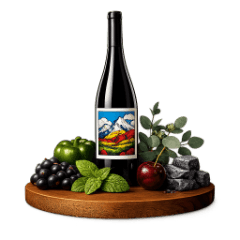
Chilean Cabernet Sauvignon
Imagine sipping a glass of bold dark fruit while standing in a eucalyptus forest. It brings serious structure without the hefty price tag found in Napa, mixing savory green pepper notes with ripe blackcurrants effortlessly.
Imagine sipping a glass of bold dark fruit while standing in a eucalyptus forest. It brings serious structure without the hefty price tag found in Napa, mixing savory green pepper notes with ripe blackcurrants effortlessly.

Chilean Carménère
Once thought extinct in Europe, this red found a secret hideout in South America. It is famous for mixing savory herbal notes with plush red fruit, making it the ultimate barbecue wingman for veggies and meats alike.
Once thought extinct in Europe, this red found a secret hideout in South America. It is famous for mixing savory herbal notes with plush red fruit, making it the ultimate barbecue wingman for veggies and meats alike.
LATEST REVIEWS