«
Río Negro
,
Argentina

Alto Valle del Río Negro
Southern Cool Classic
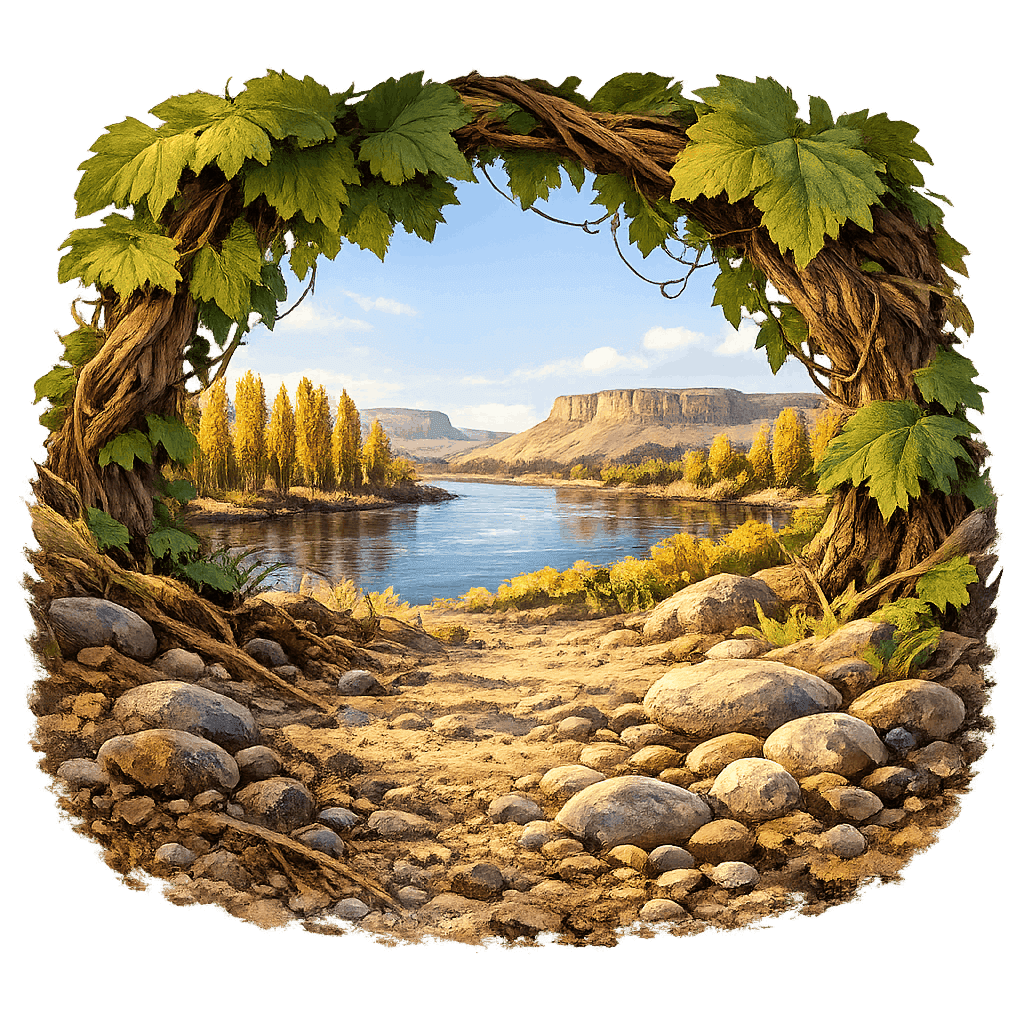
Imagine a lush green ribbon slicing through arid scrubland where dinosaurs once roamed. This spot is actually famous for pears and apples, but the century-old vines hidden between orchards are the real treasure for wine lovers.
Imagine a lush green ribbon slicing through arid scrubland where dinosaurs once roamed. This spot is actually famous for pears and apples, but the century-old vines hidden between orchards are the real treasure for wine lovers.
Imagine a lush green ribbon slicing through arid scrubland where dinosaurs once roamed. This spot is actually famous for pears and apples, but the century-old vines hidden between orchards are the real treasure for wine lovers.
HELPERS

Taste profile
High Acidity
Earthy Elegance
Floral Spice
If Mendoza is the loud guy at the party, this valley is the intellectual sipping espresso in the corner. You get thrilling acidity and lower alcohol here. Pinot Noir shines with earthy elegance, while Malbec shows a floral, spicy side rather than just fruit-bomb power. Also, watch out for Semillon that tastes like beeswax and honey - it is absolutely killer stuff.
If Mendoza is the loud guy at the party, this valley is the intellectual sipping espresso in the corner. You get thrilling acidity and lower alcohol here. Pinot Noir shines with earthy elegance, while Malbec shows a floral, spicy side rather than just fruit-bomb power. Also, watch out for Semillon that tastes like beeswax and honey - it is absolutely killer stuff.
If Mendoza is the loud guy at the party, this valley is the intellectual sipping espresso in the corner. You get thrilling acidity and lower alcohol here. Pinot Noir shines with earthy elegance, while Malbec shows a floral, spicy side rather than just fruit-bomb power. Also, watch out for Semillon that tastes like beeswax and honey - it is absolutely killer stuff.
The vibe
Windy Desert
Poplar Rows
Remote Oasis
Wind is the landlord here. To protect the crops from those relentless Patagonian gusts, distinct rows of Poplar trees divide the vineyards into little green rooms. It feels incredibly remote because it is. You are basically in the middle of a desert, surrounded by irrigation canals and heavy history, far away from the glitz of modern wine tourism found elsewhere in Argentina.
Wind is the landlord here. To protect the crops from those relentless Patagonian gusts, distinct rows of Poplar trees divide the vineyards into little green rooms. It feels incredibly remote because it is. You are basically in the middle of a desert, surrounded by irrigation canals and heavy history, far away from the glitz of modern wine tourism found elsewhere in Argentina.
Wind is the landlord here. To protect the crops from those relentless Patagonian gusts, distinct rows of Poplar trees divide the vineyards into little green rooms. It feels incredibly remote because it is. You are basically in the middle of a desert, surrounded by irrigation canals and heavy history, far away from the glitz of modern wine tourism found elsewhere in Argentina.
Who's who
Humberto Canale
Bodega Chacra
Bodega Noemía
Bodega Humberto Canale is the grandfather of the region, having been here since the early 1900s. But the modern cool kids table is led by Piero Incisa della Rocchetta at Bodega Chacra, making world-class Pinot Noir. Hans Vinding-Diers at Bodega Noemía is crafting legendary Malbec, while Matías Riccitelli is rescuing forgotten old vineyards to make some truly wild and exciting bottles.
Bodega Humberto Canale is the grandfather of the region, having been here since the early 1900s. But the modern cool kids table is led by Piero Incisa della Rocchetta at Bodega Chacra, making world-class Pinot Noir. Hans Vinding-Diers at Bodega Noemía is crafting legendary Malbec, while Matías Riccitelli is rescuing forgotten old vineyards to make some truly wild and exciting bottles.
Bodega Humberto Canale is the grandfather of the region, having been here since the early 1900s. But the modern cool kids table is led by Piero Incisa della Rocchetta at Bodega Chacra, making world-class Pinot Noir. Hans Vinding-Diers at Bodega Noemía is crafting legendary Malbec, while Matías Riccitelli is rescuing forgotten old vineyards to make some truly wild and exciting bottles.
LOCAL TALES
Ditching the Dust
Ditching the Dust
Ditching the Dust
Before the wine, there was just dry, scrubby dirt. In the late 19th century, the Argentine government realized this valley had potential but needed water. Enter the British engineers. They constructed an intricate system of canals to divert water from the Río Negro, transforming the arid landscape into a lush oasis. It was originally meant for alfalfa and fruit to feed the population, but immigrants - mostly Italians and Spanish - saw the potential for fermentation. They brought cuttings in their luggage. Humberto Canale founded his winery in 1909, cementing the shift from fruit basket to wine destination. Without those canals, you would just be drinking sand right now.
Before the wine, there was just dry, scrubby dirt. In the late 19th century, the Argentine government realized this valley had potential but needed water. Enter the British engineers. They constructed an intricate system of canals to divert water from the Río Negro, transforming the arid landscape into a lush oasis. It was originally meant for alfalfa and fruit to feed the population, but immigrants - mostly Italians and Spanish - saw the potential for fermentation. They brought cuttings in their luggage. Humberto Canale founded his winery in 1909, cementing the shift from fruit basket to wine destination. Without those canals, you would just be drinking sand right now.
Italian Royalty Arrives
Italian Royalty Arrives
Italian Royalty Arrives
What does Italian royalty have to do with windy Patagonia? Everything, actually. Piero Incisa della Rocchetta, whose family makes the legendary Sassicaia in Tuscany, tasted a random bottle of Pinot Noir from this region and had his mind blown. He hopped on a plane, found neglected vines planted in 1932, and decided this was the place to be. He launched Bodega Chacra, focusing on biodynamics and microscopic attention to detail. Suddenly, this dusty corner of the world was being talked about in New York and London fine dining circles. He proved that Rio Negro wasn't just about bulk wine or apples - it could produce Pinot Noir to rival Burgundy.
What does Italian royalty have to do with windy Patagonia? Everything, actually. Piero Incisa della Rocchetta, whose family makes the legendary Sassicaia in Tuscany, tasted a random bottle of Pinot Noir from this region and had his mind blown. He hopped on a plane, found neglected vines planted in 1932, and decided this was the place to be. He launched Bodega Chacra, focusing on biodynamics and microscopic attention to detail. Suddenly, this dusty corner of the world was being talked about in New York and London fine dining circles. He proved that Rio Negro wasn't just about bulk wine or apples - it could produce Pinot Noir to rival Burgundy.
The Apple Orchard Hunt
The Apple Orchard Hunt
The Apple Orchard Hunt
There is a treasure hunt happening right now in the valley. For decades, farmers ripped out old vines to plant more profitable pears and apples. But recently, winemakers like Matías Riccitelli have been scouring the countryside like detectives, looking for lost vineyards. We are talking about gnarled, ancient Semillon and Malbec plants that have been surviving on their own for sixty or eighty years. These survivors produce tiny amounts of grapes, but the flavor intensity is off the charts. Winemakers rent these plots from confused apple farmers, nurse them back to health, and bottle liquid history. It is preservation through drinking, which is the best kind of conservation effort.
There is a treasure hunt happening right now in the valley. For decades, farmers ripped out old vines to plant more profitable pears and apples. But recently, winemakers like Matías Riccitelli have been scouring the countryside like detectives, looking for lost vineyards. We are talking about gnarled, ancient Semillon and Malbec plants that have been surviving on their own for sixty or eighty years. These survivors produce tiny amounts of grapes, but the flavor intensity is off the charts. Winemakers rent these plots from confused apple farmers, nurse them back to health, and bottle liquid history. It is preservation through drinking, which is the best kind of conservation effort.
LOCAL WINE STYLES
Argentinian Patagonian Pinot Noir
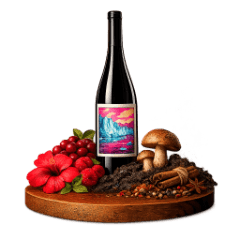
Down at the bottom of the world, things get chilly. This style trades the high-altitude heat of Mendoza for crisp southern breezes, resulting in a lean, mean, elegant machine that tastes like crushed berries and forest floors.
Down at the bottom of the world, things get chilly. This style trades the high-altitude heat of Mendoza for crisp southern breezes, resulting in a lean, mean, elegant machine that tastes like crushed berries and forest floors.
Argentinian Chardonnay
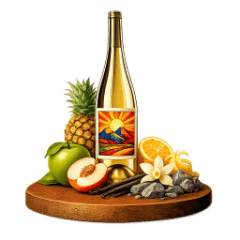
Forget everything you know about oaky butterbombs because this stuff breathes pure mountain air. It soaks up intense UV rays at dizzying heights to deliver crisp fruit that feels like biting into a cold apple on a hot day.
Forget everything you know about oaky butterbombs because this stuff breathes pure mountain air. It soaks up intense UV rays at dizzying heights to deliver crisp fruit that feels like biting into a cold apple on a hot day.
LATEST REVIEWS