«
Austria

Weinviertel
Weinviertel
Weinviertel
Austria's Spicy Backyard
Ideally situated north of Vienna, this massive expanse is where white pepper meets green fruit. It is the definition of crisp refreshment and holds the title for the country's largest viticultural area, dominating the map.
Ideally situated north of Vienna, this massive expanse is where white pepper meets green fruit. It is the definition of crisp refreshment and holds the title for the country's largest viticultural area, dominating the map.
Ideally situated north of Vienna, this massive expanse is where white pepper meets green fruit. It is the definition of crisp refreshment and holds the title for the country's largest viticultural area, dominating the map.

LEADERS



HELPERS





Why it's unique
DAC Birthplace
Pepper Kick
Massive Scale
Size matters here, but so does personality. This is the birthplace of the DAC system in Austria, setting the gold standard for origin-based quality. While it covers a massive chunk of land, the unifying factor is that distinct, undeniable white pepper kick found in the glasses. It is basically the spiritual home of Grüner Veltliner, producing oceans of the stuff without sacrificing that zesty soul.
Size matters here, but so does personality. This is the birthplace of the DAC system in Austria, setting the gold standard for origin-based quality. While it covers a massive chunk of land, the unifying factor is that distinct, undeniable white pepper kick found in the glasses. It is basically the spiritual home of Grüner Veltliner, producing oceans of the stuff without sacrificing that zesty soul.
Size matters here, but so does personality. This is the birthplace of the DAC system in Austria, setting the gold standard for origin-based quality. While it covers a massive chunk of land, the unifying factor is that distinct, undeniable white pepper kick found in the glasses. It is basically the spiritual home of Grüner Veltliner, producing oceans of the stuff without sacrificing that zesty soul.
Terroir
Deep Loess
Pannonian Heat
Windblown Dust
Loess is the magic word you need to know. These ancient, wind-blown dust dunes form deep, porous soils that Grüner Veltliner absolutely loves. Combined with the Pannonian climate - think hot, dry summers that ripen fruit perfectly and chilly nights that lock in acidity - the land creates wines with snap, crackle, and pop. It is a dry region where roots have to dig deep for treasure.
Loess is the magic word you need to know. These ancient, wind-blown dust dunes form deep, porous soils that Grüner Veltliner absolutely loves. Combined with the Pannonian climate - think hot, dry summers that ripen fruit perfectly and chilly nights that lock in acidity - the land creates wines with snap, crackle, and pop. It is a dry region where roots have to dig deep for treasure.
Loess is the magic word you need to know. These ancient, wind-blown dust dunes form deep, porous soils that Grüner Veltliner absolutely loves. Combined with the Pannonian climate - think hot, dry summers that ripen fruit perfectly and chilly nights that lock in acidity - the land creates wines with snap, crackle, and pop. It is a dry region where roots have to dig deep for treasure.
You gotta try
Classic DAC
Peppery White
Reserve Style
Your glass needs to be filled with a classic Weinviertel DAC immediately. These bottles are affordable joy, offering notes of green apple and that signature cracked black pepper finish. If you want to get fancy, hunt down a Reserve bottling. These are richer, denser, and show that this region isn't just about quaffable picnic juice but can actually age with serious grace and complexity.
Your glass needs to be filled with a classic Weinviertel DAC immediately. These bottles are affordable joy, offering notes of green apple and that signature cracked black pepper finish. If you want to get fancy, hunt down a Reserve bottling. These are richer, denser, and show that this region isn't just about quaffable picnic juice but can actually age with serious grace and complexity.
Your glass needs to be filled with a classic Weinviertel DAC immediately. These bottles are affordable joy, offering notes of green apple and that signature cracked black pepper finish. If you want to get fancy, hunt down a Reserve bottling. These are richer, denser, and show that this region isn't just about quaffable picnic juice but can actually age with serious grace and complexity.
LOCAL TALES
Villages Without Chimneys
Villages Without Chimneys
Villages Without Chimneys
Imagine walking through a village where nobody lives. Sounds spooky? In the Weinviertel, it is actually party central. These are the Kellergassen, or cellar lanes, affectionately known as villages without chimneys. Historically, farmers built their production facilities and storage tunnels right into the loess hillsides, away from their actual homes to keep the mess - and the smell of fermentation - separate. Today, these picturesque lanes are cultural hotspots where locals gather to drink, gossip, and escape their spouses. If you see a straw bundle hanging outside a door, it means the winemaker is open for business - step inside for a spritzer and a slice of bread with lard.
Imagine walking through a village where nobody lives. Sounds spooky? In the Weinviertel, it is actually party central. These are the Kellergassen, or cellar lanes, affectionately known as villages without chimneys. Historically, farmers built their production facilities and storage tunnels right into the loess hillsides, away from their actual homes to keep the mess - and the smell of fermentation - separate. Today, these picturesque lanes are cultural hotspots where locals gather to drink, gossip, and escape their spouses. If you see a straw bundle hanging outside a door, it means the winemaker is open for business - step inside for a spritzer and a slice of bread with lard.
Imagine walking through a village where nobody lives. Sounds spooky? In the Weinviertel, it is actually party central. These are the Kellergassen, or cellar lanes, affectionately known as villages without chimneys. Historically, farmers built their production facilities and storage tunnels right into the loess hillsides, away from their actual homes to keep the mess - and the smell of fermentation - separate. Today, these picturesque lanes are cultural hotspots where locals gather to drink, gossip, and escape their spouses. If you see a straw bundle hanging outside a door, it means the winemaker is open for business - step inside for a spritzer and a slice of bread with lard.
The Revolution of 2003
The Revolution of 2003
The Revolution of 2003
Before 2003, reading an Austrian wine label required a degree in chemistry to understand the sugar levels. Weinviertel decided enough was enough. They looked at their neighbors in Italy and France and thought, "Why don't we just tell people where it comes from and what it tastes like?" Thus, the Weinviertel DAC was born, the very first of its kind in Austria. They drew a line in the sand - or rather, the loess - and declared that if you put the region's name on the label, the bottle better taste like spicy, fruity Grüner Veltliner. It revolutionized the entire Austrian wine industry, moving the focus from ripeness to regional identity.
Before 2003, reading an Austrian wine label required a degree in chemistry to understand the sugar levels. Weinviertel decided enough was enough. They looked at their neighbors in Italy and France and thought, "Why don't we just tell people where it comes from and what it tastes like?" Thus, the Weinviertel DAC was born, the very first of its kind in Austria. They drew a line in the sand - or rather, the loess - and declared that if you put the region's name on the label, the bottle better taste like spicy, fruity Grüner Veltliner. It revolutionized the entire Austrian wine industry, moving the focus from ripeness to regional identity.
Before 2003, reading an Austrian wine label required a degree in chemistry to understand the sugar levels. Weinviertel decided enough was enough. They looked at their neighbors in Italy and France and thought, "Why don't we just tell people where it comes from and what it tastes like?" Thus, the Weinviertel DAC was born, the very first of its kind in Austria. They drew a line in the sand - or rather, the loess - and declared that if you put the region's name on the label, the bottle better taste like spicy, fruity Grüner Veltliner. It revolutionized the entire Austrian wine industry, moving the focus from ripeness to regional identity.
The Legend of the Pfefferl
The Legend of the Pfefferl
The Legend of the Pfefferl
Let's talk about the "Pfefferl." This isn't a sneezing fit but the adorable Austrian diminutive for that blast of black or white pepper you get when sniffing a glass of local Grüner Veltliner. While scientists argue about rotundone compounds, the locals have turned this sensory quirk into a mascot. It defines the region so heavily that for years, if a wine didn't make you think of a pepper grinder, it was looked at with suspicion. This spicy signature is actually driven by the specific combination of soil and climate here. It is not just a marketing gimmick - it is the earth talking to you, and usually, it is asking for a schnitzel to go with it.
Let's talk about the "Pfefferl." This isn't a sneezing fit but the adorable Austrian diminutive for that blast of black or white pepper you get when sniffing a glass of local Grüner Veltliner. While scientists argue about rotundone compounds, the locals have turned this sensory quirk into a mascot. It defines the region so heavily that for years, if a wine didn't make you think of a pepper grinder, it was looked at with suspicion. This spicy signature is actually driven by the specific combination of soil and climate here. It is not just a marketing gimmick - it is the earth talking to you, and usually, it is asking for a schnitzel to go with it.
Let's talk about the "Pfefferl." This isn't a sneezing fit but the adorable Austrian diminutive for that blast of black or white pepper you get when sniffing a glass of local Grüner Veltliner. While scientists argue about rotundone compounds, the locals have turned this sensory quirk into a mascot. It defines the region so heavily that for years, if a wine didn't make you think of a pepper grinder, it was looked at with suspicion. This spicy signature is actually driven by the specific combination of soil and climate here. It is not just a marketing gimmick - it is the earth talking to you, and usually, it is asking for a schnitzel to go with it.
LOCAL WINE STYLES

Austrian Grüner Veltliner
Austria's national treasure delivers a distinct punch of white pepper and green herbs. It acts like a crisp apple bite in a vegetable garden, offering a refreshing zest and savory snap that keeps the palate incredibly lively.
Austria's national treasure delivers a distinct punch of white pepper and green herbs. It acts like a crisp apple bite in a vegetable garden, offering a refreshing zest and savory snap that keeps the palate incredibly lively.
Austria's national treasure delivers a distinct punch of white pepper and green herbs. It acts like a crisp apple bite in a vegetable garden, offering a refreshing zest and savory snap that keeps the palate incredibly lively.
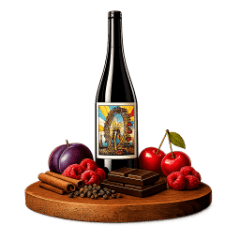
Austrian Zweigelt
Getting straight to the point, this red is your ultimate Friday night companion that doesn't demand a philosophy degree. It bursts with exuberant fruitiness and a peppery kick, making it effortlessly drinkable and widely adored across Vienna.
Getting straight to the point, this red is your ultimate Friday night companion that doesn't demand a philosophy degree. It bursts with exuberant fruitiness and a peppery kick, making it effortlessly drinkable and widely adored across Vienna.
Getting straight to the point, this red is your ultimate Friday night companion that doesn't demand a philosophy degree. It bursts with exuberant fruitiness and a peppery kick, making it effortlessly drinkable and widely adored across Vienna.
LATEST REVIEWS