«
Hungary

Sopron
Sopron
Sopron
Beans, Borders, Reds
Imagine a place where growing vegetables historically kept the winemakers solvent. This spot sits right on the Austrian fence and pumps out spicy reds that make you question why you ever drank Merlot. It is historic, windy, and undeniably focused.
Imagine a place where growing vegetables historically kept the winemakers solvent. This spot sits right on the Austrian fence and pumps out spicy reds that make you question why you ever drank Merlot. It is historic, windy, and undeniably focused.
Imagine a place where growing vegetables historically kept the winemakers solvent. This spot sits right on the Austrian fence and pumps out spicy reds that make you question why you ever drank Merlot. It is historic, windy, and undeniably focused.





Why it's unique
Kékfrankos Capital
Austrian Border
Poncihter Heritage
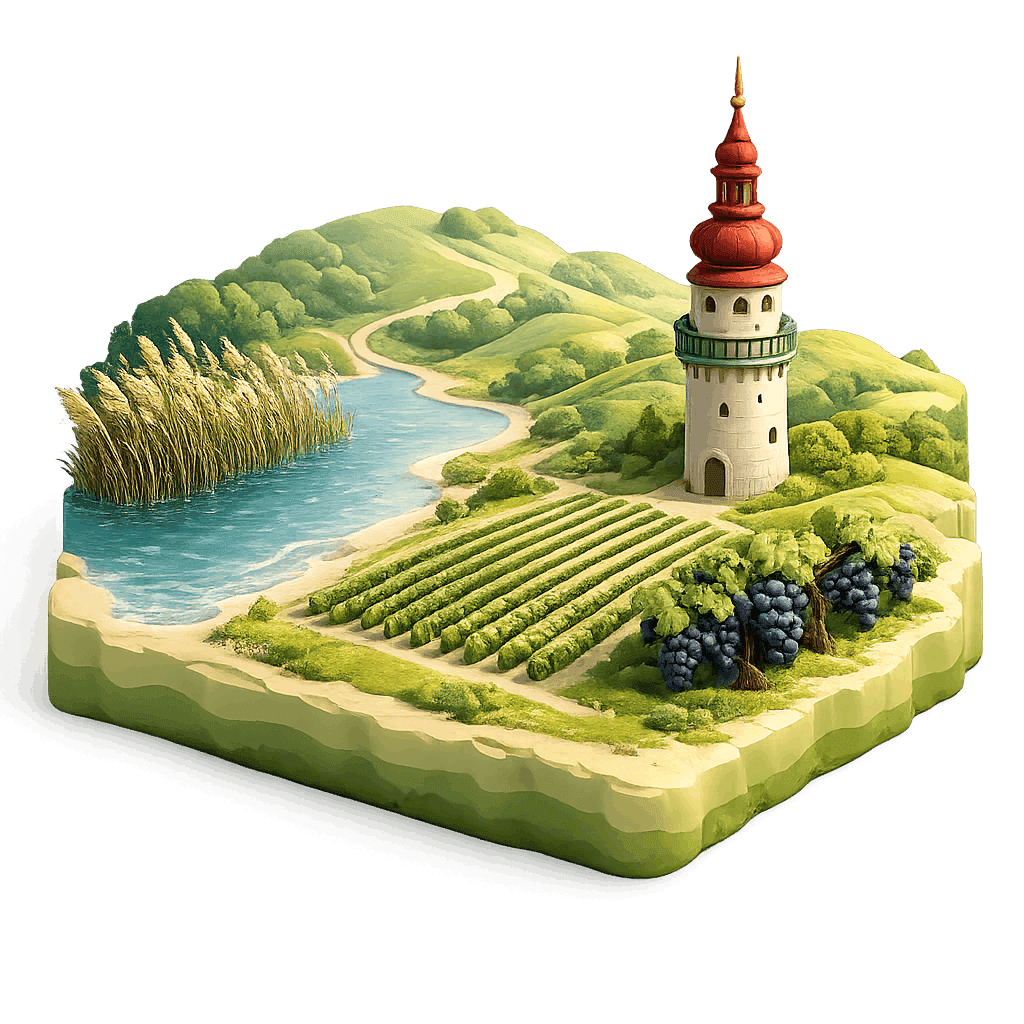
It is basically Burgenland's twin brother that stayed in Hungary after the divorce. Sopron is the undisputed capital of Kékfrankos, producing wines with serious acid backbone and a spicy kick. What makes it weirdly cool is the history of the Poncihters - winemakers who were so practical they utilized every inch of soil for food crops. It is arguably the most westernized red wine hub in the country yet keeps its ancient soul intact.
It is basically Burgenland's twin brother that stayed in Hungary after the divorce. Sopron is the undisputed capital of Kékfrankos, producing wines with serious acid backbone and a spicy kick. What makes it weirdly cool is the history of the Poncihters - winemakers who were so practical they utilized every inch of soil for food crops. It is arguably the most westernized red wine hub in the country yet keeps its ancient soul intact.
It is basically Burgenland's twin brother that stayed in Hungary after the divorce. Sopron is the undisputed capital of Kékfrankos, producing wines with serious acid backbone and a spicy kick. What makes it weirdly cool is the history of the Poncihters - winemakers who were so practical they utilized every inch of soil for food crops. It is arguably the most westernized red wine hub in the country yet keeps its ancient soul intact.
Terroir
Lake Fertő
Mica Schist
Constant Wind
Thank Lake Fertő for keeping things manageable here. This massive shallow body of water acts like a giant heater, preventing the vines from freezing to death during winter and tempering the summer heat. Couple that with constant winds that keep rot away and soils rich in gneiss and mica schist, and you get wines that are structured, mineral-driven, and rarely flabby. It is distinctively fresh and earthy.
Thank Lake Fertő for keeping things manageable here. This massive shallow body of water acts like a giant heater, preventing the vines from freezing to death during winter and tempering the summer heat. Couple that with constant winds that keep rot away and soils rich in gneiss and mica schist, and you get wines that are structured, mineral-driven, and rarely flabby. It is distinctively fresh and earthy.
Thank Lake Fertő for keeping things manageable here. This massive shallow body of water acts like a giant heater, preventing the vines from freezing to death during winter and tempering the summer heat. Couple that with constant winds that keep rot away and soils rich in gneiss and mica schist, and you get wines that are structured, mineral-driven, and rarely flabby. It is distinctively fresh and earthy.
You gotta try
Kékfrankos
Zöldveltelini
Sweet Wines
Start with Kékfrankos because avoiding it here is legally impossible. Look for single-vineyard bottlings to really understand the dirt. If you need a break from red, hunt down Zöldveltelini - that is Grüner Veltliner to the rest of the world - which offers a peppery snap. For dessert, a sweet wine from near the lake can rival Tokaj but with a completely different flavor profile.
Start with Kékfrankos because avoiding it here is legally impossible. Look for single-vineyard bottlings to really understand the dirt. If you need a break from red, hunt down Zöldveltelini - that is Grüner Veltliner to the rest of the world - which offers a peppery snap. For dessert, a sweet wine from near the lake can rival Tokaj but with a completely different flavor profile.
Start with Kékfrankos because avoiding it here is legally impossible. Look for single-vineyard bottlings to really understand the dirt. If you need a break from red, hunt down Zöldveltelini - that is Grüner Veltliner to the rest of the world - which offers a peppery snap. For dessert, a sweet wine from near the lake can rival Tokaj but with a completely different flavor profile.
LOCAL TALES
The Bean Counters
The Bean Counters
The Bean Counters
Back in the day, the local vignerons were predominantly German speakers known as Poncihters - derived from Bohnenzüchter or bean growers. These folks were frugal geniuses. Since they had to pay heavy taxes on their wine production, they decided to maximize their land usage by planting beans between the vine rows. This wasn't just about making a killer soup - the legumes actually added nitrogen to the soil, helping the vines thrive long before organic farming was a buzzword on Instagram. They lived in the city, kept wine in cellars under their houses, and ate a lot of bean strudel. If you visit today, ask for a slice - it pairs surprisingly well with the local red.
Back in the day, the local vignerons were predominantly German speakers known as Poncihters - derived from Bohnenzüchter or bean growers. These folks were frugal geniuses. Since they had to pay heavy taxes on their wine production, they decided to maximize their land usage by planting beans between the vine rows. This wasn't just about making a killer soup - the legumes actually added nitrogen to the soil, helping the vines thrive long before organic farming was a buzzword on Instagram. They lived in the city, kept wine in cellars under their houses, and ate a lot of bean strudel. If you visit today, ask for a slice - it pairs surprisingly well with the local red.
Back in the day, the local vignerons were predominantly German speakers known as Poncihters - derived from Bohnenzüchter or bean growers. These folks were frugal geniuses. Since they had to pay heavy taxes on their wine production, they decided to maximize their land usage by planting beans between the vine rows. This wasn't just about making a killer soup - the legumes actually added nitrogen to the soil, helping the vines thrive long before organic farming was a buzzword on Instagram. They lived in the city, kept wine in cellars under their houses, and ate a lot of bean strudel. If you visit today, ask for a slice - it pairs surprisingly well with the local red.
Napoleon's Blue Money
Napoleon's Blue Money
Napoleon's Blue Money
Legend has it that the name Kékfrankos comes from a bit of currency exchange drama during the Napoleonic Wars. When French soldiers were occupying the town in 1809, they had two types of money: worthless paper bills and valuable blue Francs. The local winemakers, being savvy business people, quickly realized the paper was trash. They refused to sell their best wine for anything less than the blue coins. Eventually, the premium red wine became synonymous with the currency used to buy it. While historians might roll their eyes and mutter about linguistic inaccuracies, it remains a fantastic story to tell while swirling a glass of this deep, spicy nectar.
Legend has it that the name Kékfrankos comes from a bit of currency exchange drama during the Napoleonic Wars. When French soldiers were occupying the town in 1809, they had two types of money: worthless paper bills and valuable blue Francs. The local winemakers, being savvy business people, quickly realized the paper was trash. They refused to sell their best wine for anything less than the blue coins. Eventually, the premium red wine became synonymous with the currency used to buy it. While historians might roll their eyes and mutter about linguistic inaccuracies, it remains a fantastic story to tell while swirling a glass of this deep, spicy nectar.
Legend has it that the name Kékfrankos comes from a bit of currency exchange drama during the Napoleonic Wars. When French soldiers were occupying the town in 1809, they had two types of money: worthless paper bills and valuable blue Francs. The local winemakers, being savvy business people, quickly realized the paper was trash. They refused to sell their best wine for anything less than the blue coins. Eventually, the premium red wine became synonymous with the currency used to buy it. While historians might roll their eyes and mutter about linguistic inaccuracies, it remains a fantastic story to tell while swirling a glass of this deep, spicy nectar.
The Bean-Growers
The Bean-Growers
The Bean-Growers
Sopron’s winemakers, known as "Poncihters," were the undisputed kings of multitasking. Crammed inside the city walls, they refused to waste dirt, planting beans right between their grapevines. It was the ultimate agricultural combo meal: dinner and drinks growing in the same row. They even lived directly above their cellars, making them the true pioneers of working from home. Their marketing strategy was equally low-tech: no town crier needed, just a pine branch hung over the door. It was the 19th-century equivalent of a "Party Here" pin drop. The beans are history, but the branches remain, silently daring you to invite yourself in.
Sopron’s winemakers, known as "Poncihters," were the undisputed kings of multitasking. Crammed inside the city walls, they refused to waste dirt, planting beans right between their grapevines. It was the ultimate agricultural combo meal: dinner and drinks growing in the same row. They even lived directly above their cellars, making them the true pioneers of working from home. Their marketing strategy was equally low-tech: no town crier needed, just a pine branch hung over the door. It was the 19th-century equivalent of a "Party Here" pin drop. The beans are history, but the branches remain, silently daring you to invite yourself in.
Sopron’s winemakers, known as "Poncihters," were the undisputed kings of multitasking. Crammed inside the city walls, they refused to waste dirt, planting beans right between their grapevines. It was the ultimate agricultural combo meal: dinner and drinks growing in the same row. They even lived directly above their cellars, making them the true pioneers of working from home. Their marketing strategy was equally low-tech: no town crier needed, just a pine branch hung over the door. It was the 19th-century equivalent of a "Party Here" pin drop. The beans are history, but the branches remain, silently daring you to invite yourself in.
LOCAL WINE STYLES
Hungarian Kékfrankos
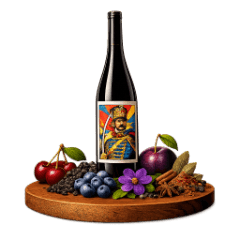
Kékfrankos acts like the reliable best friend who always brings great snacks to the party. It balances bright fruitiness with a peppery kick that wakes up your palate without overwhelming it, making every sip feel like a fresh start.
Kékfrankos acts like the reliable best friend who always brings great snacks to the party. It balances bright fruitiness with a peppery kick that wakes up your palate without overwhelming it, making every sip feel like a fresh start.
Kékfrankos acts like the reliable best friend who always brings great snacks to the party. It balances bright fruitiness with a peppery kick that wakes up your palate without overwhelming it, making every sip feel like a fresh start.
Hungarian Sparkling Wine
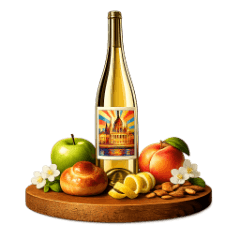
Imagine popping a cork in a fancy thermal bathhouse. This style combines razor-sharp acidity from local heroes like Furmint with traditional techniques to create an electric, frothy experience that rivals the big French names without the scary price tag.
Imagine popping a cork in a fancy thermal bathhouse. This style combines razor-sharp acidity from local heroes like Furmint with traditional techniques to create an electric, frothy experience that rivals the big French names without the scary price tag.
Imagine popping a cork in a fancy thermal bathhouse. This style combines razor-sharp acidity from local heroes like Furmint with traditional techniques to create an electric, frothy experience that rivals the big French names without the scary price tag.
LATEST REVIEWS