«
Austria

Kamptal
Kamptal
Kamptal
Spicy River Rocks
Situated around a winding river, this place is essentially a geological playground where hot days meet chilly nights to create wines that snap, crackle, and pop with zesty energy and serious mineral depth.
Situated around a winding river, this place is essentially a geological playground where hot days meet chilly nights to create wines that snap, crackle, and pop with zesty energy and serious mineral depth.
Situated around a winding river, this place is essentially a geological playground where hot days meet chilly nights to create wines that snap, crackle, and pop with zesty energy and serious mineral depth.



Why it's unique
Volcanic mountain
Largest town
High talent
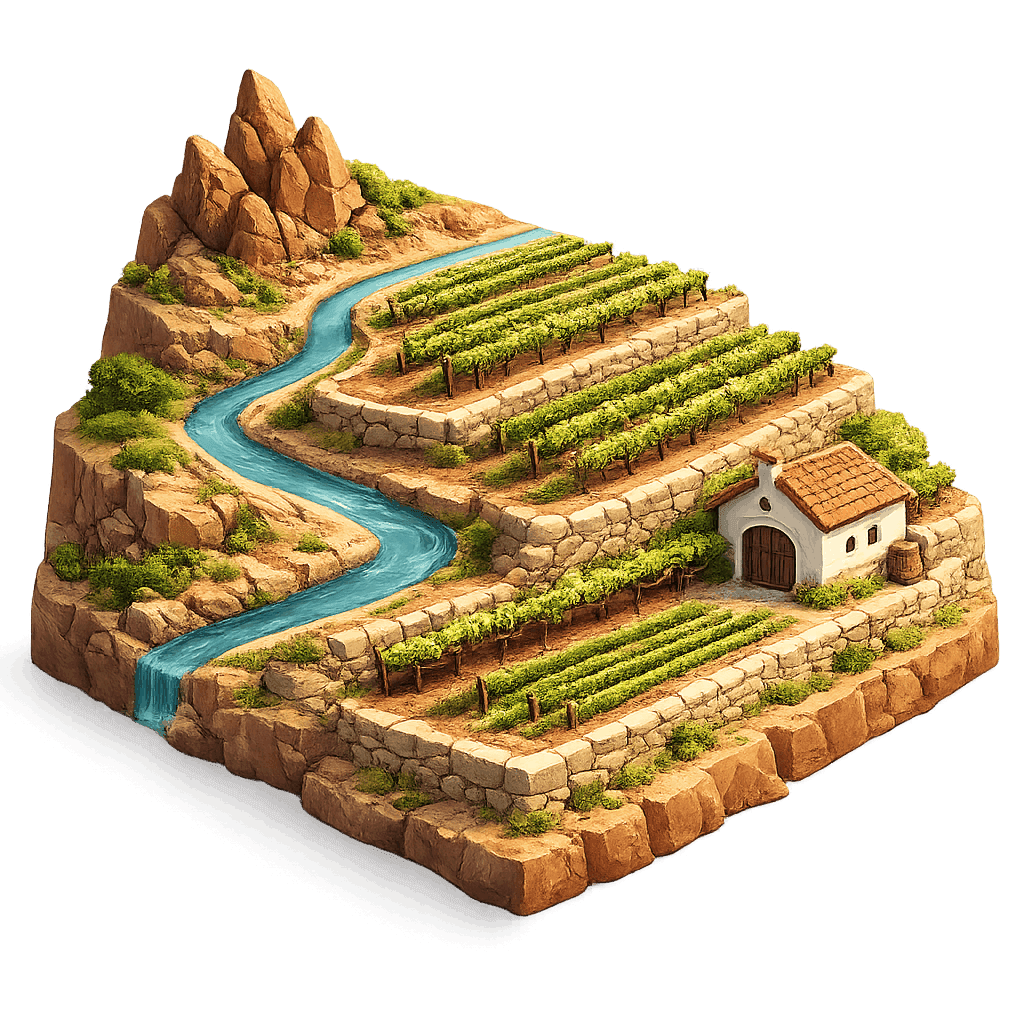
You are looking at home of Austria's largest wine-producing town, Langenlois, but the real star here is the Heiligenstein mountain. It is a geological freak of nature with desert-like flora and 270-million-year-old volcanic conglomerate that creates Riesling so precise it could cut glass. Add a massive concentration of top-tier producers within a tiny radius, and you get a density of talent that rivals any fancy French appellation.
You are looking at home of Austria's largest wine-producing town, Langenlois, but the real star here is the Heiligenstein mountain. It is a geological freak of nature with desert-like flora and 270-million-year-old volcanic conglomerate that creates Riesling so precise it could cut glass. Add a massive concentration of top-tier producers within a tiny radius, and you get a density of talent that rivals any fancy French appellation.
You are looking at home of Austria's largest wine-producing town, Langenlois, but the real star here is the Heiligenstein mountain. It is a geological freak of nature with desert-like flora and 270-million-year-old volcanic conglomerate that creates Riesling so precise it could cut glass. Add a massive concentration of top-tier producers within a tiny radius, and you get a density of talent that rivals any fancy French appellation.
Terroir
Temperature swings
Deep loess
Sandstone mix
Imagine a tug-of-war between the hot Pannonian plain blowing in from the east and the shivering cool breezes rolling down from the rugged Waldviertel in the north. This dramatic temperature swing locks incredible aromatics inside the skins. Underneath, you have got deep loess terraces making Grüner Veltliner rich and spicy, while rugged sandstone and volcanic conglomerates force Riesling to dig deep for that stony, smoky finish.
Imagine a tug-of-war between the hot Pannonian plain blowing in from the east and the shivering cool breezes rolling down from the rugged Waldviertel in the north. This dramatic temperature swing locks incredible aromatics inside the skins. Underneath, you have got deep loess terraces making Grüner Veltliner rich and spicy, while rugged sandstone and volcanic conglomerates force Riesling to dig deep for that stony, smoky finish.
Imagine a tug-of-war between the hot Pannonian plain blowing in from the east and the shivering cool breezes rolling down from the rugged Waldviertel in the north. This dramatic temperature swing locks incredible aromatics inside the skins. Underneath, you have got deep loess terraces making Grüner Veltliner rich and spicy, while rugged sandstone and volcanic conglomerates force Riesling to dig deep for that stony, smoky finish.
You gotta try
Heiligenstein Riesling
Reserve Grüner
Peppery kick
Grab a bottle of Riesling from the Heiligenstein vineyard immediately if you want to understand what liquid rocks taste like in the best possible way. For a peppery kick, hunt down a Reserve Grüner Veltliner from the lower loess soils. These bottles carry a texture and richness that pairs perfectly with Wiener Schnitzel or spicy Asian takeout, proving that white wine can definitely have muscle.
Grab a bottle of Riesling from the Heiligenstein vineyard immediately if you want to understand what liquid rocks taste like in the best possible way. For a peppery kick, hunt down a Reserve Grüner Veltliner from the lower loess soils. These bottles carry a texture and richness that pairs perfectly with Wiener Schnitzel or spicy Asian takeout, proving that white wine can definitely have muscle.
Grab a bottle of Riesling from the Heiligenstein vineyard immediately if you want to understand what liquid rocks taste like in the best possible way. For a peppery kick, hunt down a Reserve Grüner Veltliner from the lower loess soils. These bottles carry a texture and richness that pairs perfectly with Wiener Schnitzel or spicy Asian takeout, proving that white wine can definitely have muscle.
LOCAL TALES
The Mountain From Hell
The Mountain From Hell
The Mountain From Hell
Long before tourists were snapping selfies with glasses of Riesling, the Heiligenstein was a scorching Permian desert. We are talking about 270 million years ago when this place was baking in arid heat rather than fermented juice. The soil is a chaotic mix of sandstone and volcanic conglomerate that is so unique, the flora here thinks it lives in the Mediterranean. You can actually find plants growing on these terraces that usually refuse to exist this far north. It was originally called the "Höllenstein" or Hell Stone because the sun burned so fiercely there, but the monks decided that sounded a bit too satanic for their liking and rebranded it to the Holy Stone. Smart marketing.
Long before tourists were snapping selfies with glasses of Riesling, the Heiligenstein was a scorching Permian desert. We are talking about 270 million years ago when this place was baking in arid heat rather than fermented juice. The soil is a chaotic mix of sandstone and volcanic conglomerate that is so unique, the flora here thinks it lives in the Mediterranean. You can actually find plants growing on these terraces that usually refuse to exist this far north. It was originally called the "Höllenstein" or Hell Stone because the sun burned so fiercely there, but the monks decided that sounded a bit too satanic for their liking and rebranded it to the Holy Stone. Smart marketing.
Long before tourists were snapping selfies with glasses of Riesling, the Heiligenstein was a scorching Permian desert. We are talking about 270 million years ago when this place was baking in arid heat rather than fermented juice. The soil is a chaotic mix of sandstone and volcanic conglomerate that is so unique, the flora here thinks it lives in the Mediterranean. You can actually find plants growing on these terraces that usually refuse to exist this far north. It was originally called the "Höllenstein" or Hell Stone because the sun burned so fiercely there, but the monks decided that sounded a bit too satanic for their liking and rebranded it to the Holy Stone. Smart marketing.
Underground Wine Cathedral
Underground Wine Cathedral
Underground Wine Cathedral
While many regions rely on dusty castles to impress visitors, Kamptal decided to go full sci-fi with the Loisium. Imagine a massive aluminum cube tilting into the earth, designed by star architect Steven Holl. It looks like a spaceship crash-landed in the vineyards of Langenlois. But the real magic happens underneath. They revived a labyrinth of ancient cellars that stretch for kilometers, complete with light shows and mystic chanting sounds that make you wonder if you joined a wine cult. It represents how this region respects tradition but is not afraid to look thoroughly modern. It is an underground playground that proves wine education does not have to be boring or stuffy.
While many regions rely on dusty castles to impress visitors, Kamptal decided to go full sci-fi with the Loisium. Imagine a massive aluminum cube tilting into the earth, designed by star architect Steven Holl. It looks like a spaceship crash-landed in the vineyards of Langenlois. But the real magic happens underneath. They revived a labyrinth of ancient cellars that stretch for kilometers, complete with light shows and mystic chanting sounds that make you wonder if you joined a wine cult. It represents how this region respects tradition but is not afraid to look thoroughly modern. It is an underground playground that proves wine education does not have to be boring or stuffy.
While many regions rely on dusty castles to impress visitors, Kamptal decided to go full sci-fi with the Loisium. Imagine a massive aluminum cube tilting into the earth, designed by star architect Steven Holl. It looks like a spaceship crash-landed in the vineyards of Langenlois. But the real magic happens underneath. They revived a labyrinth of ancient cellars that stretch for kilometers, complete with light shows and mystic chanting sounds that make you wonder if you joined a wine cult. It represents how this region respects tradition but is not afraid to look thoroughly modern. It is an underground playground that proves wine education does not have to be boring or stuffy.
The Capital of Corks
The Capital of Corks
The Capital of Corks
Langenlois might look like a quaint village on a postcard, but do not let the sleepy vibes fool you. This is technically Austria's largest wine-growing town, which means nearly everyone here is involved in the business of fermentation. If you throw a rock in the town square, you will likely hit a winemaker, a cooper, or someone who just really enjoys a Spritzer. This intense concentration of viticulture created a competitive yet friendly atmosphere where neighbors push each other to make better bottles every vintage. It is not just a town but a community entirely obsessed with grapes, where the local gossip is less about scandals and more about Brix levels.
Langenlois might look like a quaint village on a postcard, but do not let the sleepy vibes fool you. This is technically Austria's largest wine-growing town, which means nearly everyone here is involved in the business of fermentation. If you throw a rock in the town square, you will likely hit a winemaker, a cooper, or someone who just really enjoys a Spritzer. This intense concentration of viticulture created a competitive yet friendly atmosphere where neighbors push each other to make better bottles every vintage. It is not just a town but a community entirely obsessed with grapes, where the local gossip is less about scandals and more about Brix levels.
Langenlois might look like a quaint village on a postcard, but do not let the sleepy vibes fool you. This is technically Austria's largest wine-growing town, which means nearly everyone here is involved in the business of fermentation. If you throw a rock in the town square, you will likely hit a winemaker, a cooper, or someone who just really enjoys a Spritzer. This intense concentration of viticulture created a competitive yet friendly atmosphere where neighbors push each other to make better bottles every vintage. It is not just a town but a community entirely obsessed with grapes, where the local gossip is less about scandals and more about Brix levels.
LOCAL WINE STYLES
Austrian Grüner Veltliner
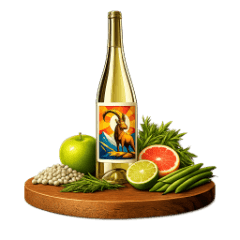
Austria's national treasure delivers a distinct punch of white pepper and green herbs. It acts like a crisp apple bite in a vegetable garden, offering a refreshing zest and savory snap that keeps the palate incredibly lively.
Austria's national treasure delivers a distinct punch of white pepper and green herbs. It acts like a crisp apple bite in a vegetable garden, offering a refreshing zest and savory snap that keeps the palate incredibly lively.
Austria's national treasure delivers a distinct punch of white pepper and green herbs. It acts like a crisp apple bite in a vegetable garden, offering a refreshing zest and savory snap that keeps the palate incredibly lively.
Austrian Riesling
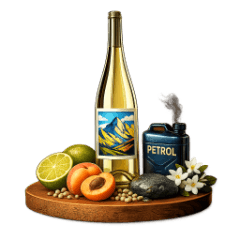
Imagine licking a wet rock while biting into a peach. This isn't the sweet German stuff your grandma kept in the fridge. It is bone-dry, fiercely elegant, and packs a punch of pure mineral energy.
Imagine licking a wet rock while biting into a peach. This isn't the sweet German stuff your grandma kept in the fridge. It is bone-dry, fiercely elegant, and packs a punch of pure mineral energy.
Imagine licking a wet rock while biting into a peach. This isn't the sweet German stuff your grandma kept in the fridge. It is bone-dry, fiercely elegant, and packs a punch of pure mineral energy.
LATEST REVIEWS