«
Switzerland

Genève
Genève
Genève
Urban Vine Haven
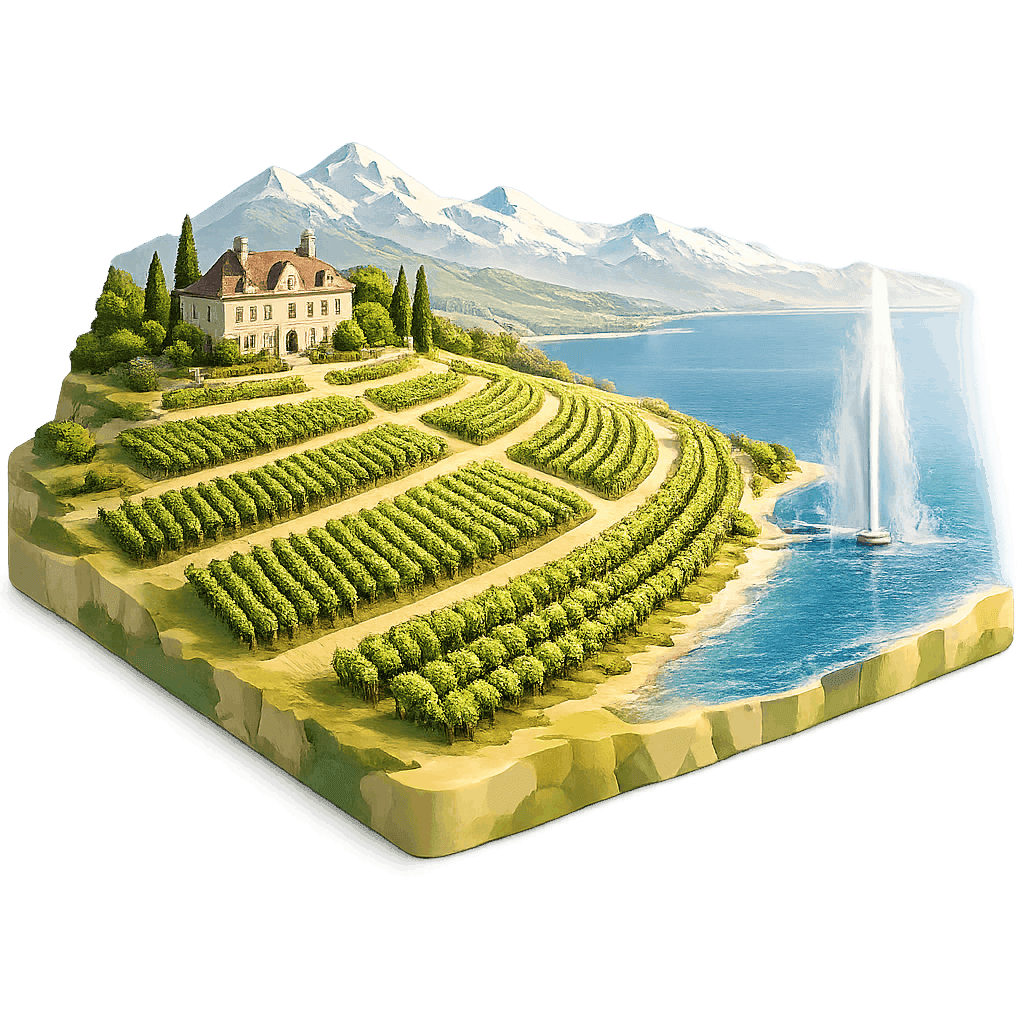
Surrounded by France on three sides, this area manages to squeeze serious viticulture in between international summits. It is Switzerland’s third-largest wine producer, proving you can wear a suit and still get your hands dirty in the soil.
Surrounded by France on three sides, this area manages to squeeze serious viticulture in between international summits. It is Switzerland’s third-largest wine producer, proving you can wear a suit and still get your hands dirty in the soil.
Surrounded by France on three sides, this area manages to squeeze serious viticulture in between international summits. It is Switzerland’s third-largest wine producer, proving you can wear a suit and still get your hands dirty in the soil.




Why it's unique
Variety king
Gamay capital
Innovative spirit
Diversity is the name of the game here. While other regions cling to tradition like a safety blanket, Geneva embraces experimentation. You will find everything from classic Chasselas to bold Cabernet Sauvignon. It is arguably the Swiss capital of Gamay, producing versions that rival their Beaujolais cousins. Winemakers here aren't afraid to break the rules, resulting in a dynamic scene that keeps your palate guessing.
Diversity is the name of the game here. While other regions cling to tradition like a safety blanket, Geneva embraces experimentation. You will find everything from classic Chasselas to bold Cabernet Sauvignon. It is arguably the Swiss capital of Gamay, producing versions that rival their Beaujolais cousins. Winemakers here aren't afraid to break the rules, resulting in a dynamic scene that keeps your palate guessing.
Diversity is the name of the game here. While other regions cling to tradition like a safety blanket, Geneva embraces experimentation. You will find everything from classic Chasselas to bold Cabernet Sauvignon. It is arguably the Swiss capital of Gamay, producing versions that rival their Beaujolais cousins. Winemakers here aren't afraid to break the rules, resulting in a dynamic scene that keeps your palate guessing.
Terroir
Lake effect
River warmth
Mixed soils
Proximity to Lake Geneva and the Rhône river acts like a giant radiator, moderating temperatures so vines do not freeze in winter. Soils range from gravelly deposits near the water to heavier clay and molasse further inland. This mix allows both delicate whites and structured reds to thrive within shouting distance of each other. It is a climatic sweet spot protected by the Jura mountains and the Alps.
Proximity to Lake Geneva and the Rhône river acts like a giant radiator, moderating temperatures so vines do not freeze in winter. Soils range from gravelly deposits near the water to heavier clay and molasse further inland. This mix allows both delicate whites and structured reds to thrive within shouting distance of each other. It is a climatic sweet spot protected by the Jura mountains and the Alps.
Proximity to Lake Geneva and the Rhône river acts like a giant radiator, moderating temperatures so vines do not freeze in winter. Soils range from gravelly deposits near the water to heavier clay and molasse further inland. This mix allows both delicate whites and structured reds to thrive within shouting distance of each other. It is a climatic sweet spot protected by the Jura mountains and the Alps.
You gotta try
Spicy Gamay
Zippy Perlan
Swiss Crosses
Grab a bottle of Gamay immediately. Unlike the bubblegum stuff you might remember from the 90s, Geneva makes it spicy, fruity, and serious. For whites, Chasselas goes by the alias Perlan here - it is floral and zippy. Do not leave without tasting Gamaret or Garanoir, two local crossbreeds that were literally invented to survive the Swiss climate and taste delicious while doing it.
Grab a bottle of Gamay immediately. Unlike the bubblegum stuff you might remember from the 90s, Geneva makes it spicy, fruity, and serious. For whites, Chasselas goes by the alias Perlan here - it is floral and zippy. Do not leave without tasting Gamaret or Garanoir, two local crossbreeds that were literally invented to survive the Swiss climate and taste delicious while doing it.
Grab a bottle of Gamay immediately. Unlike the bubblegum stuff you might remember from the 90s, Geneva makes it spicy, fruity, and serious. For whites, Chasselas goes by the alias Perlan here - it is floral and zippy. Do not leave without tasting Gamaret or Garanoir, two local crossbreeds that were literally invented to survive the Swiss climate and taste delicious while doing it.
LOCAL TALES
The Alias Agent
The Alias Agent
The Alias Agent
Imagine being so ubiquitous you need a stage name. Chasselas is the most planted white grape in Switzerland, but in Geneva, locals felt it needed a rebranding to stand out from the Vaud neighbors. They call it Perlan. Why? Because historically, the wine had a slight natural fizz or "pearl" on the tongue. It was the drink of choice for watchmakers and bankers alike during lunch breaks. While the fizz is mostly gone in modern styles, the name stuck. It is a charming reminder that Geneva likes to do things slightly differently, even if it is just renaming the country's most famous white wine to sound a bit fancier.
Imagine being so ubiquitous you need a stage name. Chasselas is the most planted white grape in Switzerland, but in Geneva, locals felt it needed a rebranding to stand out from the Vaud neighbors. They call it Perlan. Why? Because historically, the wine had a slight natural fizz or "pearl" on the tongue. It was the drink of choice for watchmakers and bankers alike during lunch breaks. While the fizz is mostly gone in modern styles, the name stuck. It is a charming reminder that Geneva likes to do things slightly differently, even if it is just renaming the country's most famous white wine to sound a bit fancier.
Imagine being so ubiquitous you need a stage name. Chasselas is the most planted white grape in Switzerland, but in Geneva, locals felt it needed a rebranding to stand out from the Vaud neighbors. They call it Perlan. Why? Because historically, the wine had a slight natural fizz or "pearl" on the tongue. It was the drink of choice for watchmakers and bankers alike during lunch breaks. While the fizz is mostly gone in modern styles, the name stuck. It is a charming reminder that Geneva likes to do things slightly differently, even if it is just renaming the country's most famous white wine to sound a bit fancier.
The Science Experiment
The Science Experiment
The Science Experiment
Okay, maybe not a mad science experiment, but close. In the 1970s, Swiss scientists at the Pully research station decided they needed red wines that resisted rot and ripened early. They played matchmaker between Gamay and Reichensteiner to see what would happen. The result? Gamaret and Garanoir. These aren't GMO monstrosities but traditionally bred siblings that changed the game. Geneva embraced these new kids on the block with open arms. Today, these varieties are the backbone of many robust red blends in the canton. It turns out that science and nature can actually get along quite well, providing spicy, dark wines that have become a signature of the region's forward-thinking mindset.
Okay, maybe not a mad science experiment, but close. In the 1970s, Swiss scientists at the Pully research station decided they needed red wines that resisted rot and ripened early. They played matchmaker between Gamay and Reichensteiner to see what would happen. The result? Gamaret and Garanoir. These aren't GMO monstrosities but traditionally bred siblings that changed the game. Geneva embraced these new kids on the block with open arms. Today, these varieties are the backbone of many robust red blends in the canton. It turns out that science and nature can actually get along quite well, providing spicy, dark wines that have become a signature of the region's forward-thinking mindset.
Okay, maybe not a mad science experiment, but close. In the 1970s, Swiss scientists at the Pully research station decided they needed red wines that resisted rot and ripened early. They played matchmaker between Gamay and Reichensteiner to see what would happen. The result? Gamaret and Garanoir. These aren't GMO monstrosities but traditionally bred siblings that changed the game. Geneva embraced these new kids on the block with open arms. Today, these varieties are the backbone of many robust red blends in the canton. It turns out that science and nature can actually get along quite well, providing spicy, dark wines that have become a signature of the region's forward-thinking mindset.
Passport to Drinking
Passport to Drinking
Passport to Drinking
Geneva pioneered the concept of "Caves Ouvertes" or Open Cellars in Switzerland. Back in the day, visiting a winery felt a bit like trespassing on private property unless you had an appointment. The winemakers of Geneva decided to flip the script by simultaneously throwing their doors open to the public for a weekend. It became a massive localized festival. You buy a generic glass for a few francs and then roam from village to village, tasting whatever is open. It transformed wine tasting from a snobby, exclusive activity into a democratic, chaotic, and joyous community event. Now, the whole country does it, but Geneva can proudly say they started the party.
Geneva pioneered the concept of "Caves Ouvertes" or Open Cellars in Switzerland. Back in the day, visiting a winery felt a bit like trespassing on private property unless you had an appointment. The winemakers of Geneva decided to flip the script by simultaneously throwing their doors open to the public for a weekend. It became a massive localized festival. You buy a generic glass for a few francs and then roam from village to village, tasting whatever is open. It transformed wine tasting from a snobby, exclusive activity into a democratic, chaotic, and joyous community event. Now, the whole country does it, but Geneva can proudly say they started the party.
Geneva pioneered the concept of "Caves Ouvertes" or Open Cellars in Switzerland. Back in the day, visiting a winery felt a bit like trespassing on private property unless you had an appointment. The winemakers of Geneva decided to flip the script by simultaneously throwing their doors open to the public for a weekend. It became a massive localized festival. You buy a generic glass for a few francs and then roam from village to village, tasting whatever is open. It transformed wine tasting from a snobby, exclusive activity into a democratic, chaotic, and joyous community event. Now, the whole country does it, but Geneva can proudly say they started the party.
LOCAL WINE STYLES
Swiss Chasselas
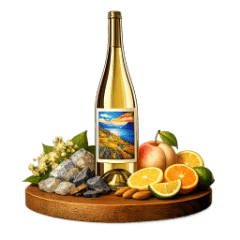
If you think neutrality is boring, think again. This white wine acts like a blank canvas for the soil it grows in, offering a delicate, minerally sip that pairs with fondue better than anything else on earth.
If you think neutrality is boring, think again. This white wine acts like a blank canvas for the soil it grows in, offering a delicate, minerally sip that pairs with fondue better than anything else on earth.
If you think neutrality is boring, think again. This white wine acts like a blank canvas for the soil it grows in, offering a delicate, minerally sip that pairs with fondue better than anything else on earth.
Swiss Pinot Noir
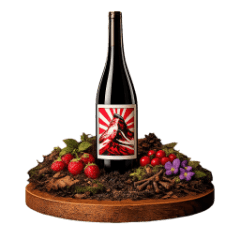
Imagine Pinot Noir went on a hiking trip in the Alps and came back leaner, fresher, and smelling like wild berries. It is the dominant red here, offering elegance rather than brute force.
Imagine Pinot Noir went on a hiking trip in the Alps and came back leaner, fresher, and smelling like wild berries. It is the dominant red here, offering elegance rather than brute force.
Imagine Pinot Noir went on a hiking trip in the Alps and came back leaner, fresher, and smelling like wild berries. It is the dominant red here, offering elegance rather than brute force.
LATEST REVIEWS