«
Greece

Cephalonia
Cephalonia
Cephalonia
Robola's Island Throne
Forget Captain Corelli for a second because this Ionian giant is actually a serious white wine powerhouse. Jagged limestone peaks meet the turquoise sea here to create something undeniably crisp, mineral-driven, and totally electric.
Forget Captain Corelli for a second because this Ionian giant is actually a serious white wine powerhouse. Jagged limestone peaks meet the turquoise sea here to create something undeniably crisp, mineral-driven, and totally electric.
Forget Captain Corelli for a second because this Ionian giant is actually a serious white wine powerhouse. Jagged limestone peaks meet the turquoise sea here to create something undeniably crisp, mineral-driven, and totally electric.
Why it's unique
Ungrafted vines
High altitude
Mountainous terrain
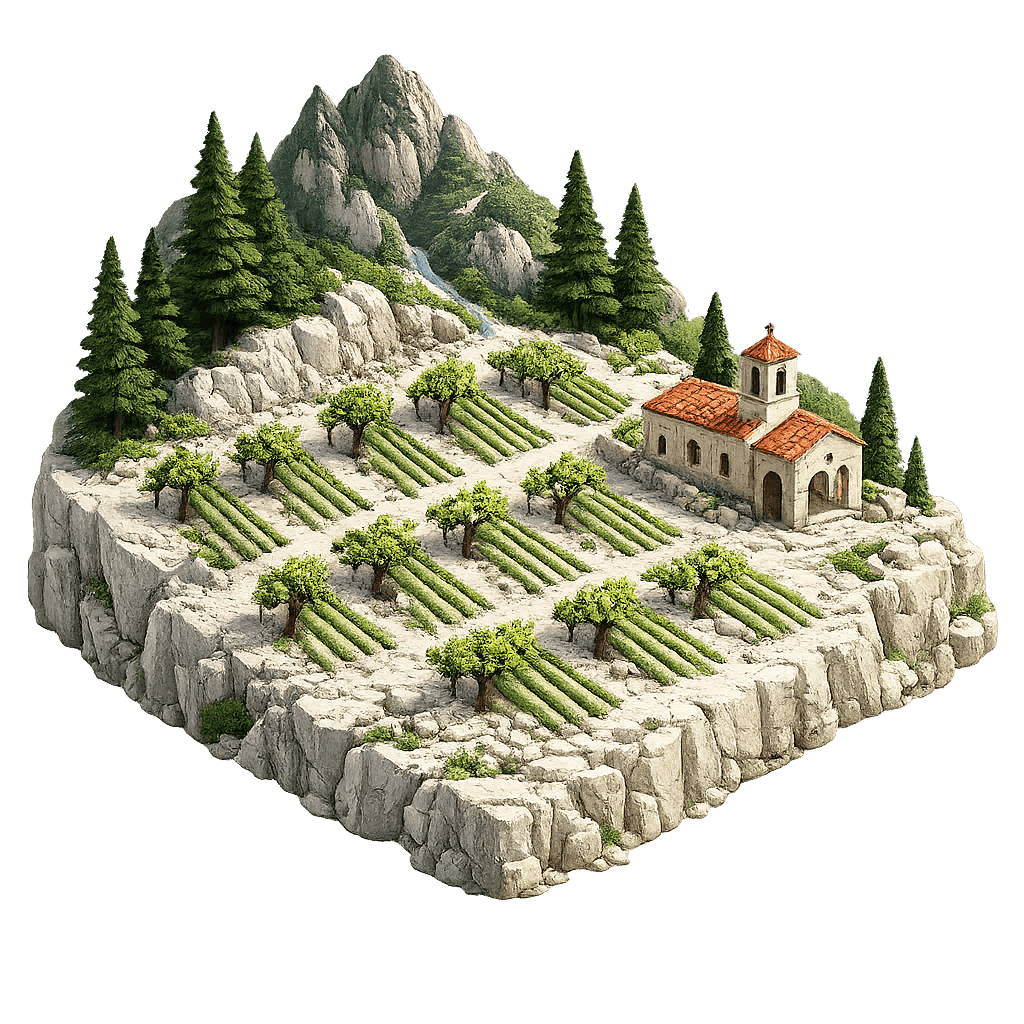
Most Greek islands look like barren rocks, but this place is lush, green, and incredibly mountainous. Unusually, Robola often grows here on its own roots since phylloxera struggled to conquer the steep, rocky terrain. High-altitude viticulture is extreme here, with vines practically hiding inside limestone crevices to survive the sun. It is basically rock climbing, but with delicious wine as the prize.
Most Greek islands look like barren rocks, but this place is lush, green, and incredibly mountainous. Unusually, Robola often grows here on its own roots since phylloxera struggled to conquer the steep, rocky terrain. High-altitude viticulture is extreme here, with vines practically hiding inside limestone crevices to survive the sun. It is basically rock climbing, but with delicious wine as the prize.
Most Greek islands look like barren rocks, but this place is lush, green, and incredibly mountainous. Unusually, Robola often grows here on its own roots since phylloxera struggled to conquer the steep, rocky terrain. High-altitude viticulture is extreme here, with vines practically hiding inside limestone crevices to survive the sun. It is basically rock climbing, but with delicious wine as the prize.
Terroir
Pure limestone
Sea breezes
Rocky soils
Limestone reigns supreme on this island. In fact, the soil is so incredibly rocky that the Venetians historically called the local produce "vino di sasso" or wine of stone. Extreme elevation keeps the temperatures surprisingly cool, while salty sea breezes act as a natural air conditioner. This combination preserves razor-sharp acidity in Robola, preventing it from getting baked by the Mediterranean sun.
Limestone reigns supreme on this island. In fact, the soil is so incredibly rocky that the Venetians historically called the local produce "vino di sasso" or wine of stone. Extreme elevation keeps the temperatures surprisingly cool, while salty sea breezes act as a natural air conditioner. This combination preserves razor-sharp acidity in Robola, preventing it from getting baked by the Mediterranean sun.
Limestone reigns supreme on this island. In fact, the soil is so incredibly rocky that the Venetians historically called the local produce "vino di sasso" or wine of stone. Extreme elevation keeps the temperatures surprisingly cool, while salty sea breezes act as a natural air conditioner. This combination preserves razor-sharp acidity in Robola, preventing it from getting baked by the Mediterranean sun.
You gotta try
Electric Robola
Dry Mavrodaphne
Mineral whites
Grab a bottle of high-altitude Robola immediately. It smells like lemons smashed against wet pavement and tastes like pure electricity. If you prefer red, hunt down a dry Mavrodaphne. Unlike the famous sweet styles, this dry take is savory, earthy, and packed with dark cherry notes. It is a serious dinner wine that demands a lamb chop or two.
Grab a bottle of high-altitude Robola immediately. It smells like lemons smashed against wet pavement and tastes like pure electricity. If you prefer red, hunt down a dry Mavrodaphne. Unlike the famous sweet styles, this dry take is savory, earthy, and packed with dark cherry notes. It is a serious dinner wine that demands a lamb chop or two.
Grab a bottle of high-altitude Robola immediately. It smells like lemons smashed against wet pavement and tastes like pure electricity. If you prefer red, hunt down a dry Mavrodaphne. Unlike the famous sweet styles, this dry take is savory, earthy, and packed with dark cherry notes. It is a serious dinner wine that demands a lamb chop or two.
LOCAL TALES
The Captain's Mandolin Effect
The Captain's Mandolin Effect
The Captain's Mandolin Effect
Before Hollywood arrived, this island was quietly making excellent wine for locals and savvy travelers. Then Captain Corelli's Mandolin hit the bookshelves and later the big screen. Suddenly, everyone wanted to see where Penélope Cruz fell in love. While the movie brought tourists in droves, it actually helped save some old vineyards from being abandoned. Farmers realized their land had value beyond just goat grazing. So, in a weird twist of fate, we have Nicolas Cage to thank for keeping some of that delicious Robola in production.
Before Hollywood arrived, this island was quietly making excellent wine for locals and savvy travelers. Then Captain Corelli's Mandolin hit the bookshelves and later the big screen. Suddenly, everyone wanted to see where Penélope Cruz fell in love. While the movie brought tourists in droves, it actually helped save some old vineyards from being abandoned. Farmers realized their land had value beyond just goat grazing. So, in a weird twist of fate, we have Nicolas Cage to thank for keeping some of that delicious Robola in production.
Before Hollywood arrived, this island was quietly making excellent wine for locals and savvy travelers. Then Captain Corelli's Mandolin hit the bookshelves and later the big screen. Suddenly, everyone wanted to see where Penélope Cruz fell in love. While the movie brought tourists in droves, it actually helped save some old vineyards from being abandoned. Farmers realized their land had value beyond just goat grazing. So, in a weird twist of fate, we have Nicolas Cage to thank for keeping some of that delicious Robola in production.
The Venetians and the Stone Wine
The Venetians and the Stone Wine
The Venetians and the Stone Wine
When the Venetians ruled the waves and this island, they were absolutely obsessed with the local white wine. They realized the vines were growing out of pure limestone rubble with barely any dirt in sight. They coined the term "Vino di Sasso" - Wine of Stone. It wasn't just a poetic name - it was a mark of distinction. They valued this mineral-rich juice so much that they shipped barrels of it back to Venice to fuel their masquerade balls. That specific high-acid style is still the benchmark today.
When the Venetians ruled the waves and this island, they were absolutely obsessed with the local white wine. They realized the vines were growing out of pure limestone rubble with barely any dirt in sight. They coined the term "Vino di Sasso" - Wine of Stone. It wasn't just a poetic name - it was a mark of distinction. They valued this mineral-rich juice so much that they shipped barrels of it back to Venice to fuel their masquerade balls. That specific high-acid style is still the benchmark today.
When the Venetians ruled the waves and this island, they were absolutely obsessed with the local white wine. They realized the vines were growing out of pure limestone rubble with barely any dirt in sight. They coined the term "Vino di Sasso" - Wine of Stone. It wasn't just a poetic name - it was a mark of distinction. They valued this mineral-rich juice so much that they shipped barrels of it back to Venice to fuel their masquerade balls. That specific high-acid style is still the benchmark today.
The Mystery of the Missing Phylloxera
The Mystery of the Missing Phylloxera
The Mystery of the Missing Phylloxera
In the late 19th century, the phylloxera louse destroyed almost every vineyard in Europe by eating vine roots. It was an agricultural apocalypse. But on the high slopes of Mount Ainos, the louse hit a wall - or rather, a rock. The soil was so rocky and limestone-heavy that the bug simply couldn't travel through it. This means that many Robola vines here are "ungrafted," meaning they are growing on their original roots rather than American rootstock. It is a rare connection to ancient history you can actually taste.
In the late 19th century, the phylloxera louse destroyed almost every vineyard in Europe by eating vine roots. It was an agricultural apocalypse. But on the high slopes of Mount Ainos, the louse hit a wall - or rather, a rock. The soil was so rocky and limestone-heavy that the bug simply couldn't travel through it. This means that many Robola vines here are "ungrafted," meaning they are growing on their original roots rather than American rootstock. It is a rare connection to ancient history you can actually taste.
In the late 19th century, the phylloxera louse destroyed almost every vineyard in Europe by eating vine roots. It was an agricultural apocalypse. But on the high slopes of Mount Ainos, the louse hit a wall - or rather, a rock. The soil was so rocky and limestone-heavy that the bug simply couldn't travel through it. This means that many Robola vines here are "ungrafted," meaning they are growing on their original roots rather than American rootstock. It is a rare connection to ancient history you can actually taste.
LOCAL WINE STYLES
Greek Robola
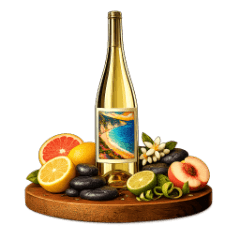
Think of this as liquid limestone straight from the steep cliffs of Kefalonia. It is sharp, incredibly focused, and refreshing enough to wake you up from a coma, bringing zesty energy to your seafood platter.
Think of this as liquid limestone straight from the steep cliffs of Kefalonia. It is sharp, incredibly focused, and refreshing enough to wake you up from a coma, bringing zesty energy to your seafood platter.
Think of this as liquid limestone straight from the steep cliffs of Kefalonia. It is sharp, incredibly focused, and refreshing enough to wake you up from a coma, bringing zesty energy to your seafood platter.
Greek Malagousia
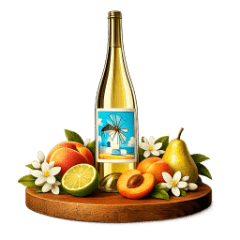
Nearly extinct until the 1970s, Malagousia roared back to life to become a superstar. It is lush, oily, and smells like a garden party in full bloom. Expect a texture that hugs your tongue and flavors that scream summer.
Nearly extinct until the 1970s, Malagousia roared back to life to become a superstar. It is lush, oily, and smells like a garden party in full bloom. Expect a texture that hugs your tongue and flavors that scream summer.
Nearly extinct until the 1970s, Malagousia roared back to life to become a superstar. It is lush, oily, and smells like a garden party in full bloom. Expect a texture that hugs your tongue and flavors that scream summer.
LATEST REVIEWS