«
New Zealand

Central Otago
Central Otago
Central Otago
Alpine Pinot Playground
Located way down south, this place teeters on the edge of what is possible for winemaking. It is dramatic, chilly, and spectacularly scenic, turning extreme conditions into liquid gold that makes sommeliers weak in the knees.
Located way down south, this place teeters on the edge of what is possible for winemaking. It is dramatic, chilly, and spectacularly scenic, turning extreme conditions into liquid gold that makes sommeliers weak in the knees.
Located way down south, this place teeters on the edge of what is possible for winemaking. It is dramatic, chilly, and spectacularly scenic, turning extreme conditions into liquid gold that makes sommeliers weak in the knees.



Why it's unique
Southernmost
Intense
Adventurous
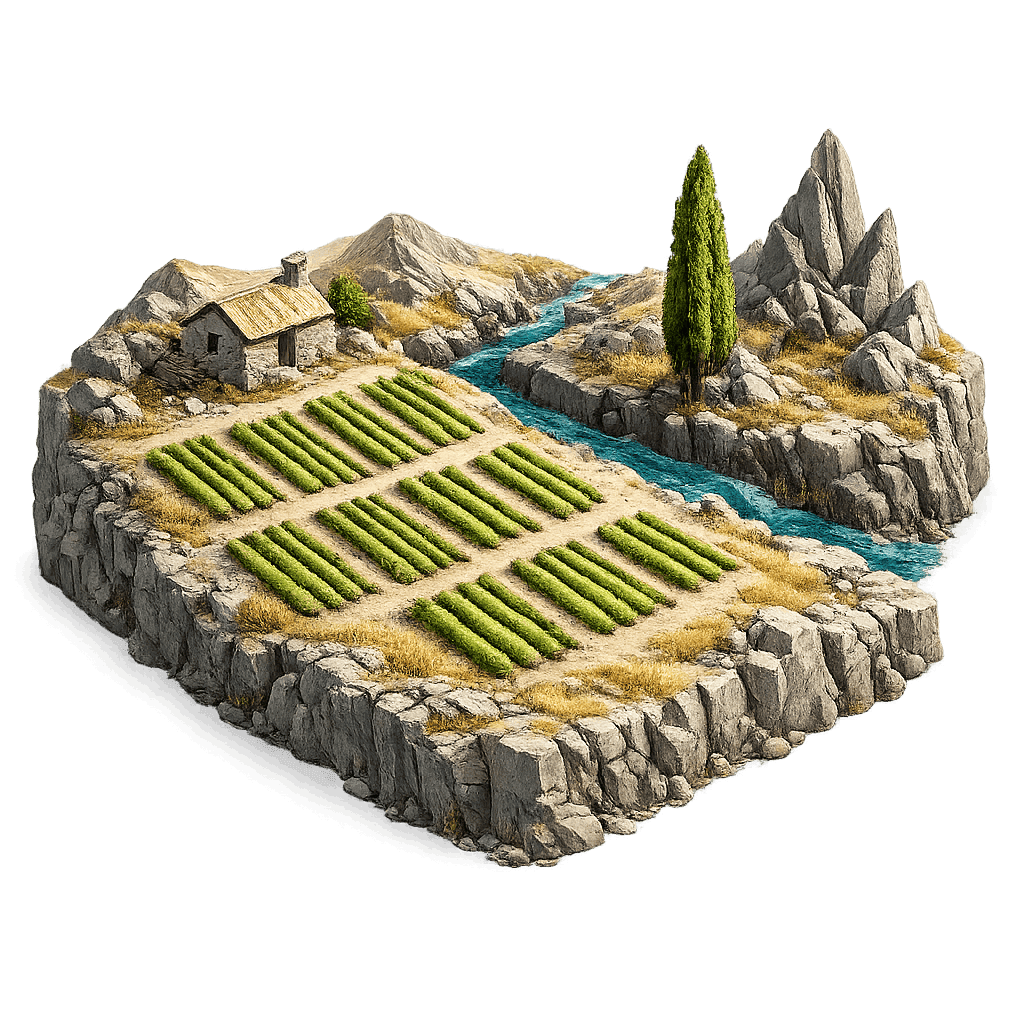
You are looking at the world’s southernmost major wine region. It is not just about bragging rights - this geographic extreme creates wines with an intensity that hits you like a snowball to the face. Everything here is on the edge, from the jagged mountains to the risky frost seasons, resulting in Pinot Noir that is vibrant, concentrated, and unapologetically bold.
You are looking at the world’s southernmost major wine region. It is not just about bragging rights - this geographic extreme creates wines with an intensity that hits you like a snowball to the face. Everything here is on the edge, from the jagged mountains to the risky frost seasons, resulting in Pinot Noir that is vibrant, concentrated, and unapologetically bold.
You are looking at the world’s southernmost major wine region. It is not just about bragging rights - this geographic extreme creates wines with an intensity that hits you like a snowball to the face. Everything here is on the edge, from the jagged mountains to the risky frost seasons, resulting in Pinot Noir that is vibrant, concentrated, and unapologetically bold.
Terroir
Continental
Schist
High UV
Continental climate is the headline act here, featuring scorching summers and winters that will freeze your toes off. High UV levels force Pinot Noir to grow thick, protective skins, locking in color and flavor, while schist soils provide a mineral backbone. Large diurnal shifts mean berries ripen slowly during the day and preserve acidity at night, creating a balance that feels like a tightrope walk performed perfectly.
Continental climate is the headline act here, featuring scorching summers and winters that will freeze your toes off. High UV levels force Pinot Noir to grow thick, protective skins, locking in color and flavor, while schist soils provide a mineral backbone. Large diurnal shifts mean berries ripen slowly during the day and preserve acidity at night, creating a balance that feels like a tightrope walk performed perfectly.
Continental climate is the headline act here, featuring scorching summers and winters that will freeze your toes off. High UV levels force Pinot Noir to grow thick, protective skins, locking in color and flavor, while schist soils provide a mineral backbone. Large diurnal shifts mean berries ripen slowly during the day and preserve acidity at night, creating a balance that feels like a tightrope walk performed perfectly.
You gotta try
Pinot Noir
Riesling
Pinot Gris
Pinot Noir is the undisputed king here, offering layers of wild thyme, dark cherry, and spice that you will not find anywhere else. However, do not sleep on the aromatic whites. Riesling and Pinot Gris thrive in this cool climate, delivering zesty acidity and sweetness levels that dance on your tongue. If you see a bubbly method traditionelle, buy it immediately.
Pinot Noir is the undisputed king here, offering layers of wild thyme, dark cherry, and spice that you will not find anywhere else. However, do not sleep on the aromatic whites. Riesling and Pinot Gris thrive in this cool climate, delivering zesty acidity and sweetness levels that dance on your tongue. If you see a bubbly method traditionelle, buy it immediately.
Pinot Noir is the undisputed king here, offering layers of wild thyme, dark cherry, and spice that you will not find anywhere else. However, do not sleep on the aromatic whites. Riesling and Pinot Gris thrive in this cool climate, delivering zesty acidity and sweetness levels that dance on your tongue. If you see a bubbly method traditionelle, buy it immediately.
LOCAL TALES
Gold Dust to Grape Must
Gold Dust to Grape Must
Gold Dust to Grape Must
In the 1860s, Central Otago wasn't overrun with wine lovers swirling glasses - it was swarming with prospectors chasing the glitter of gold. Jean Desire Feraud, a French gold miner who clearly had his priorities straight, realized the schist soils might be good for more than just digging. He planted the first vines in 1864, proving you could make drinkable booze in this frozen landscape. While the gold eventually dried up, the liquid treasure he started took a nap for a century before waking up to become the world-class industry we know today. It turns out the real gold was red and came in a bottle all along.
In the 1860s, Central Otago wasn't overrun with wine lovers swirling glasses - it was swarming with prospectors chasing the glitter of gold. Jean Desire Feraud, a French gold miner who clearly had his priorities straight, realized the schist soils might be good for more than just digging. He planted the first vines in 1864, proving you could make drinkable booze in this frozen landscape. While the gold eventually dried up, the liquid treasure he started took a nap for a century before waking up to become the world-class industry we know today. It turns out the real gold was red and came in a bottle all along.
In the 1860s, Central Otago wasn't overrun with wine lovers swirling glasses - it was swarming with prospectors chasing the glitter of gold. Jean Desire Feraud, a French gold miner who clearly had his priorities straight, realized the schist soils might be good for more than just digging. He planted the first vines in 1864, proving you could make drinkable booze in this frozen landscape. While the gold eventually dried up, the liquid treasure he started took a nap for a century before waking up to become the world-class industry we know today. It turns out the real gold was red and came in a bottle all along.
The Lunatics of the South
The Lunatics of the South
The Lunatics of the South
Fast forward to the 1970s and 80s, and most experts thought planting vines in Central Otago was absolute lunacy. They claimed it was too cold, too high, and too risky. But a stubborn lot, including Rolfe Mills at Rippon and Alan Brady at Gibbston Valley, ignored the naysayers completely. Brady actually admitted he didn't really know what he was doing initially - just that he wanted to make wine. When he released his first commercial vintage in 1987, the critics shut up pretty quickly. These pioneers essentially gambled their livelihoods against the frost and won, turning a region of sheep farmers into the darling of the international wine scene.
Fast forward to the 1970s and 80s, and most experts thought planting vines in Central Otago was absolute lunacy. They claimed it was too cold, too high, and too risky. But a stubborn lot, including Rolfe Mills at Rippon and Alan Brady at Gibbston Valley, ignored the naysayers completely. Brady actually admitted he didn't really know what he was doing initially - just that he wanted to make wine. When he released his first commercial vintage in 1987, the critics shut up pretty quickly. These pioneers essentially gambled their livelihoods against the frost and won, turning a region of sheep farmers into the darling of the international wine scene.
Fast forward to the 1970s and 80s, and most experts thought planting vines in Central Otago was absolute lunacy. They claimed it was too cold, too high, and too risky. But a stubborn lot, including Rolfe Mills at Rippon and Alan Brady at Gibbston Valley, ignored the naysayers completely. Brady actually admitted he didn't really know what he was doing initially - just that he wanted to make wine. When he released his first commercial vintage in 1987, the critics shut up pretty quickly. These pioneers essentially gambled their livelihoods against the frost and won, turning a region of sheep farmers into the darling of the international wine scene.
Jurassic Pinot
Jurassic Pinot
Jurassic Pinot
You might know Sam Neill as the guy running from dinosaurs in Jurassic Park, but in Central Otago, he is a serious vintner. He started Two Paddocks in 1993 with a modest goal of growing some good Pinot Noir for his friends and family. It wasn't just a celebrity vanity project - Neill is obsessed with the land and organic farming. His pigs and chickens are often named after celebrities, which is hilarious, but the wine is no joke. His involvement brought a massive spotlight to the region, proving that Central Otago isn't just a rugged backwater but a place where Hollywood royalty and serious viticulture can happily coexist among the sheep.
You might know Sam Neill as the guy running from dinosaurs in Jurassic Park, but in Central Otago, he is a serious vintner. He started Two Paddocks in 1993 with a modest goal of growing some good Pinot Noir for his friends and family. It wasn't just a celebrity vanity project - Neill is obsessed with the land and organic farming. His pigs and chickens are often named after celebrities, which is hilarious, but the wine is no joke. His involvement brought a massive spotlight to the region, proving that Central Otago isn't just a rugged backwater but a place where Hollywood royalty and serious viticulture can happily coexist among the sheep.
You might know Sam Neill as the guy running from dinosaurs in Jurassic Park, but in Central Otago, he is a serious vintner. He started Two Paddocks in 1993 with a modest goal of growing some good Pinot Noir for his friends and family. It wasn't just a celebrity vanity project - Neill is obsessed with the land and organic farming. His pigs and chickens are often named after celebrities, which is hilarious, but the wine is no joke. His involvement brought a massive spotlight to the region, proving that Central Otago isn't just a rugged backwater but a place where Hollywood royalty and serious viticulture can happily coexist among the sheep.
SUB-REGIONS
Bannockburn
(
Central Otago
)
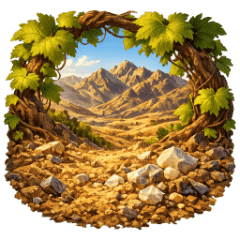
Bannockburn is basically the sun-bathing capital of Central Otago. It sits on the south bank of the Kawarau River and generates some of the most intense, highly sought-after Pinot Noir in the entire country.
Bannockburn is basically the sun-bathing capital of Central Otago. It sits on the south bank of the Kawarau River and generates some of the most intense, highly sought-after Pinot Noir in the entire country.
Gibbston
(
Central Otago
)
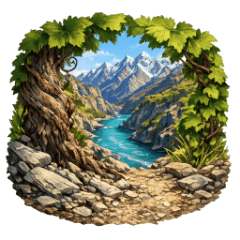
Located right at the dramatic gateway to Central Otago, this spot is the highest and coldest part of the entire region. It produces wines that are lighter, elegant, and famously difficult to grow without freezing.
Located right at the dramatic gateway to Central Otago, this spot is the highest and coldest part of the entire region. It produces wines that are lighter, elegant, and famously difficult to grow without freezing.
LOCAL WINE STYLES
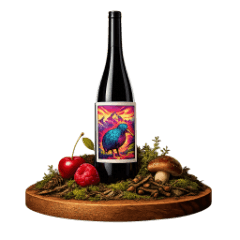
New Zealand Pinot Noir
While its white counterpart screams for attention, this red whispers elegance. Expect a sophisticated mix of bright red fruit and a savory, earthy undertone that proves New Zealand isn't just a one-trick pony.
While its white counterpart screams for attention, this red whispers elegance. Expect a sophisticated mix of bright red fruit and a savory, earthy undertone that proves New Zealand isn't just a one-trick pony.
While its white counterpart screams for attention, this red whispers elegance. Expect a sophisticated mix of bright red fruit and a savory, earthy undertone that proves New Zealand isn't just a one-trick pony.
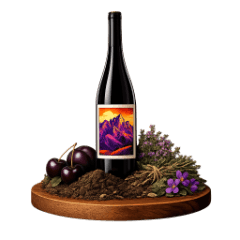
Central Otago Pinot Noir
Imagine standing on a glacier while eating a bowl of dark cherries. This region pushes viticulture to the limit, resulting in wines that are incredibly concentrated, darker, and more powerful than their northern neighbors.
Imagine standing on a glacier while eating a bowl of dark cherries. This region pushes viticulture to the limit, resulting in wines that are incredibly concentrated, darker, and more powerful than their northern neighbors.
Imagine standing on a glacier while eating a bowl of dark cherries. This region pushes viticulture to the limit, resulting in wines that are incredibly concentrated, darker, and more powerful than their northern neighbors.
LATEST REVIEWS