«
BROWSE ALL
Virginia
Virginia

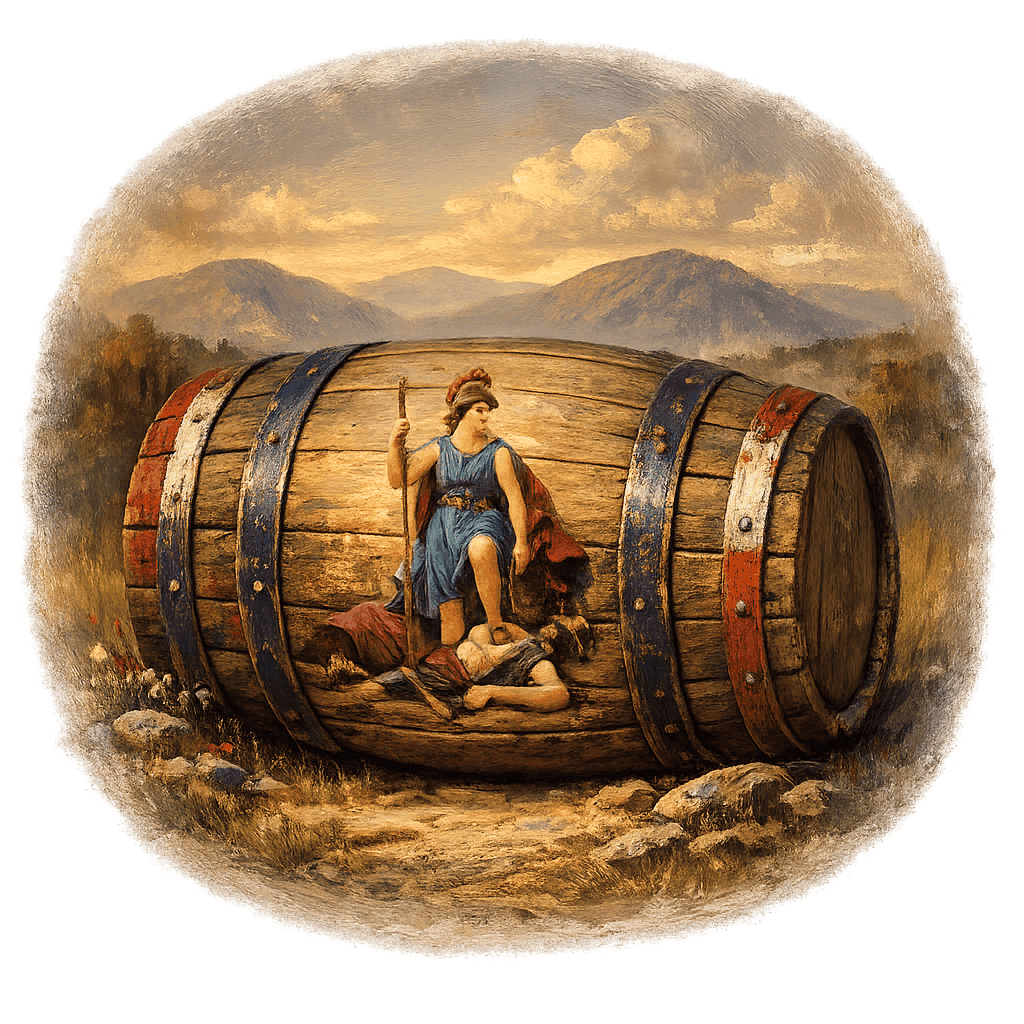
Think historic mansions, rolling green hills, and a wine scene that finally got its act together. It is the refined, intellectual cousin of American wine regions, mixing colonial vibes with serious viticulture that actually survives the humidity.
Think historic mansions, rolling green hills, and a wine scene that finally got its act together. It is the refined, intellectual cousin of American wine regions, mixing colonial vibes with serious viticulture that actually survives the humidity.
Think historic mansions, rolling green hills, and a wine scene that finally got its act together. It is the refined, intellectual cousin of American wine regions, mixing colonial vibes with serious viticulture that actually survives the humidity.
What it's about
East Coast
Top Ten
Refined style
Boasting over 300 wineries and a solid top-ten ranking in US production, the Old Dominion has shed its hobbyist skin. It serves as the sophisticated anchor of the East Coast, bridging the gap between New World fruit and Old World restraint. While exports are still niche, the domestic reputation has skyrocketed, drawing crowds from D.C. who are shocked to find serious, age-worthy bottles just an hour’s drive from the capital.
Boasting over 300 wineries and a solid top-ten ranking in US production, the Old Dominion has shed its hobbyist skin. It serves as the sophisticated anchor of the East Coast, bridging the gap between New World fruit and Old World restraint. While exports are still niche, the domestic reputation has skyrocketed, drawing crowds from D.C. who are shocked to find serious, age-worthy bottles just an hour’s drive from the capital.
Boasting over 300 wineries and a solid top-ten ranking in US production, the Old Dominion has shed its hobbyist skin. It serves as the sophisticated anchor of the East Coast, bridging the gap between New World fruit and Old World restraint. While exports are still niche, the domestic reputation has skyrocketed, drawing crowds from D.C. who are shocked to find serious, age-worthy bottles just an hour’s drive from the capital.
What they're proud of
Floral Viognier
Savory Franc
Native Norton
Viognier was the proclaimed signature grape for a decade, but the title was dropped to celebrate diversity (and because it’s notoriously finicky). It still delivers floral aromatics that many regions fail to capture. Locals also champion Cabernet Franc, which finds its happy place here, offering savory, pepper-laced complexity rather than just jammy fruit. Then there is Norton, the indigenous survivor that won world acclaim in 1873 and remains a point of deep, stubborn pride for its ability to withstand the intense humidity without flinching.
Viognier was the proclaimed signature grape for a decade, but the title was dropped to celebrate diversity (and because it’s notoriously finicky). It still delivers floral aromatics that many regions fail to capture. Locals also champion Cabernet Franc, which finds its happy place here, offering savory, pepper-laced complexity rather than just jammy fruit. Then there is Norton, the indigenous survivor that won world acclaim in 1873 and remains a point of deep, stubborn pride for its ability to withstand the intense humidity without flinching.
Viognier was the proclaimed signature grape for a decade, but the title was dropped to celebrate diversity (and because it’s notoriously finicky). It still delivers floral aromatics that many regions fail to capture. Locals also champion Cabernet Franc, which finds its happy place here, offering savory, pepper-laced complexity rather than just jammy fruit. Then there is Norton, the indigenous survivor that won world acclaim in 1873 and remains a point of deep, stubborn pride for its ability to withstand the intense humidity without flinching.
WHAT'S TRENDING
Petit Verdot
Meritage Blends
Sparkling Rise
Petit Verdot is rapidly shedding its role as a mere blending tool to become a single-varietal heavyweight, celebrated for its inky depth and tannic backbone. Winemakers are also obsessed with high-end Bordeaux-style blends, locally labeled as Meritage, which consistently snatch gold medals. There is also a rising wave of sparkling wine production, utilizing the high acidity from the cooler foothills to create crisp, traditional-method bubbles.
Petit Verdot is rapidly shedding its role as a mere blending tool to become a single-varietal heavyweight, celebrated for its inky depth and tannic backbone. Winemakers are also obsessed with high-end Bordeaux-style blends, locally labeled as Meritage, which consistently snatch gold medals. There is also a rising wave of sparkling wine production, utilizing the high acidity from the cooler foothills to create crisp, traditional-method bubbles.
Petit Verdot is rapidly shedding its role as a mere blending tool to become a single-varietal heavyweight, celebrated for its inky depth and tannic backbone. Winemakers are also obsessed with high-end Bordeaux-style blends, locally labeled as Meritage, which consistently snatch gold medals. There is also a rising wave of sparkling wine production, utilizing the high acidity from the cooler foothills to create crisp, traditional-method bubbles.
LOCAL TALES
The Founding Failure
The Founding Failure
The Founding Failure
Thomas Jefferson, the third U.S. President, was essentially America’s original wine geek. He imported countless European cuttings to Monticello, convinced Virginia could rival France. He was wrong. Every single plant died. He blamed the weather, but the real assassin was phylloxera, a root-eating louse he did not understand. He spent decades recording his failures, never producing a single bottle for sale. It took nearly two centuries for modern viticulture to fulfill his boozy prophecy, but today, you can drink award-winning vintages right next to his original, doomed garden plots. Talk about a very long game.
Thomas Jefferson, the third U.S. President, was essentially America’s original wine geek. He imported countless European cuttings to Monticello, convinced Virginia could rival France. He was wrong. Every single plant died. He blamed the weather, but the real assassin was phylloxera, a root-eating louse he did not understand. He spent decades recording his failures, never producing a single bottle for sale. It took nearly two centuries for modern viticulture to fulfill his boozy prophecy, but today, you can drink award-winning vintages right next to his original, doomed garden plots. Talk about a very long game.
The Italian Gamble
The Italian Gamble
The Italian Gamble
In 1976, everyone knew you could not grow European vines in Virginia. Everyone except Gianni Zonin, an Italian wine magnate who clearly missed that memo. He bought the Barboursville estate and planted Vitis vinifera, ignoring locals who called him crazy. He brought in Gabriele Rausse, a man who essentially hacked the humid climate. They did not just survive, they thrived. Their success proved that with the right rootstocks, you could make world-class dry wine here. Zonin did not just open a winery, he deleted the word "impossible" from the state's dictionary and kickstarted the entire modern industry.
In 1976, everyone knew you could not grow European vines in Virginia. Everyone except Gianni Zonin, an Italian wine magnate who clearly missed that memo. He bought the Barboursville estate and planted Vitis vinifera, ignoring locals who called him crazy. He brought in Gabriele Rausse, a man who essentially hacked the humid climate. They did not just survive, they thrived. Their success proved that with the right rootstocks, you could make world-class dry wine here. Zonin did not just open a winery, he deleted the word "impossible" from the state's dictionary and kickstarted the entire modern industry.
The Unkillable Norton
The Unkillable Norton
The Unkillable Norton
Long before Napa existed, Virginia had Norton. Discovered in Richmond by Dr. Daniel Norton in the early 1800s, this native vine is virtually bulletproof against disease. While European plantings were withering, Norton was busy winning "Best Red Wine of All Nations" at the 1873 Vienna World’s Fair, shocking French judges who probably fainted at the news. Prohibition nearly erased it, but this inky, purple-toothed survivor is back. It tastes like wild berries mixed with American grit, and locals love it because it is the one thing in the vineyard that does not need a constant babysitter.
Long before Napa existed, Virginia had Norton. Discovered in Richmond by Dr. Daniel Norton in the early 1800s, this native vine is virtually bulletproof against disease. While European plantings were withering, Norton was busy winning "Best Red Wine of All Nations" at the 1873 Vienna World’s Fair, shocking French judges who probably fainted at the news. Prohibition nearly erased it, but this inky, purple-toothed survivor is back. It tastes like wild berries mixed with American grit, and locals love it because it is the one thing in the vineyard that does not need a constant babysitter.
REGIONS

Monticello
America’s founding fathers obsessively pursued viticulture right here, but modern winemakers are finally perfecting it. Nestled against the Blue Ridge Mountains, this spot blends colonial history with serious winemaking ambition. It is basically history class with booze.
America’s founding fathers obsessively pursued viticulture right here, but modern winemakers are finally perfecting it. Nestled against the Blue Ridge Mountains, this spot blends colonial history with serious winemaking ambition. It is basically history class with booze.

Shenandoah Valley
While much of Virginia is battling humidity like it's an Olympic sport, this valley stays cool, calm, and collected. Nestled between mountain ranges, it offers a surprisingly dry climate that produces crisp, serious wines with minimal fuss.
While much of Virginia is battling humidity like it's an Olympic sport, this valley stays cool, calm, and collected. Nestled between mountain ranges, it offers a surprisingly dry climate that produces crisp, serious wines with minimal fuss.
WINE STYLES
Virginia Viognier
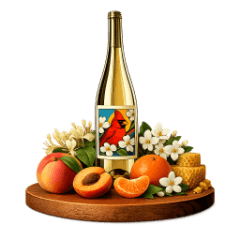
While born in the Rhône, this floral powerhouse truly found a second home in the humid American South. Expect a lush, perfumed glass that balances ripe tropical fruit with a surprisingly weighty and oily mouthfeel.
While born in the Rhône, this floral powerhouse truly found a second home in the humid American South. Expect a lush, perfumed glass that balances ripe tropical fruit with a surprisingly weighty and oily mouthfeel.
While born in the Rhône, this floral powerhouse truly found a second home in the humid American South. Expect a lush, perfumed glass that balances ripe tropical fruit with a surprisingly weighty and oily mouthfeel.
Virginia Cabernet Franc
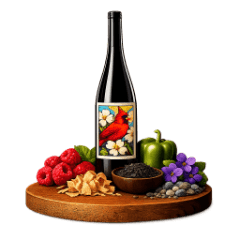
Think of a savory herb garden meeting a bowl of raspberries. This East Coast standout balances earthy bell pepper notes with elegant red fruit, proving that high humidity doesn't always ruin the party.
Think of a savory herb garden meeting a bowl of raspberries. This East Coast standout balances earthy bell pepper notes with elegant red fruit, proving that high humidity doesn't always ruin the party.
Think of a savory herb garden meeting a bowl of raspberries. This East Coast standout balances earthy bell pepper notes with elegant red fruit, proving that high humidity doesn't always ruin the party.
LATEST REVIEWS