«
BROWSE ALL
Luxembourg
Luxembourg

Nested between wine giants, this tiny Grand Duchy punches well above its weight with racy whites and world-class bubbles. It is a cool-climate paradise where river-hugging vineyards produce some of Europe’s best-kept secrets.
Nested between wine giants, this tiny Grand Duchy punches well above its weight with racy whites and world-class bubbles. It is a cool-climate paradise where river-hugging vineyards produce some of Europe’s best-kept secrets.
Nested between wine giants, this tiny Grand Duchy punches well above its weight with racy whites and world-class bubbles. It is a cool-climate paradise where river-hugging vineyards produce some of Europe’s best-kept secrets.
What it's about
River viticulture
Local consumption
Cooperative driven
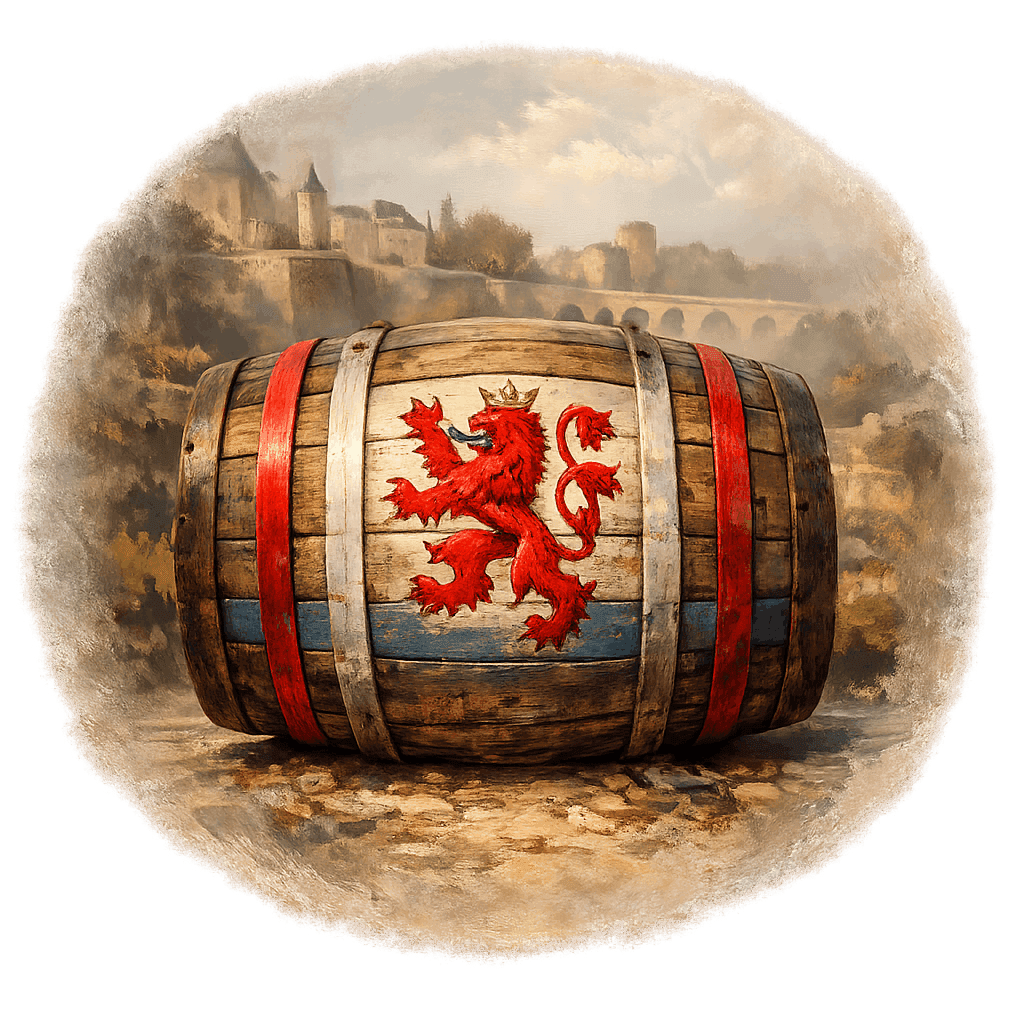
Sandwiched between Germany and France, this nation produces high-acid, aromatic white wines that locals mostly keep for themselves. Production is small-scale but intensely focused on quality, with vineyards stretching along a 42-kilometer strip of the Moselle River. While Rivaner and Pinot Gris dominate the volume, the region is functionally a white wine specialist, with cooperatives playing a massive role in unifying tiny plots into serious bottles.
Sandwiched between Germany and France, this nation produces high-acid, aromatic white wines that locals mostly keep for themselves. Production is small-scale but intensely focused on quality, with vineyards stretching along a 42-kilometer strip of the Moselle River. While Rivaner and Pinot Gris dominate the volume, the region is functionally a white wine specialist, with cooperatives playing a massive role in unifying tiny plots into serious bottles.
Sandwiched between Germany and France, this nation produces high-acid, aromatic white wines that locals mostly keep for themselves. Production is small-scale but intensely focused on quality, with vineyards stretching along a 42-kilometer strip of the Moselle River. While Rivaner and Pinot Gris dominate the volume, the region is functionally a white wine specialist, with cooperatives playing a massive role in unifying tiny plots into serious bottles.
What they're proud of
Prestigious bubbles
State quality
Strict standards
Holding a rare privilege outside of France, they are immensely proud of their Crémant de Luxembourg. This traditional-method sparkling wine is not just a cheap alternative to Champagne but a cultural icon here, celebrated for its strict production standards and affordability. They also boast the 'Marque Nationale,' a state-controlled quality seal that guarantees every bottle with the label has passed blind tasting tests to ensure typicity.
Holding a rare privilege outside of France, they are immensely proud of their Crémant de Luxembourg. This traditional-method sparkling wine is not just a cheap alternative to Champagne but a cultural icon here, celebrated for its strict production standards and affordability. They also boast the 'Marque Nationale,' a state-controlled quality seal that guarantees every bottle with the label has passed blind tasting tests to ensure typicity.
Holding a rare privilege outside of France, they are immensely proud of their Crémant de Luxembourg. This traditional-method sparkling wine is not just a cheap alternative to Champagne but a cultural icon here, celebrated for its strict production standards and affordability. They also boast the 'Marque Nationale,' a state-controlled quality seal that guarantees every bottle with the label has passed blind tasting tests to ensure typicity.
WHAT'S TRENDING
Glyphosate ban
Serious reds
Oaked whites
Sustainability is rewriting the rules here, as the country made headlines by attempting a total ban on glyphosate in vineyards. Winemakers are also getting adventurous with Pinot Noir, turning it into serious red wines rather than just rosé. Additionally, barrel-aged Auxerrois is having a moment, proving that this often-overlooked grape can produce gastronomic wines with Burgundy-like complexity when given the royal treatment.
Sustainability is rewriting the rules here, as the country made headlines by attempting a total ban on glyphosate in vineyards. Winemakers are also getting adventurous with Pinot Noir, turning it into serious red wines rather than just rosé. Additionally, barrel-aged Auxerrois is having a moment, proving that this often-overlooked grape can produce gastronomic wines with Burgundy-like complexity when given the royal treatment.
Sustainability is rewriting the rules here, as the country made headlines by attempting a total ban on glyphosate in vineyards. Winemakers are also getting adventurous with Pinot Noir, turning it into serious red wines rather than just rosé. Additionally, barrel-aged Auxerrois is having a moment, proving that this often-overlooked grape can produce gastronomic wines with Burgundy-like complexity when given the royal treatment.
LOCAL TALES
The Champagne Tax Hack
The Champagne Tax Hack
The Champagne Tax Hack
Back in the late 19th century, the French Champagne house Mercier came up with a brilliant scheme to dodge steep German taxes. They realized that Luxembourg was part of the German customs union (Zollverein), so they set up shop right inside the Grand Duchy. By bringing French grapes and know-how across the border, they could legally sell their bubbly to Germans duty-free. This savvy business move didn't just save them money, it accidentally kickstarted Luxembourg’s obsession with sparkling wine. Today, that legacy lives on in Crémant de Luxembourg, one of the few appellations outside France with a historic right to the prestigious 'Crémant' title.
Back in the late 19th century, the French Champagne house Mercier came up with a brilliant scheme to dodge steep German taxes. They realized that Luxembourg was part of the German customs union (Zollverein), so they set up shop right inside the Grand Duchy. By bringing French grapes and know-how across the border, they could legally sell their bubbly to Germans duty-free. This savvy business move didn't just save them money, it accidentally kickstarted Luxembourg’s obsession with sparkling wine. Today, that legacy lives on in Crémant de Luxembourg, one of the few appellations outside France with a historic right to the prestigious 'Crémant' title.
The Vine-Legged Goddess
The Vine-Legged Goddess
The Vine-Legged Goddess
Digging through the earth here often yields more than just rocks. In the town of Bech-Kleinmacher, locals discovered a Roman funeral monument dating back to the 3rd century that puzzled archaeologists. It depicts a mysterious female figure whose legs are literally grapevines, flanked by cherubs harvesting grapes. This 'Vine-Legged Woman' sarcophagus is undeniable proof that winemaking here isn't a modern fad but a 2,000-year-old tradition planted by the Romans. It serves as a stony reminder that while the country is young in political terms, its terroir has been quenching thirsts since the days of the Empire.
Digging through the earth here often yields more than just rocks. In the town of Bech-Kleinmacher, locals discovered a Roman funeral monument dating back to the 3rd century that puzzled archaeologists. It depicts a mysterious female figure whose legs are literally grapevines, flanked by cherubs harvesting grapes. This 'Vine-Legged Woman' sarcophagus is undeniable proof that winemaking here isn't a modern fad but a 2,000-year-old tradition planted by the Romans. It serves as a stony reminder that while the country is young in political terms, its terroir has been quenching thirsts since the days of the Empire.
Power in Numbers
Power in Numbers
Power in Numbers
For a long time, the local wine scene was a fragmented mess of tiny growers with barely enough land to fill a barrel. The game changed in 1921 with the founding of the first major cooperative. Instead of fighting each other for scraps, hundreds of small families banded together to form Domaines Vinsmoselle. This wasn't just a business merger, it was survival. Today, this giant manages nearly two-thirds of all production in the country. They successfully transformed a landscape of hobbyists into a professional powerhouse that essentially put the nation on the map, proving that in a small country, you have to stick together to survive.
For a long time, the local wine scene was a fragmented mess of tiny growers with barely enough land to fill a barrel. The game changed in 1921 with the founding of the first major cooperative. Instead of fighting each other for scraps, hundreds of small families banded together to form Domaines Vinsmoselle. This wasn't just a business merger, it was survival. Today, this giant manages nearly two-thirds of all production in the country. They successfully transformed a landscape of hobbyists into a professional powerhouse that essentially put the nation on the map, proving that in a small country, you have to stick together to survive.

WINE STYLES
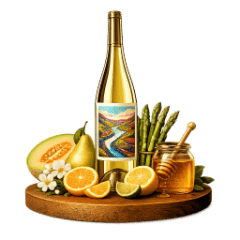
Moselle Auxerrois
Imagine a wine that just wants to cuddle. Auxerrois delivers exactly that vibe, offering a gentle acidity and a rounder body than its zippy neighbor Riesling. It is basically Pinot Blanc with a fun personality.
Imagine a wine that just wants to cuddle. Auxerrois delivers exactly that vibe, offering a gentle acidity and a rounder body than its zippy neighbor Riesling. It is basically Pinot Blanc with a fun personality.
Imagine a wine that just wants to cuddle. Auxerrois delivers exactly that vibe, offering a gentle acidity and a rounder body than its zippy neighbor Riesling. It is basically Pinot Blanc with a fun personality.
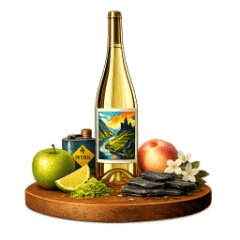
Moselle Riesling
Riesling from these steep slopes is like biting into a crisp apple while standing in a limestone quarry. It is sharp, precise, and unapologetically fresh, offering a pure expression of terroir that wakes up your palate instantly.
Riesling from these steep slopes is like biting into a crisp apple while standing in a limestone quarry. It is sharp, precise, and unapologetically fresh, offering a pure expression of terroir that wakes up your palate instantly.
Riesling from these steep slopes is like biting into a crisp apple while standing in a limestone quarry. It is sharp, precise, and unapologetically fresh, offering a pure expression of terroir that wakes up your palate instantly.
LATEST REVIEWS