«
BROWSE ALL
England
England

Believe it or not, this rainy isle is now a serious contender for the world’s best bubbles. With chalky soils identical to Champagne and a warming climate, the English are swapping tea for traditional method sparkling wine.
Believe it or not, this rainy isle is now a serious contender for the world’s best bubbles. With chalky soils identical to Champagne and a warming climate, the English are swapping tea for traditional method sparkling wine.
Believe it or not, this rainy isle is now a serious contender for the world’s best bubbles. With chalky soils identical to Champagne and a warming climate, the English are swapping tea for traditional method sparkling wine.

What it's about
Sparkling powerhouse
champagne rival
quality focus
Once the butt of vinous jokes, this nation has transformed into a sparkling powerhouse. With nearly 5,000 hectares planted, the focus is squarely on high-quality traditional method fizz. The cool climate preserves acidity, while global warming has made ripening Chardonnay and Pinot Noir reliably possible, creating an industry that’s growing faster than a beanstalk and exporting crisp elegance globally.
Once the butt of vinous jokes, this nation has transformed into a sparkling powerhouse. With nearly 5,000 hectares planted, the focus is squarely on high-quality traditional method fizz. The cool climate preserves acidity, while global warming has made ripening Chardonnay and Pinot Noir reliably possible, creating an industry that’s growing faster than a beanstalk and exporting crisp elegance globally.
Once the butt of vinous jokes, this nation has transformed into a sparkling powerhouse. With nearly 5,000 hectares planted, the focus is squarely on high-quality traditional method fizz. The cool climate preserves acidity, while global warming has made ripening Chardonnay and Pinot Noir reliably possible, creating an industry that’s growing faster than a beanstalk and exporting crisp elegance globally.
What they're proud of
Beating champagne
chalk soil
geological win
Beating the French at their own game is the national pastime here. Producers love recounting how their cuvées, grown on the famous chalk seams of Sussex and Hampshire, routinely trounce famous Champagne houses in blind tastings. It’s not just patriotism, it’s geological destiny, as they share the exact same prehistoric Paris Basin soil structure as their rivals across the channel.
Beating the French at their own game is the national pastime here. Producers love recounting how their cuvées, grown on the famous chalk seams of Sussex and Hampshire, routinely trounce famous Champagne houses in blind tastings. It’s not just patriotism, it’s geological destiny, as they share the exact same prehistoric Paris Basin soil structure as their rivals across the channel.
Beating the French at their own game is the national pastime here. Producers love recounting how their cuvées, grown on the famous chalk seams of Sussex and Hampshire, routinely trounce famous Champagne houses in blind tastings. It’s not just patriotism, it’s geological destiny, as they share the exact same prehistoric Paris Basin soil structure as their rivals across the channel.
WHAT'S TRENDING
Still wines
Essex and Kent
Bacchus
Still wines are finally having their moment in the sun - quite literally. While bubbles pay the bills, warmer summers are allowing Essex and Kent to craft serious Pinot Noir and Chardonnay without the fizz. Additionally, Bacchus is cementing its status as the aromatic white flagship, offering a zesty, elderflower-scented alternative to Sauvignon Blanc that pairs perfectly with the booming wine tourism sector.
Still wines are finally having their moment in the sun - quite literally. While bubbles pay the bills, warmer summers are allowing Essex and Kent to craft serious Pinot Noir and Chardonnay without the fizz. Additionally, Bacchus is cementing its status as the aromatic white flagship, offering a zesty, elderflower-scented alternative to Sauvignon Blanc that pairs perfectly with the booming wine tourism sector.
Still wines are finally having their moment in the sun - quite literally. While bubbles pay the bills, warmer summers are allowing Essex and Kent to craft serious Pinot Noir and Chardonnay without the fizz. Additionally, Bacchus is cementing its status as the aromatic white flagship, offering a zesty, elderflower-scented alternative to Sauvignon Blanc that pairs perfectly with the booming wine tourism sector.
LOCAL TALES
The Paris Shock
The Paris Shock
The Paris Shock
Imagine the scene: a room full of Parisian wine experts in 2016, noses deep in flutes, convinced they are sipping Grand Cru Champagne. When the labels were revealed, the room gasped. They had overwhelmingly preferred a Nyetimber Blanc de Blancs from West Sussex over a prestigious Billecart-Salmon. It wasn't the first time, either. English fizz has been sneaking into blind tastings for years, routinely embarrassing the establishment. It’s the ultimate underdog story, where the rainy underdog steals the trophy from the polished veteran, proving that terroir doesn't stop at the English Channel.
Imagine the scene: a room full of Parisian wine experts in 2016, noses deep in flutes, convinced they are sipping Grand Cru Champagne. When the labels were revealed, the room gasped. They had overwhelmingly preferred a Nyetimber Blanc de Blancs from West Sussex over a prestigious Billecart-Salmon. It wasn't the first time, either. English fizz has been sneaking into blind tastings for years, routinely embarrassing the establishment. It’s the ultimate underdog story, where the rainy underdog steals the trophy from the polished veteran, proving that terroir doesn't stop at the English Channel.
Romans to Domesday
Romans to Domesday
Romans to Domesday
While the modern boom is barely a few decades old, the roots go deep. The Romans, never ones to go without a drink, planted the first vines here 2,000 years ago, likely shivering in their togas while tending them. By 1086, the Domesday Book recorded over 40 vineyards, mostly run by monks who needed wine for mass (and presumably to tolerate the drafty monasteries). Then came the dissolution of monasteries and a cooling climate, which essentially killed the industry for centuries until a few crazy pioneers in the 1950s decided to give it another go.
While the modern boom is barely a few decades old, the roots go deep. The Romans, never ones to go without a drink, planted the first vines here 2,000 years ago, likely shivering in their togas while tending them. By 1086, the Domesday Book recorded over 40 vineyards, mostly run by monks who needed wine for mass (and presumably to tolerate the drafty monasteries). Then came the dissolution of monasteries and a cooling climate, which essentially killed the industry for centuries until a few crazy pioneers in the 1950s decided to give it another go.
The Chalk Connection
The Chalk Connection
The Chalk Connection
Why does English sparkling taste so much like its famous French cousin? It’s all in the dirt. A giant ring of chalk, formed by ancient marine fossils, dives under the English Channel from Champagne and pops right back up in the South Downs of England. This "Paris Basin" connection means the vines in Hampshire and Sussex are digging their toes into the exact same calcium-rich soil as the Grand Crus of Épernay. It’s a geological twinship that explains the razor-sharp acidity and elegance, making the Channel seem more like a minor interruption than a border.
Why does English sparkling taste so much like its famous French cousin? It’s all in the dirt. A giant ring of chalk, formed by ancient marine fossils, dives under the English Channel from Champagne and pops right back up in the South Downs of England. This "Paris Basin" connection means the vines in Hampshire and Sussex are digging their toes into the exact same calcium-rich soil as the Grand Crus of Épernay. It’s a geological twinship that explains the razor-sharp acidity and elegance, making the Channel seem more like a minor interruption than a border.
REGIONS

Kent
Forget apples and hops for a second because this corner of the UK has rebranded itself as the ultimate destination for sparkling wine enthusiasts who love proving the French wrong at blind tastings.
Forget apples and hops for a second because this corner of the UK has rebranded itself as the ultimate destination for sparkling wine enthusiasts who love proving the French wrong at blind tastings.

Sussex
This slice of the English countryside is giving France a serious run for its money. It is the beating heart of the UK's wine revolution, churning out fizz that makes connoisseurs double-take and Champagne producers sweat.
This slice of the English countryside is giving France a serious run for its money. It is the beating heart of the UK's wine revolution, churning out fizz that makes connoisseurs double-take and Champagne producers sweat.
WINE STYLES
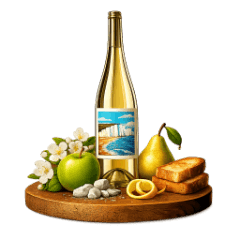
Sussex Sparkling Wine
Imagine Champagne decided to move to the English countryside for a quiet life but ended up partying just as hard. These bubbles offer crisp acidity and toasted brioche notes that rival top French bottles easily.
Imagine Champagne decided to move to the English countryside for a quiet life but ended up partying just as hard. These bubbles offer crisp acidity and toasted brioche notes that rival top French bottles easily.
Imagine Champagne decided to move to the English countryside for a quiet life but ended up partying just as hard. These bubbles offer crisp acidity and toasted brioche notes that rival top French bottles easily.
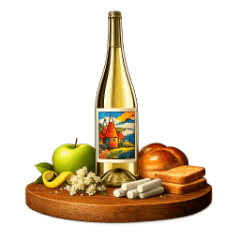
Kent Sparkling Wine
Tucked away in the southeast corner of the UK, this region churns out bubbles that rival Champagne. You get sharp acidity mixed with orchard fruits, making it the perfect beverage for celebrating literally anything.
Tucked away in the southeast corner of the UK, this region churns out bubbles that rival Champagne. You get sharp acidity mixed with orchard fruits, making it the perfect beverage for celebrating literally anything.
Tucked away in the southeast corner of the UK, this region churns out bubbles that rival Champagne. You get sharp acidity mixed with orchard fruits, making it the perfect beverage for celebrating literally anything.
LATEST REVIEWS