«
BROWSE ALL
Croatia
Croatia
Imagine a crescent-shaped land where the Mediterranean meets Central Europe, offering over a thousand islands and a winemaking history that predates the Romans. It is a sleeping giant finally waking up to show the world its liquid treasures.
Imagine a crescent-shaped land where the Mediterranean meets Central Europe, offering over a thousand islands and a winemaking history that predates the Romans. It is a sleeping giant finally waking up to show the world its liquid treasures.
Imagine a crescent-shaped land where the Mediterranean meets Central Europe, offering over a thousand islands and a winemaking history that predates the Romans. It is a sleeping giant finally waking up to show the world its liquid treasures.
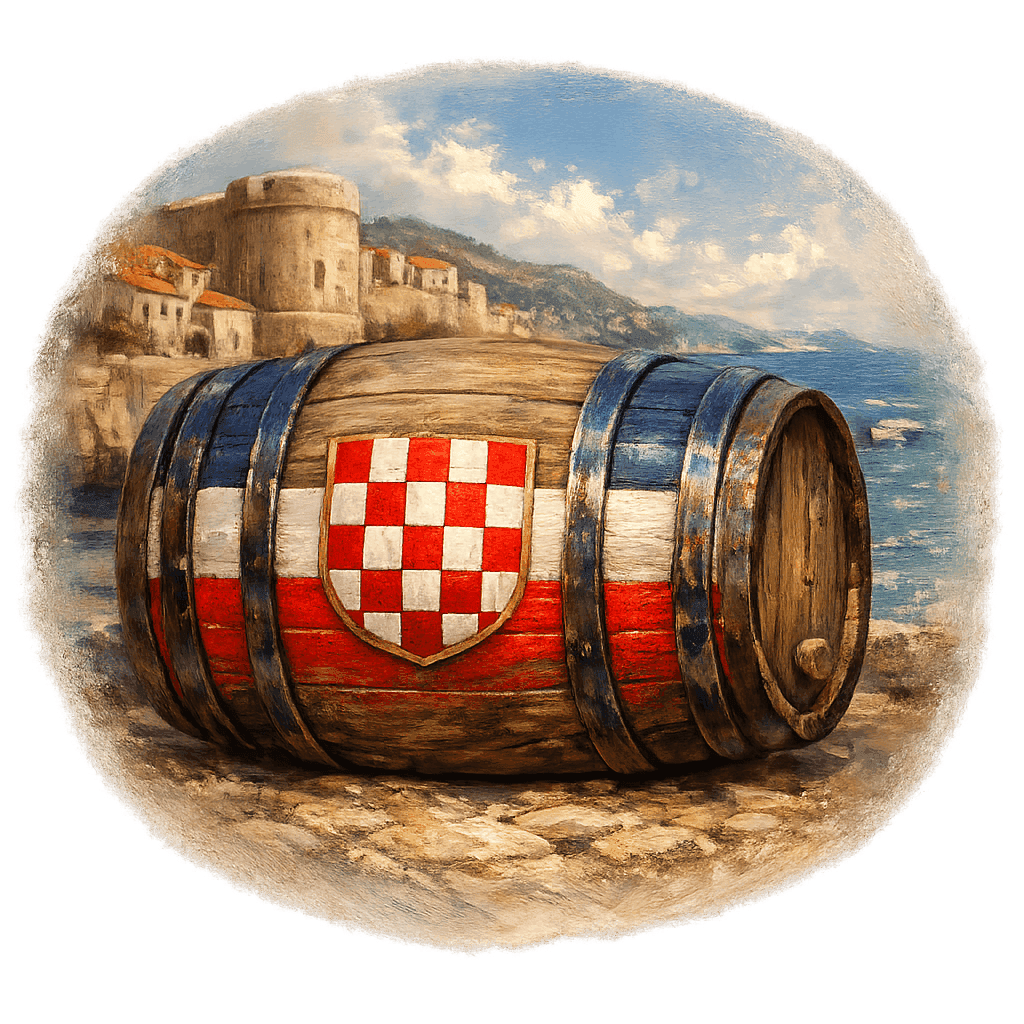
What it's about
Ancient Tradition
Two Climates
Rising Export
Situated at the crossroads of the Mediterranean and Central Europe, this nation boasts a 2,500-year-old viticultural tradition started by the Ancient Greeks. While the domestic market still consumes the majority of the production, the world is slowly catching on. The country is divided into two distinct winemaking faces: the continental interior, famous for crisp whites like Graševina, and the sun-drenched coast, home to powerful reds and the ancestors of Zinfandel.
Situated at the crossroads of the Mediterranean and Central Europe, this nation boasts a 2,500-year-old viticultural tradition started by the Ancient Greeks. While the domestic market still consumes the majority of the production, the world is slowly catching on. The country is divided into two distinct winemaking faces: the continental interior, famous for crisp whites like Graševina, and the sun-drenched coast, home to powerful reds and the ancestors of Zinfandel.
Situated at the crossroads of the Mediterranean and Central Europe, this nation boasts a 2,500-year-old viticultural tradition started by the Ancient Greeks. While the domestic market still consumes the majority of the production, the world is slowly catching on. The country is divided into two distinct winemaking faces: the continental interior, famous for crisp whites like Graševina, and the sun-drenched coast, home to powerful reds and the ancestors of Zinfandel.
What they're proud of
Zinfandel Origins
Indigenous Grapes
Dingač Region
Discovering that their native Tribidrag is actually the same grape as America's beloved Zinfandel remains a massive point of national pride. Beyond that connection, they champion a treasure trove of indigenous grapes like the tannic Plavac Mali and the aromatic Malvazija Istarska. They also boast the first protected wine region in the former Yugoslavia, Dingač, which is renowned for its steep, sun-baked slopes dropping straight into the sea.
Discovering that their native Tribidrag is actually the same grape as America's beloved Zinfandel remains a massive point of national pride. Beyond that connection, they champion a treasure trove of indigenous grapes like the tannic Plavac Mali and the aromatic Malvazija Istarska. They also boast the first protected wine region in the former Yugoslavia, Dingač, which is renowned for its steep, sun-baked slopes dropping straight into the sea.
Discovering that their native Tribidrag is actually the same grape as America's beloved Zinfandel remains a massive point of national pride. Beyond that connection, they champion a treasure trove of indigenous grapes like the tannic Plavac Mali and the aromatic Malvazija Istarska. They also boast the first protected wine region in the former Yugoslavia, Dingač, which is renowned for its steep, sun-baked slopes dropping straight into the sea.
WHAT'S TRENDING
Organic Boom
Sparkling Rise
Vintage 2025
Organic and biodynamic practices are surging, especially in regions like Plešivica, which is also gaining fame for serious sparkling wines. Winemakers are celebrating the 2025 harvest as a potential "vintage to remember" after years of weather extremes. Exports are finally picking up steam, particularly to the US and Germany, as the world discovers that this holiday hotspot offers world-class wines that pair perfectly with its stunning seafood.
Organic and biodynamic practices are surging, especially in regions like Plešivica, which is also gaining fame for serious sparkling wines. Winemakers are celebrating the 2025 harvest as a potential "vintage to remember" after years of weather extremes. Exports are finally picking up steam, particularly to the US and Germany, as the world discovers that this holiday hotspot offers world-class wines that pair perfectly with its stunning seafood.
Organic and biodynamic practices are surging, especially in regions like Plešivica, which is also gaining fame for serious sparkling wines. Winemakers are celebrating the 2025 harvest as a potential "vintage to remember" after years of weather extremes. Exports are finally picking up steam, particularly to the US and Germany, as the world discovers that this holiday hotspot offers world-class wines that pair perfectly with its stunning seafood.
LOCAL TALES
The American Uncle Returns
The American Uncle Returns
The American Uncle Returns
For decades, the origins of Zinfandel were a mystery that baffled the wine world. Enter Miljenko "Mike" Grgich, a Croatian-born winemaker who found fame in Napa Valley. He always insisted that the Zinfandel vines in California looked suspiciously like the grapes from his childhood home on the Dalmatian coast. In 2001, after years of research and DNA testing he championed, the truth finally came out: Zinfandel is actually Crljenak Kaštelanski (or Tribidrag), an ancient Croatian variety. It turns out the "all-American" grape was actually a Croatian immigrant all along, just like Mike!
For decades, the origins of Zinfandel were a mystery that baffled the wine world. Enter Miljenko "Mike" Grgich, a Croatian-born winemaker who found fame in Napa Valley. He always insisted that the Zinfandel vines in California looked suspiciously like the grapes from his childhood home on the Dalmatian coast. In 2001, after years of research and DNA testing he championed, the truth finally came out: Zinfandel is actually Crljenak Kaštelanski (or Tribidrag), an ancient Croatian variety. It turns out the "all-American" grape was actually a Croatian immigrant all along, just like Mike!
The Tunnel of Donkeys
The Tunnel of Donkeys
The Tunnel of Donkeys
Imagine harvesting grapes on slopes so steep that if you slip, you might roll right into the Adriatic Sea. That is the reality of the Dingač region. For centuries, winemakers had to rely on donkeys to carry the precious Plavac Mali grapes over a 400-meter-high mountain pass to reach the winery. It was a grueling, treacherous journey. In 1973, the locals had enough. They self-financed and dug a 400-meter tunnel straight through the mountain. Today, you can drive through this narrow, rough-hewn passage, which stands as a monument to their determination to save their backs - and their donkeys.
Imagine harvesting grapes on slopes so steep that if you slip, you might roll right into the Adriatic Sea. That is the reality of the Dingač region. For centuries, winemakers had to rely on donkeys to carry the precious Plavac Mali grapes over a 400-meter-high mountain pass to reach the winery. It was a grueling, treacherous journey. In 1973, the locals had enough. They self-financed and dug a 400-meter tunnel straight through the mountain. Today, you can drive through this narrow, rough-hewn passage, which stands as a monument to their determination to save their backs - and their donkeys.
Bourdain's Holy Epiphany
Bourdain's Holy Epiphany
Bourdain's Holy Epiphany
When the late Anthony Bourdain visited the coastal town of Skradin, he wasn't expecting much from the local fermented grape juice. He sat down at the Bibich winery, prepared for a standard tasting. As winemaker Alen Bibich poured glass after glass paired with his wife's molecular cuisine, Bourdain was completely floored. In a now-legendary scene, he looked into the camera, visibly flustered and delighted, and asked, "Why, oh why, is there so much amazing wine in this country?" He proceeded to get absolutely hammered, famously declaring, "I am so stupid" for not visiting sooner. It was the endorsement that finally put Skradin on the global foodie map.
When the late Anthony Bourdain visited the coastal town of Skradin, he wasn't expecting much from the local fermented grape juice. He sat down at the Bibich winery, prepared for a standard tasting. As winemaker Alen Bibich poured glass after glass paired with his wife's molecular cuisine, Bourdain was completely floored. In a now-legendary scene, he looked into the camera, visibly flustered and delighted, and asked, "Why, oh why, is there so much amazing wine in this country?" He proceeded to get absolutely hammered, famously declaring, "I am so stupid" for not visiting sooner. It was the endorsement that finally put Skradin on the global foodie map.
REGIONS
Dalmatia
If you think paradise involves pristine beaches and ancient ruins holding a glass of Plavac Mali, you are in the right spot. This stunning coastline combines epic scenery with wines that taste like sunshine trapped in a bottle.
If you think paradise involves pristine beaches and ancient ruins holding a glass of Plavac Mali, you are in the right spot. This stunning coastline combines epic scenery with wines that taste like sunshine trapped in a bottle.
Istria and Kvarner
Picture a heart-shaped landmass where Italian flair meets Slavic soul in the most delicious way possible. This corner of the Adriatic is basically a foodie's fever dream featuring rolling hills, serious white wines, and medieval hilltop villages.
Picture a heart-shaped landmass where Italian flair meets Slavic soul in the most delicious way possible. This corner of the Adriatic is basically a foodie's fever dream featuring rolling hills, serious white wines, and medieval hilltop villages.
WINE STYLES
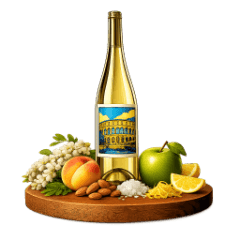
Istrian Malvazija
Imagine biting into a salty peach while floating in the clear Adriatic Sea. This Croatian classic delivers serious refreshment with a savory twist that distinguishes it from boring Sauvignon Blancs. It is sunshine bottled for your immediate pleasure.
Imagine biting into a salty peach while floating in the clear Adriatic Sea. This Croatian classic delivers serious refreshment with a savory twist that distinguishes it from boring Sauvignon Blancs. It is sunshine bottled for your immediate pleasure.
Imagine biting into a salty peach while floating in the clear Adriatic Sea. This Croatian classic delivers serious refreshment with a savory twist that distinguishes it from boring Sauvignon Blancs. It is sunshine bottled for your immediate pleasure.
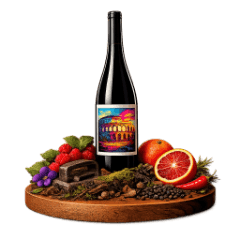
Istrian Teran
Get ready for a high-acid joyride. This Croatian red is famous for its vibrant ruby color and a distinct metallic tang that screams of the iron-rich red soil it grows in.
Get ready for a high-acid joyride. This Croatian red is famous for its vibrant ruby color and a distinct metallic tang that screams of the iron-rich red soil it grows in.
Get ready for a high-acid joyride. This Croatian red is famous for its vibrant ruby color and a distinct metallic tang that screams of the iron-rich red soil it grows in.
LATEST REVIEWS