«
BROWSE ALL
Colorado
Colorado

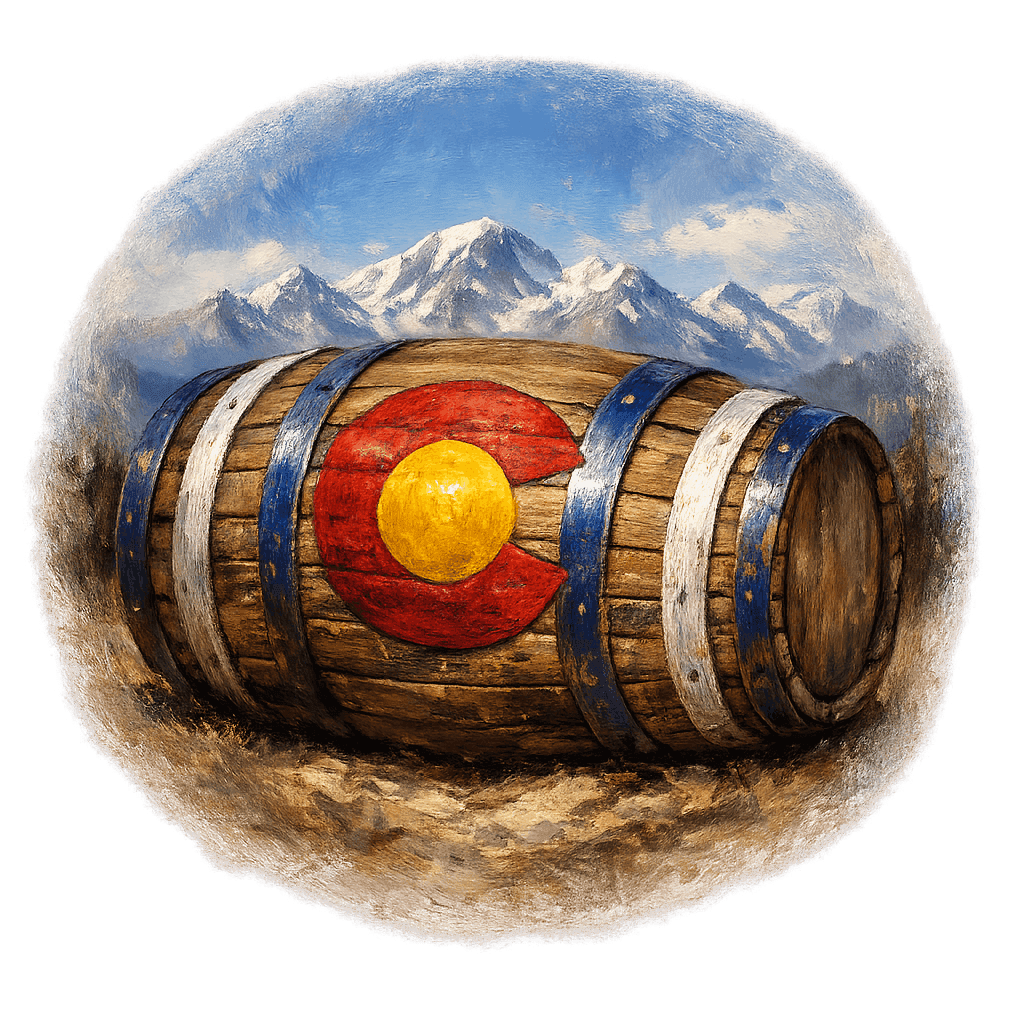
Forget the Coors beer - this state is crafting serious juice at dizzying heights. It is a place where vines struggle against snow and sun to produce wines with intense aromatics and acidity that will shock your palate.
Forget the Coors beer - this state is crafting serious juice at dizzying heights. It is a place where vines struggle against snow and sun to produce wines with intense aromatics and acidity that will shock your palate.
Forget the Coors beer - this state is crafting serious juice at dizzying heights. It is a place where vines struggle against snow and sun to produce wines with intense aromatics and acidity that will shock your palate.
What it's about
Extreme Elevation
Boutique Scale
Beer Alternative
While often overshadowed by its beer reputation, this region is a serious player in the high-altitude wine game. With nearly 170 wineries and two recognized AVAs, production is small - around 200,000 cases annually - but quality is skyrocketing. The industry is defined by extreme elevation farming, with vineyards sitting between 4,000 and 7,000 feet, creating a distinct style that balances ripe fruit flavors with electrifying acidity due to cold nights.
While often overshadowed by its beer reputation, this region is a serious player in the high-altitude wine game. With nearly 170 wineries and two recognized AVAs, production is small - around 200,000 cases annually - but quality is skyrocketing. The industry is defined by extreme elevation farming, with vineyards sitting between 4,000 and 7,000 feet, creating a distinct style that balances ripe fruit flavors with electrifying acidity due to cold nights.
While often overshadowed by its beer reputation, this region is a serious player in the high-altitude wine game. With nearly 170 wineries and two recognized AVAs, production is small - around 200,000 cases annually - but quality is skyrocketing. The industry is defined by extreme elevation farming, with vineyards sitting between 4,000 and 7,000 feet, creating a distinct style that balances ripe fruit flavors with electrifying acidity due to cold nights.
What they're proud of
Grand Valley
Cabernet Franc
Legendary Roots
Locals brag about their ability to grow Vitis vinifera where others wouldn't dare. They are particularly boastful of the Grand Valley AVA, which produces intense Cabernet Franc and Riesling. The connection to Warren Winiarski, who helped kickstart the modern industry before winning the Judgment of Paris, is a favorite namedrop - even if he had to truck in California fruit to make his first batches. Furthermore, the Governor's Cup competition consistently highlights their rapid improvement in quality.
Locals brag about their ability to grow Vitis vinifera where others wouldn't dare. They are particularly boastful of the Grand Valley AVA, which produces intense Cabernet Franc and Riesling. The connection to Warren Winiarski, who helped kickstart the modern industry before winning the Judgment of Paris, is a favorite namedrop - even if he had to truck in California fruit to make his first batches. Furthermore, the Governor's Cup competition consistently highlights their rapid improvement in quality.
Locals brag about their ability to grow Vitis vinifera where others wouldn't dare. They are particularly boastful of the Grand Valley AVA, which produces intense Cabernet Franc and Riesling. The connection to Warren Winiarski, who helped kickstart the modern industry before winning the Judgment of Paris, is a favorite namedrop - even if he had to truck in California fruit to make his first batches. Furthermore, the Governor's Cup competition consistently highlights their rapid improvement in quality.
WHAT'S TRENDING
Canned Wine
Tasty Zweigelt
Natural Methods
Innovation is key here, with premium canned wines like those from Colterris gaining traction for outdoor adventurers. Winemakers are also embracing cold-hardy varieties like Zweigelt, which recently won top honors in state competitions. Natural winemaking is rising too, with producers like Jack Rabbit Hill Farm experimenting with sulfur alternatives and amphora aging, while cider and mead producers are successfully carving out a massive slice of the fermentation market.
Innovation is key here, with premium canned wines like those from Colterris gaining traction for outdoor adventurers. Winemakers are also embracing cold-hardy varieties like Zweigelt, which recently won top honors in state competitions. Natural winemaking is rising too, with producers like Jack Rabbit Hill Farm experimenting with sulfur alternatives and amphora aging, while cider and mead producers are successfully carving out a massive slice of the fermentation market.
Innovation is key here, with premium canned wines like those from Colterris gaining traction for outdoor adventurers. Winemakers are also embracing cold-hardy varieties like Zweigelt, which recently won top honors in state competitions. Natural winemaking is rising too, with producers like Jack Rabbit Hill Farm experimenting with sulfur alternatives and amphora aging, while cider and mead producers are successfully carving out a massive slice of the fermentation market.
LOCAL TALES
The Peach Usurpers
The Peach Usurpers
The Peach Usurpers
Before the dark days of Prohibition, this state had a flourishing wine scene initiated by Grand Junction founder George Crawford in 1890. However, when the state went dry in 1916 - four years before the rest of the nation - farmers didn't just abandon their vineyards, they ripped them out with a vengeance. In a twist of agricultural fate, those prime vineyard sites were replanted with peaches. For decades, the region became famous for its fuzzy fruit rather than its fermentable fruit. Today, vines are reclaiming those hillsides, but the ghost of the peach industry still lingers, with many wineries sharing fence lines with the orchards that once replaced them.
Before the dark days of Prohibition, this state had a flourishing wine scene initiated by Grand Junction founder George Crawford in 1890. However, when the state went dry in 1916 - four years before the rest of the nation - farmers didn't just abandon their vineyards, they ripped them out with a vengeance. In a twist of agricultural fate, those prime vineyard sites were replanted with peaches. For decades, the region became famous for its fuzzy fruit rather than its fermentable fruit. Today, vines are reclaiming those hillsides, but the ghost of the peach industry still lingers, with many wineries sharing fence lines with the orchards that once replaced them.
The Paris Connection
The Paris Connection
The Paris Connection
You might think the wine history here is totally disconnected from the global stage, but you would be wrong. In 1968, a periodontist named Dr. Gerald Ivancie decided to revive the local wine scene in Denver. He needed a winemaker, so he hired a young man named Warren Winiarski. They worked together to prove that premium wine could be crafted here, initially importing California grapes while advocating for local planting. Winiarski eventually left to start his own project in Napa Valley called Stag's Leap Wine Cellars, where he crafted the Cabernet Sauvignon that won the 1976 Judgment of Paris, stunning France and the world. Locals love to claim that his path to greatness started in their high-altitude cellar.
You might think the wine history here is totally disconnected from the global stage, but you would be wrong. In 1968, a periodontist named Dr. Gerald Ivancie decided to revive the local wine scene in Denver. He needed a winemaker, so he hired a young man named Warren Winiarski. They worked together to prove that premium wine could be crafted here, initially importing California grapes while advocating for local planting. Winiarski eventually left to start his own project in Napa Valley called Stag's Leap Wine Cellars, where he crafted the Cabernet Sauvignon that won the 1976 Judgment of Paris, stunning France and the world. Locals love to claim that his path to greatness started in their high-altitude cellar.
Buried Alive
Buried Alive
Buried Alive
Farming at 6,000 feet brings risks that would make a Napa grower faint. The winters here can be so brutal that they threaten to kill the vines outright. To combat this deep freeze, some extreme vintners practice a labor-intensive method known as 'hilling up' or burying the canes. Each autumn, they detach the vines from their trellises and literally bury them under mounds of earth to insulate them from sub-zero temperatures. In the spring, they must carefully unearth them without snapping the buds. It is a back-breaking labor of love that proves just how desperate these winemakers are to coax liquid magic from this unforgiving frozen desert.
Farming at 6,000 feet brings risks that would make a Napa grower faint. The winters here can be so brutal that they threaten to kill the vines outright. To combat this deep freeze, some extreme vintners practice a labor-intensive method known as 'hilling up' or burying the canes. Each autumn, they detach the vines from their trellises and literally bury them under mounds of earth to insulate them from sub-zero temperatures. In the spring, they must carefully unearth them without snapping the buds. It is a back-breaking labor of love that proves just how desperate these winemakers are to coax liquid magic from this unforgiving frozen desert.
SUB-REGIONS
Palisade
(
Grand Valley
)
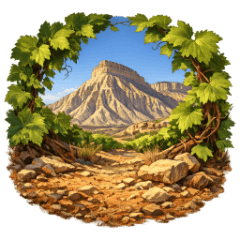
Sitting snugly under the dramatic Book Cliffs, this town serves as the undisputed headquarters of Colorado winemaking. It is not just about legendary peaches anymore - though they are delicious - but about serious, high-elevation bottles demanding respect.
Sitting snugly under the dramatic Book Cliffs, this town serves as the undisputed headquarters of Colorado winemaking. It is not just about legendary peaches anymore - though they are delicious - but about serious, high-elevation bottles demanding respect.
De Beque
(
Grand Valley
)
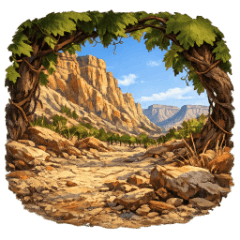
Located at the dramatic eastern gateway to the AVA, this spot is more about imposing sandstone cliffs and roaming mustangs than manicured lawns. It serves as the rugged, untamed introduction to Colorado wine country.
Located at the dramatic eastern gateway to the AVA, this spot is more about imposing sandstone cliffs and roaming mustangs than manicured lawns. It serves as the rugged, untamed introduction to Colorado wine country.
WINE STYLES
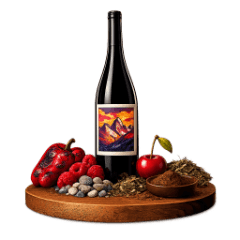
Colorado Cabernet Franc
Forget skiing, this is the real reason to visit the Centennial State. Thriving in high-altitude deserts where other reds fear to tread, this pour delivers intense savory spice and bold fruit that screams altitude.
Forget skiing, this is the real reason to visit the Centennial State. Thriving in high-altitude deserts where other reds fear to tread, this pour delivers intense savory spice and bold fruit that screams altitude.
Forget skiing, this is the real reason to visit the Centennial State. Thriving in high-altitude deserts where other reds fear to tread, this pour delivers intense savory spice and bold fruit that screams altitude.
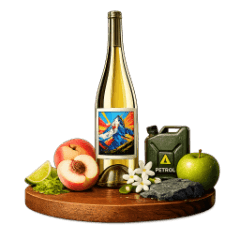
Colorado Riesling
Imagine biting into a lime while standing on a snowy peak. This white wine brings electrifying acidity and intense fruitiness that only extreme elevations can produce. It is basically an adrenaline shot for your palate.
Imagine biting into a lime while standing on a snowy peak. This white wine brings electrifying acidity and intense fruitiness that only extreme elevations can produce. It is basically an adrenaline shot for your palate.
Imagine biting into a lime while standing on a snowy peak. This white wine brings electrifying acidity and intense fruitiness that only extreme elevations can produce. It is basically an adrenaline shot for your palate.
LATEST REVIEWS