«
BROWSE ALL
Bulgaria
Bulgaria

Once a Soviet-era bulk powerhouse, this Balkan nation has pulled a massive U-turn toward boutique quality. It is a land where ancient Thracian roots meet modern winemaking to produce incredible value reds.
Once a Soviet-era bulk powerhouse, this Balkan nation has pulled a massive U-turn toward boutique quality. It is a land where ancient Thracian roots meet modern winemaking to produce incredible value reds.
Once a Soviet-era bulk powerhouse, this Balkan nation has pulled a massive U-turn toward boutique quality. It is a land where ancient Thracian roots meet modern winemaking to produce incredible value reds.

What it's about
Thracian Heritage
Boutique Shift
Value Reds
Imagine a country that was the world's second-largest wine exporter in the 1980s, mostly shipping budget bottles to the USSR. That era is over. Today, it is all about rediscovering an ancient heritage that predates the Romans. Production is split between the northern Danubian Plain and the southern Thracian Valley, focusing on smaller batches of high-quality indigenous reds that offer serious complexity without the painful price tag.
Imagine a country that was the world's second-largest wine exporter in the 1980s, mostly shipping budget bottles to the USSR. That era is over. Today, it is all about rediscovering an ancient heritage that predates the Romans. Production is split between the northern Danubian Plain and the southern Thracian Valley, focusing on smaller batches of high-quality indigenous reds that offer serious complexity without the painful price tag.
Imagine a country that was the world's second-largest wine exporter in the 1980s, mostly shipping budget bottles to the USSR. That era is over. Today, it is all about rediscovering an ancient heritage that predates the Romans. Production is split between the northern Danubian Plain and the southern Thracian Valley, focusing on smaller batches of high-quality indigenous reds that offer serious complexity without the painful price tag.
What they're proud of
Ancient Roots
Native Grapes
Resilient Vines
Locals will fiercely defend their indigenous grapes, particularly Mavrud and the broad-leaved Melnik. They also boast a winemaking history stretching back 7,000 years to the Thracians, who worshipped Dionysus long before it was cool. The survival of these unique vines, despite phylloxera and state-controlled mass production, is a badge of honor they wear with serious intensity.
Locals will fiercely defend their indigenous grapes, particularly Mavrud and the broad-leaved Melnik. They also boast a winemaking history stretching back 7,000 years to the Thracians, who worshipped Dionysus long before it was cool. The survival of these unique vines, despite phylloxera and state-controlled mass production, is a badge of honor they wear with serious intensity.
Locals will fiercely defend their indigenous grapes, particularly Mavrud and the broad-leaved Melnik. They also boast a winemaking history stretching back 7,000 years to the Thracians, who worshipped Dionysus long before it was cool. The survival of these unique vines, despite phylloxera and state-controlled mass production, is a badge of honor they wear with serious intensity.
WHAT'S TRENDING
Family Wineries
Modern Hybrids
Wine Tourism
Small family-run wineries are popping up everywhere, experimenting with organic farming and modern technology. There is a huge buzz around 'Melnik 55,' a cross that ripens earlier than its stubborn parent, and Rubin, a Nebbiolo-Syrah cross gaining cult status. Wine tourism is also exploding, with spa hotels appearing in the vineyards to lure travelers away from the Black Sea beaches.
Small family-run wineries are popping up everywhere, experimenting with organic farming and modern technology. There is a huge buzz around 'Melnik 55,' a cross that ripens earlier than its stubborn parent, and Rubin, a Nebbiolo-Syrah cross gaining cult status. Wine tourism is also exploding, with spa hotels appearing in the vineyards to lure travelers away from the Black Sea beaches.
Small family-run wineries are popping up everywhere, experimenting with organic farming and modern technology. There is a huge buzz around 'Melnik 55,' a cross that ripens earlier than its stubborn parent, and Rubin, a Nebbiolo-Syrah cross gaining cult status. Wine tourism is also exploding, with spa hotels appearing in the vineyards to lure travelers away from the Black Sea beaches.
LOCAL TALES
The Skull Chalice
The Skull Chalice
The Skull Chalice
In the 9th century, Khan Krum was a ruler who really didn't appreciate bad neighbors. After the Byzantine Emperor Nikephoros I invaded and plundered the Bulgarian capital, Krum retaliated with a crushing ambush in a mountain pass. He killed the Emperor, but that wasn't enough for a statement piece. Krum ordered the Emperor's skull to be lined with silver and fashioned into a drinking cup. He would toast his boyars with this grim vessel at banquets. Ironically, despite this savage stemware, Krum was actually a strict prohibitionist who later ordered the uprooting of vines to curb drunkenness among his people. Talk about mixed messages.
In the 9th century, Khan Krum was a ruler who really didn't appreciate bad neighbors. After the Byzantine Emperor Nikephoros I invaded and plundered the Bulgarian capital, Krum retaliated with a crushing ambush in a mountain pass. He killed the Emperor, but that wasn't enough for a statement piece. Krum ordered the Emperor's skull to be lined with silver and fashioned into a drinking cup. He would toast his boyars with this grim vessel at banquets. Ironically, despite this savage stemware, Krum was actually a strict prohibitionist who later ordered the uprooting of vines to curb drunkenness among his people. Talk about mixed messages.
Churchill's Weekly Order
Churchill's Weekly Order
Churchill's Weekly Order
If you visit the sandy pyramids of the Melnik region, you will inevitably hear the favorite local legend about Winston Churchill. The story goes that the British Prime Minister was absolutely obsessed with the 'Broad-Leaved Melnik' variety, a notoriously difficult grape that grows in the area's volcanic sands. Locals claim he ordered exactly 500 liters of this heavy, tobacco-scented red wine every single year to be shipped to London. Whether the invoice actually existed or if it's just a brilliant piece of marketing folklore, it has cemented the region's reputation. Today, drinking a glass of Melnik is still the closest you can get to feeling like a geopolitical strategist.
If you visit the sandy pyramids of the Melnik region, you will inevitably hear the favorite local legend about Winston Churchill. The story goes that the British Prime Minister was absolutely obsessed with the 'Broad-Leaved Melnik' variety, a notoriously difficult grape that grows in the area's volcanic sands. Locals claim he ordered exactly 500 liters of this heavy, tobacco-scented red wine every single year to be shipped to London. Whether the invoice actually existed or if it's just a brilliant piece of marketing folklore, it has cemented the region's reputation. Today, drinking a glass of Melnik is still the closest you can get to feeling like a geopolitical strategist.
The Gold Rush
The Gold Rush
The Gold Rush
For decades, Bulgaria was seen as a producer of cheap plonk, but in 1949, three brothers digging for clay near Panagyurishte stumbled upon something that changed the narrative. They found a ceremonial solid gold set weighing over six kilograms, dating back to the 4th century BC. It wasn't jewelry, it was a magnificent 23-karat wine service used by Thracian kings. The intricate rhytons shaped like animal heads proved that while the rest of Europe was figuring out agriculture, the people here were already throwing lavish wine parties with gold cups. It was undeniable proof that wine culture in these lands isn't a modern fad - it's practically in the soil.
For decades, Bulgaria was seen as a producer of cheap plonk, but in 1949, three brothers digging for clay near Panagyurishte stumbled upon something that changed the narrative. They found a ceremonial solid gold set weighing over six kilograms, dating back to the 4th century BC. It wasn't jewelry, it was a magnificent 23-karat wine service used by Thracian kings. The intricate rhytons shaped like animal heads proved that while the rest of Europe was figuring out agriculture, the people here were already throwing lavish wine parties with gold cups. It was undeniable proof that wine culture in these lands isn't a modern fad - it's practically in the soil.
REGIONS

Danubian Plain
Imagine a sprawling landscape stretching endlessly south of the Danube toward the Balkan Mountains. It is not just about wheat, this place pumps out serious volume with a shift toward quality, offering a rugged charm that feels authentic and unpretentious.
Imagine a sprawling landscape stretching endlessly south of the Danube toward the Balkan Mountains. It is not just about wheat, this place pumps out serious volume with a shift toward quality, offering a rugged charm that feels authentic and unpretentious.

Black Sea Region
Think of this as Bulgaria's Riviera where the wines are as refreshing as a dip in the ocean. It is white wine heaven, teeming with zesty freshness and aromatic punch that dominates the eastern coastline.
Think of this as Bulgaria's Riviera where the wines are as refreshing as a dip in the ocean. It is white wine heaven, teeming with zesty freshness and aromatic punch that dominates the eastern coastline.
WINE STYLES
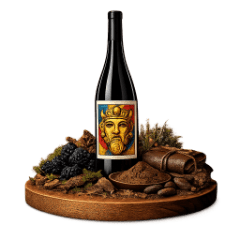
Thracian Valley Mavrud
Imagine a bodybuilder doing philosophy in a library. This wine combines raw power with unexpected depth. It is Bulgaria's pride, offering dense black fruit and a structure that commands respect without trying too hard.
Imagine a bodybuilder doing philosophy in a library. This wine combines raw power with unexpected depth. It is Bulgaria's pride, offering dense black fruit and a structure that commands respect without trying too hard.
Imagine a bodybuilder doing philosophy in a library. This wine combines raw power with unexpected depth. It is Bulgaria's pride, offering dense black fruit and a structure that commands respect without trying too hard.
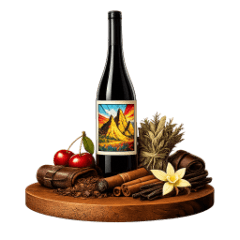
Melnik Red
If a British Prime Minister ordered 500 liters of this annually, you know it means business. It offers a brooding mix of tobacco and cherry that feels like wearing a velvet smoking jacket in a mountain cabin.
If a British Prime Minister ordered 500 liters of this annually, you know it means business. It offers a brooding mix of tobacco and cherry that feels like wearing a velvet smoking jacket in a mountain cabin.
If a British Prime Minister ordered 500 liters of this annually, you know it means business. It offers a brooding mix of tobacco and cherry that feels like wearing a velvet smoking jacket in a mountain cabin.
LATEST REVIEWS